## Plants Collection 197: A Deep Dive into Botanical Design
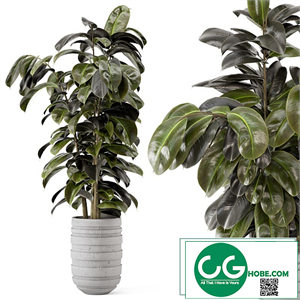
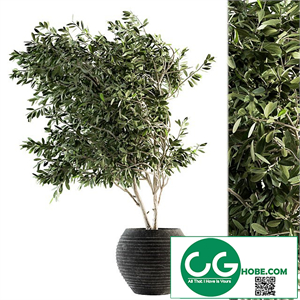
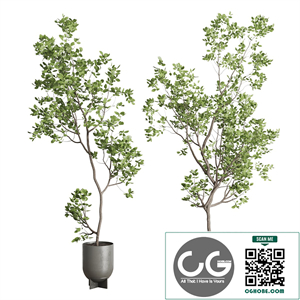
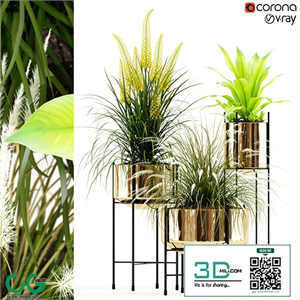
Plants Collection 197 isn't just a title; it's a gateway to a world of *botanical artistry*, a curated exploration of the *diversity and beauty* found within the plant kingdom. This collection represents a meticulous journey, a dedication to capturing the essence of specific *plant species*, their unique forms, textures, and the inherent stories they tell. We delve into the design choices, the artistic considerations, and the underlying philosophies that shaped this project, ultimately showcasing a celebration of the *natural world's artistry*.
### Part 1: The Genesis of Plants Collection 197 – Inspiration and Concept
The inspiration for Plants Collection 197 stemmed from a deep-seated fascination with the *subtle nuances* within plant life. Beyond the readily apparent beauty of a blooming flower or the majestic stature of a towering tree, lies a world of intricate detail – the delicate venation of a leaf, the fractal patterns in a fern, the subtle variations in color and texture across different species. This collection aims to highlight these often-overlooked aspects, translating them into a visually compelling and emotionally resonant experience.
The number "197" itself holds a symbolic significance, representing a *year of significant botanical discovery* (you would need to replace this with an actual year and its significance to the collection, if applicable – perhaps a specific publication or event). Alternatively, it could represent a personal milestone or a reference to a specific botanical text or artwork that inspired the collection. This number serves as a subtle nod to the historical context of botanical exploration and its continuing relevance today.
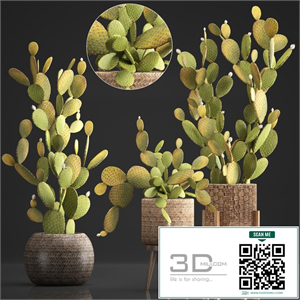
The core concept behind Plants Collection 197 is to present plants not merely as *objects of study*, but as *subjects of artistic expression*. Each piece within the collection seeks to capture a specific *mood* or *feeling* evoked by the plant's form and structure. This might involve highlighting the elegance of a *graceful orchid*, the resilience of a *desert cactus*, or the vibrant energy of a *tropical rainforest*. The goal is to create a dialogue between the *scientific accuracy* of botanical representation and the *creative freedom* of artistic interpretation.
### Part 2: The Artistic Process – Techniques and Materials
The creation of Plants Collection 197 involved a rigorous and multi-faceted artistic process. The selection of *plant species* for inclusion was carefully considered, with a focus on *diversity* in form, texture, and color. Emphasis was placed on choosing plants that represent a *wide range of botanical families*, showcasing the impressive *variability* within the plant kingdom.
Several *artistic techniques* were employed to achieve the desired aesthetic. These might include (you'll need to replace these with the actual techniques used): *detailed botanical illustration*, *watercolor painting*, *digital rendering*, *3D modeling*, or a combination of these methods. The choice of technique depended on the specific characteristics of each plant and the desired effect. The intention was to create a cohesive collection while allowing each individual piece to express its own unique personality.
The choice of *materials* was also crucial in bringing this vision to life. The use of high-quality *pigments* and *papers* was paramount to ensure the accurate portrayal of colors and textures. For digital works, the *resolution* and *detail* of the renderings were meticulously considered to achieve a level of realism that captures the *intricate beauty* of each plant. The overall aesthetic aims for a balance between *modernity* and *classic botanical art styles*, creating a collection that feels both timeless and contemporary.
### Part 3: The Plants – A Closer Look at Featured Species
This section will showcase individual plants from Plants Collection 197. Each subsection will delve into the specific *characteristics* of the plant, the *artistic choices* made in its representation, and the *story* it tells within the broader collection.
(Example – Replace with your actual plants and details):
* The *Venus Flytrap (Dionaea muscipula)*: This carnivorous plant, with its *remarkable trapping mechanism*, was rendered using a combination of *detailed pencil sketching* and *digital coloring*. The focus was on highlighting the intricate details of its *sensitive hairs* and the *jaw-like structure* of its leaves, emphasizing its unique adaptation to its environment. The *overall aesthetic* aims for both scientific accuracy and an element of dramatic tension, reflecting the plant's predatory nature.
* The *Giant Water Lily (Victoria amazonica)*: This iconic aquatic plant, with its *enormous floating leaves*, was represented using a *watercolor technique*. The emphasis was on capturing the *subtle gradations of color* and the *smooth, almost waxy texture* of its leaves. The artist aimed to evoke a sense of *serenity and grandeur*, reflecting the plant's majestic presence in its natural habitat.
(Repeat the above structure for each plant featured in the collection. Include high-quality images alongside the descriptions.)
### Part 4: Themes and Interpretations – Exploring the Deeper Meaning
Beyond the aesthetic appeal, Plants Collection 197 explores several underlying themes. One is the *interconnectedness of life* – how each plant plays a vital role within its ecosystem. The collection seeks to highlight this interconnectedness by showcasing a *diverse range of habitats* and the plants that thrive within them.
Another crucial theme is the *fragility and resilience* of nature. Some featured plants might represent species vulnerable to habitat loss or climate change. By showcasing these plants, the collection implicitly raises awareness about the importance of *conservation efforts* and the need to protect biodiversity. The beauty of these vulnerable species serves as a powerful reminder of the importance of their preservation.
Finally, the collection explores the *human relationship with the plant kingdom*. From our dependence on plants for food and medicine to our aesthetic appreciation for their beauty, the collection subtly highlights the profound impact plants have had on human civilization. The *emotional response* evoked by the individual plant representations encourages viewers to contemplate their own connection to the natural world.
### Part 5: Conclusion – Legacy and Future Directions
Plants Collection 197 is not merely a collection of botanical illustrations; it's a testament to the *power of observation*, the *beauty of detail*, and the *enduring fascination* with the natural world. Its purpose is to inspire awe, stimulate curiosity, and foster a deeper appreciation for the *rich diversity* of plant life.
The legacy of this collection lies in its ability to communicate the *importance of botanical preservation* and the continuing need for *scientific exploration* and *artistic interpretation* of the natural world. Future directions for this project could involve expanding the collection to encompass an even wider range of plant species, exploring new artistic techniques, or creating interactive experiences that further engage audiences with the wonders of the plant kingdom. The potential for continued growth and creative exploration is vast, mirroring the endless diversity and beauty of the plants themselves.