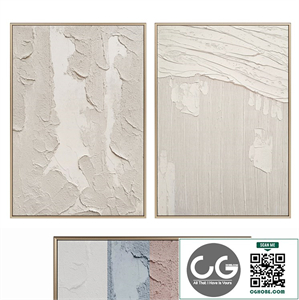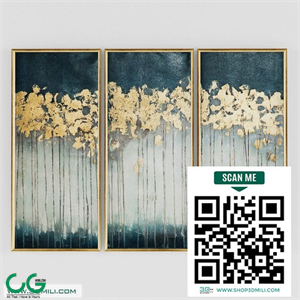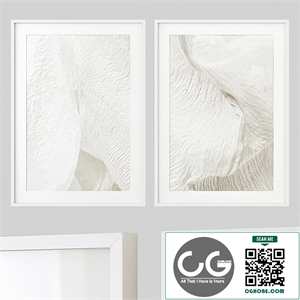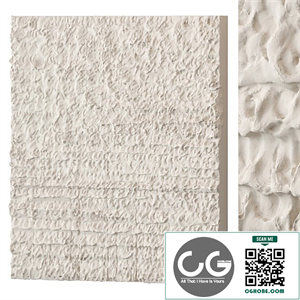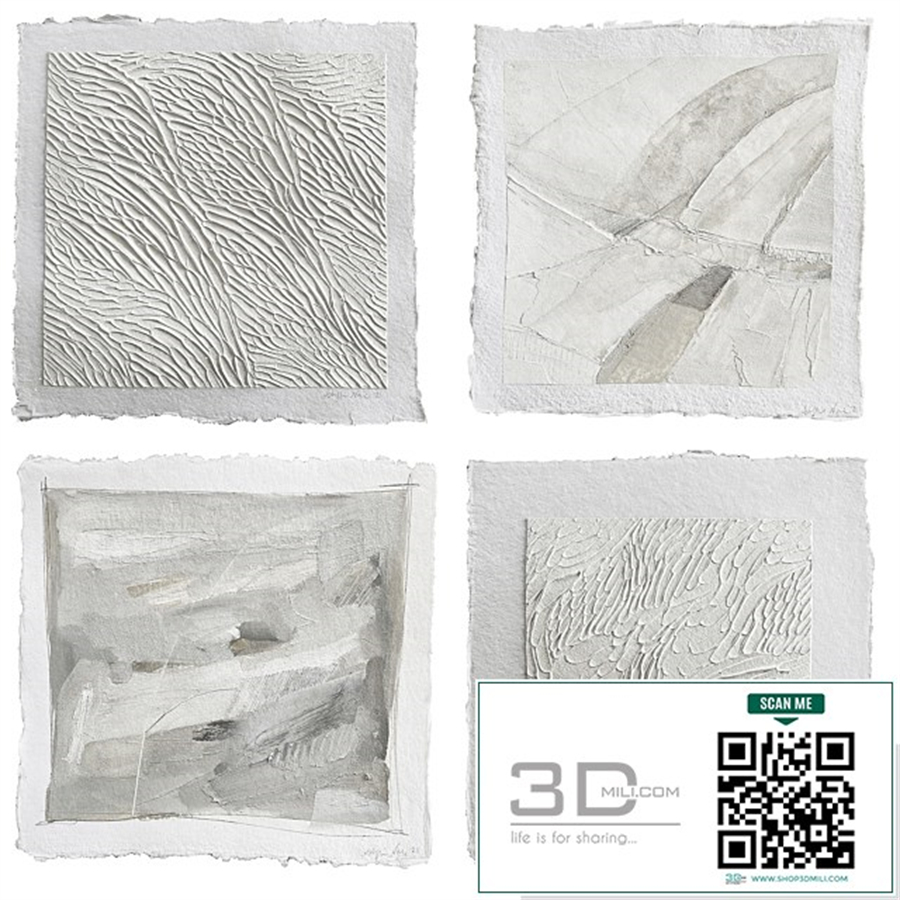
## Plaster Painting 3: Unveiling the Artistry of Three-Dimensional Texture
Plaster painting, a venerable art form stretching back millennia, transcends mere surface decoration. It's a technique that breathes *life* and *depth* into walls and surfaces, transforming them into dynamic canvases of sculpted form and vibrant color. This exploration, Plaster Painting 3, delves deeper into the captivating world of this craft, expanding on fundamental techniques and introducing more *advanced* methods for achieving stunning, three-dimensional effects.
Part 1: Foundations Reforged – Revisiting the Essentials
Before embarking on ambitious projects, it’s crucial to revisit and solidify the foundational elements of plaster painting. This isn't about repeating the basics; it's about achieving a *mastery* of the fundamentals that will allow for greater *creative freedom* and *technical precision* in later stages.
* *Surface Preparation: The Unsung Hero*: The success of any plaster painting project rests heavily on the quality of surface preparation. This involves more than just cleaning the surface. It requires a meticulous assessment of the substrate's texture, porosity, and suitability for plaster adhesion. For previously painted surfaces, thorough *cleaning* and *sanding* may be necessary to ensure proper bonding. Applying a suitable *primer* is vital to prevent the plaster from absorbing too quickly and to promote even coverage and adhesion. The choice of primer will depend on the substrate material (e.g., drywall, wood, concrete) and the type of plaster being used.
* *Plaster Selection: A Diverse Palette*: The world of plaster offers a vast array of options, each possessing unique properties that influence the final aesthetic and the application technique. Understanding these *differences* is key to successful project execution. Consider factors like:
* Type of Plaster: Lime-based plasters, gypsum plasters, and cement-based plasters each offer distinct advantages and disadvantages concerning *workability*, *durability*, and *aesthetic qualities*. Lime plasters, for example, are prized for their breathability and ability to create a naturally textured surface, while gypsum plasters offer a smoother finish and quicker setting time. Cement-based plasters provide exceptional strength and durability but require careful handling due to their rapid setting.
* Grain Size: The size of the aggregate (small particles within the plaster mix) dramatically impacts the final texture. Fine-grained plasters produce smooth surfaces, while coarse-grained plasters create more *pronounced* textures.
* Additives: Various additives can be incorporated into the plaster mix to modify its properties. These additives can enhance *workability*, *water retention*, or *strength*.
* *Tool Selection: Precision and Control*: The right tools are essential for achieving the desired results. While basic tools like trowels, spatulas, and brushes are fundamental, exploring specialized tools will open up a wider range of *textural possibilities*. This could include:
* Different Trowel Sizes and Shapes: Experimenting with different sizes and shapes allows for varying levels of control and precision.
* Texturing Tools: A variety of tools can be used to create unique textures, such as sponges, combs, textured rollers, and even household items like crumpled plastic bags or cloths.
* Modeling Tools: For more intricate designs and three-dimensional effects, modeling tools allow for precise sculpting and shaping of the plaster.
Part 2: Mastering Three-Dimensional Techniques – Beyond the Surface
Plaster Painting 3 transcends the limitations of two-dimensional painting by embracing the possibilities of three-dimensional form. This section explores advanced techniques for adding *depth* and *dimension* to your creations.
* *Sgraffito Technique: Unveiling Hidden Layers*: Sgraffito is an age-old technique involving the application of multiple layers of contrasting colored plaster. Once the plaster is partially dry, the top layer is scratched away to reveal the underlying colors, creating intricate patterns and designs. This technique allows for a high level of *detail* and *complexity*. Mastering the timing of the scratching process is crucial to achieve the desired effects. Experimenting with different tools for scratching—from sharp points to broader implements—will expand the stylistic possibilities.
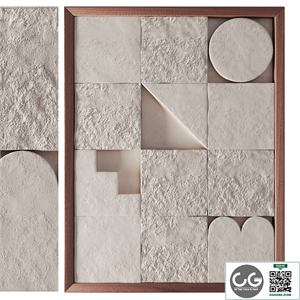
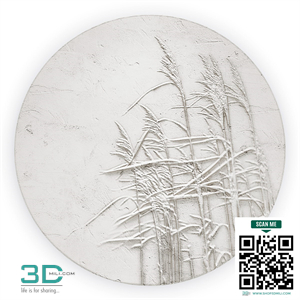
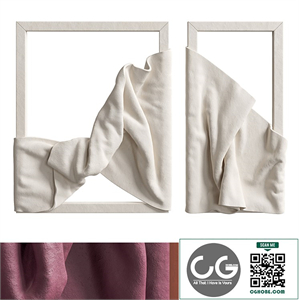
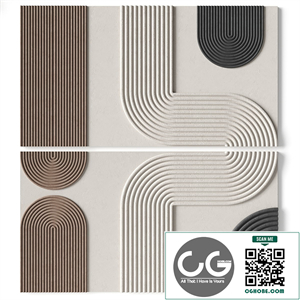
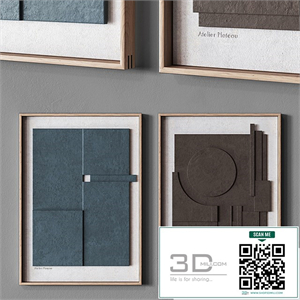
* *Relief Sculpture: Building with Plaster*: This technique involves building up three-dimensional forms directly onto the surface. This can be achieved by applying layers of plaster, sculpting with modeling tools, or incorporating pre-made forms. This approach allows for greater *creative freedom* and allows the creation of truly *unique* and *dramatic* effects. Consider incorporating other materials like wood, metal, or fabric to further enhance the sculptural elements.
* *Mold Making and Casting: Reproducing Forms*: For projects requiring repetitive elements or intricate designs, mold making and casting offer a time-saving and efficient solution. Silicone molds are particularly versatile and allow for the creation of precise and detailed plaster castings. This technique opens up a world of possibilities for *complex* designs and *large-scale* projects.
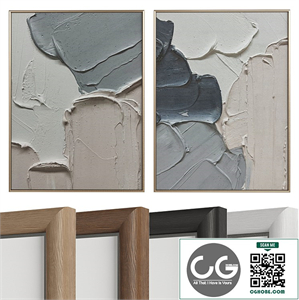
* *Layering and Texturing: Building Complex Surfaces*: The beauty of plaster lies in its ability to be layered and textured. Experiment with combining different techniques, such as applying a base layer of textured plaster, followed by a smoother layer of a contrasting color, and then adding highlights or details with sgraffito or other texturing methods. This creates depth and visual interest, capturing light and shadow in *intriguing* ways.
Part 3: Color and Finish – Enhancing the Artistic Expression
The final stages of plaster painting involve enhancing the aesthetic qualities of your work through the skillful application of color and finishes.
* *Color Application Techniques*: Consider experimenting with different color application methods:
* Mixing Pigments Directly into the Plaster: This is a traditional approach that results in a naturally integrated color.
* Applying Color Wash: Applying a diluted color wash over the dry plaster creates a subtle and nuanced effect.
* Dry Brushing: Dry brushing with a contrasting color highlights the textures and creates a sense of depth.
* *Protective Finishes: Ensuring Longevity*: Once the plaster is completely dry, a protective finish is vital to ensure its longevity and resistance to damage. Consider factors like:
* Type of Finish: Various finishes are available, ranging from matte to glossy, each influencing the final aesthetic.
* Durability: Choose a finish that provides adequate protection against moisture and abrasion.
* *Integration with Other Media*: Plaster painting doesn’t need to exist in isolation. Consider integrating it with other media, such as *mixed media painting*, *collage*, or *stencils*. This fusion can create truly unique and striking artistic expressions.
Part 4: Inspiration and Exploration – Unleashing Your Creative Potential
This final section encourages you to venture beyond the technical aspects and embrace the creative potential of plaster painting.
* *Exploring Different Styles and Aesthetics*: Draw inspiration from various art movements and styles. Experiment with minimalist designs, bold geometric patterns, or organic forms. The possibilities are truly limitless.
* *Project Ideas and Applications*: Consider applying your skills to various projects:
* Interior Wall Decor: Transform your walls into breathtaking works of art.
* Sculptural Elements: Create unique sculptures and decorative pieces.
* Architectural Details: Enhance architectural elements with decorative plasterwork.
* Outdoor Installations: Explore the possibilities of weather-resistant plasters for outdoor applications (with appropriate protective finishes).
* *Continuing Your Learning Journey*: Plaster painting is a skill that develops and grows with experience. Embrace the learning process and continue exploring new techniques and materials.
Plaster Painting 3 isn't merely a guide; it's an invitation to embark on a journey of artistic expression. By mastering the fundamentals and exploring the diverse techniques presented here, you will unlock the incredible potential of this versatile and rewarding medium. Remember that experimentation and practice are key to achieving *mastery* and developing your *unique* artistic voice. The world of three-dimensional plaster painting awaits your creative touch.