## The Humble Majesty of the Prayer Carpet: A Deep Dive into Design, Tradition, and Significance
The prayer carpet, often referred to as a *sajjada* (سجادة) in Arabic, is far more than a simple rug. It's a deeply symbolic object, a sacred space, and a testament to the artistry and devotion of countless cultures across centuries. This exploration delves into the intricate world of prayer carpet design, examining its historical evolution, the symbolism woven into its patterns, and its enduring importance in Muslim life and beyond.
### Part 1: A Tapestry of History and Tradition
The precise origins of the prayer carpet are shrouded in some mystery, but its development is intricately linked to the expansion of Islam. While early Muslims initially prayed on natural surfaces like earth or stone, the need for a designated, clean, and portable space for prayer led to the creation of simple rugs. Over time, these evolved into richly decorated works of art, reflecting the diverse artistic styles and cultural influences encountered along the trade routes of the Islamic world.
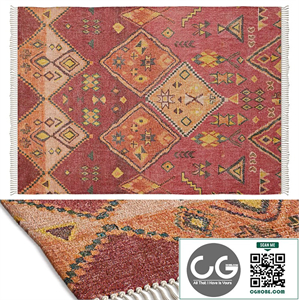
The *earliest examples* often featured simple geometric patterns, reflecting the Islamic prohibition against figurative representation in religious art. This *geometric abstraction*, however, became a fertile ground for innovation. Artists masterfully used *repeating motifs* like *arabesques*, *geometric lattices*, and stylized *floral designs* to create complex and visually stunning compositions. These were not mere decorations; they were a language of faith, each element imbued with *symbolic meaning*.
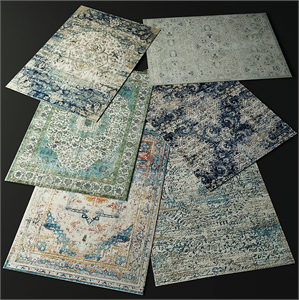
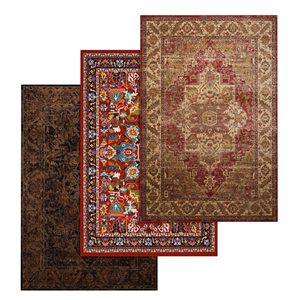
*Persian prayer carpets*, specifically those originating from the cities of *Kashan*, *Tabriz*, and *Isfahan*, are widely considered the pinnacle of this art form. These *masterpieces* showcase a sophisticated understanding of color theory, composition, and textile techniques. The *knotting techniques* alone, such as the *Persian knot* and the *Turkish knot*, are testaments to the skill and dedication of the artisans involved. Each carpet became a unique testament to the weaver's faith and artistry, often passed down through generations as prized family heirlooms.
Beyond Persia, other regions contributed their distinct styles. *Turkish prayer carpets*, for example, often featured bolder colors and simpler designs compared to their Persian counterparts. *Indian prayer carpets*, influenced by Mughal artistry, sometimes incorporated more figurative elements, although often subtly integrated within the overall geometric framework. The *diversity* of these regional styles underscores the rich tapestry of Islamic culture and its global reach. Each carpet tells a story, not just of its creation, but of the cultural heritage from which it sprang.
### Part 2: Symbolism and Iconography in Prayer Carpet Design
The designs on prayer carpets are not arbitrary; they are meticulously planned and rich in symbolism. While the *avoidance of figurative representation* remains a key principle, the patterns themselves speak volumes about faith, devotion, and the cosmos.
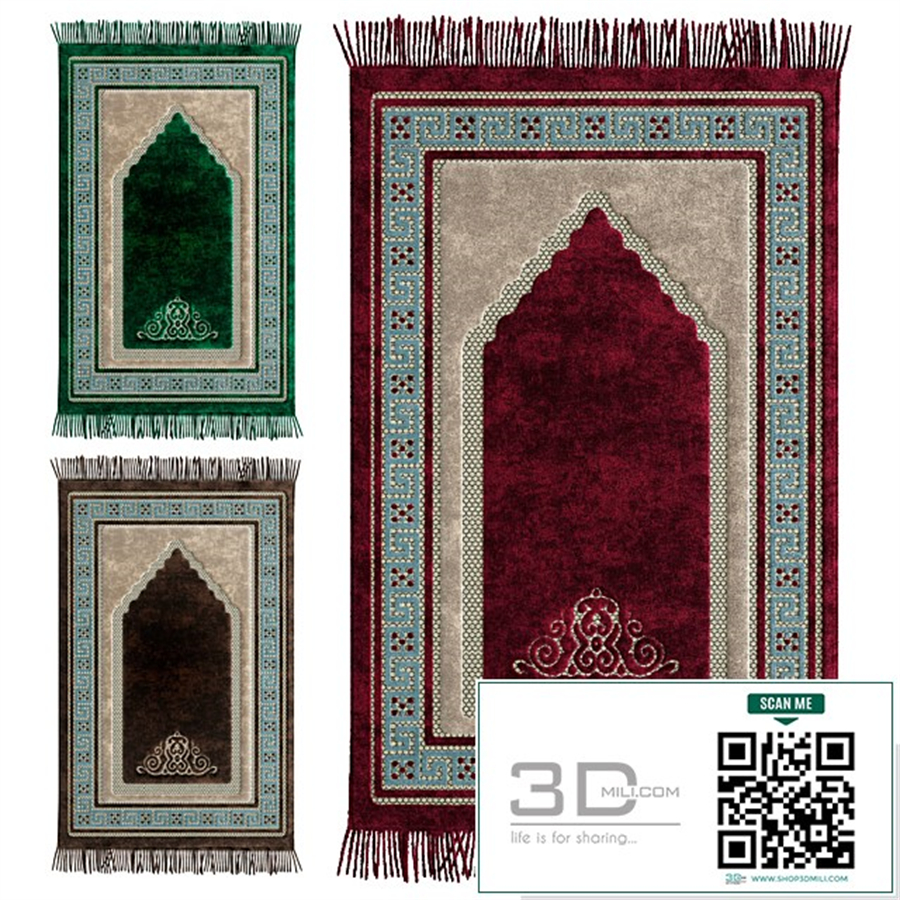
One of the most prominent motifs is the *mihrab*, a semi-circular niche found in mosques that indicates the direction of Mecca (the *qibla*). This architectural feature is often represented symbolically on the prayer carpet as a pointed arch, often placed at the top of the carpet, indicating the direction the worshipper should face during prayer. This is a crucial element, ensuring the carpet acts as a practical and spiritual guide.
The use of *geometric patterns* is not simply decorative. They often represent the *infinite nature of God*, the interconnectedness of creation, and the repetitive cycles of life and death. *Medallions* within the design can symbolize paradise or the divine presence. The use of *specific colors* also holds significance; *blue* can represent the heavens, *green* paradise, and *red* passion or sacrifice. The subtle interplay of these colors creates a powerful visual experience, enhancing the spiritual atmosphere of prayer.
*Calligraphy*, although not always present, is another powerful symbolic element. When included, it often consists of verses from the Quran, *supplications*, or the names of God, elevating the prayer carpet from a decorative object to a sacred text itself. The choice of script and the positioning of the calligraphy within the design all contribute to its overall meaning and aesthetic impact.
The *overall composition* of a prayer carpet, even down to the *fringes* and *borders*, contributes to its symbolic value. The careful arrangement of elements and the skillful execution of the design highlight the devotion and reverence with which the carpet was created. Even the choice of *materials* – the type of wool, the dyes used, and the quality of craftsmanship – are all reflective of the value placed on the object and the reverence for the act of prayer.
### Part 3: The Prayer Carpet in Contemporary Context
While deeply rooted in tradition, the prayer carpet continues to evolve and adapt to contemporary sensibilities. Modern artists and designers are reimagining the traditional forms, experimenting with new materials, techniques, and designs while still retaining the core essence of this sacred object.
The introduction of *new materials*, like silk or synthetic fibers, allows for a wider range of colors and textures. *Contemporary artists* are using the prayer carpet as a canvas to explore new forms of artistic expression, blending traditional motifs with modern aesthetics. The use of *digital design techniques* has also opened up exciting possibilities for creating unique and personalized prayer carpets.
Despite these changes, the *spiritual significance* of the prayer carpet remains central. For Muslims, it continues to be a cherished object, providing a dedicated and sacred space for prayer wherever they may be. Its use transcends geographical boundaries, uniting Muslims across the globe in a shared act of worship.
Furthermore, the prayer carpet’s aesthetic appeal has transcended its religious context. Its intricate designs, vibrant colors, and high-quality craftsmanship are appreciated by collectors and art enthusiasts worldwide. The prayer carpet, therefore, holds a significant place not only within Islamic culture but also within the broader world of art and design.
### Conclusion: A Legacy of Faith and Art
The prayer carpet is a powerful symbol – a testament to human creativity, devotion, and cultural heritage. Its history reflects centuries of artistic innovation and spiritual practice, weaving together threads of faith, art, and tradition. From its humble beginnings to its contemporary interpretations, the prayer carpet continues to serve as a poignant reminder of the enduring power of faith and the beauty of human expression. Its designs, rich in symbolism, communicate a deep connection to the divine, and its very existence is a testament to the enduring artistry and spirituality of countless generations. The prayer carpet is more than just a floor covering; it’s a sacred space, a work of art, and a tangible link to a rich and multifaceted heritage.