## The Endearing Enigma: Exploring the Design Language of the Rabbit
The humble rabbit. A creature often associated with *innocence*, *fertility*, and *speed*, yet also capable of embodying *mystery*, *cunning*, and even *ferocity*. This duality makes the rabbit a surprisingly rich source of inspiration for design, offering a vast spectrum of aesthetic possibilities and symbolic interpretations. This exploration delves into the multifaceted design language of the rabbit, examining its application across various creative disciplines and considering the subtle nuances that shape its visual impact.
### Part 1: The Rabbit in Symbolism and Mythology
The rabbit's symbolic significance varies widely across cultures and historical periods. In some traditions, the *rabbit* is a powerful *symbol of lunar energy*, often associated with the moon and its cyclical nature. Think of the Easter Bunny, a quintessential emblem of *spring*, *renewal*, and *fertility*. Its association with Easter ties into ancient pagan celebrations of spring and the rebirth of nature. This *fertility* symbol is particularly strong, given the rabbit's prolific breeding habits.
However, the rabbit's symbolism isn't always so idyllic. In certain cultures, the rabbit represents *trickery*, *deceit*, or even *fear*. Its nocturnal habits and elusive nature contribute to this more ambiguous interpretation. In some indigenous mythologies, the *rabbit* plays a significant role in creation myths or acts as a *guide* or *messenger* in the spirit world. Understanding these contrasting interpretations is crucial to appreciating the full complexity of rabbit-inspired design. The *design choices* made – colors, textures, posture – can dramatically shift the message conveyed. A *cartoonish rabbit* might evoke *childlike wonder*, while a *realistic depiction* might highlight its *wildness* or *fragility*.
### Part 2: Rabbit in Visual Arts and Graphic Design
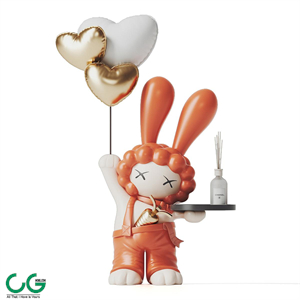
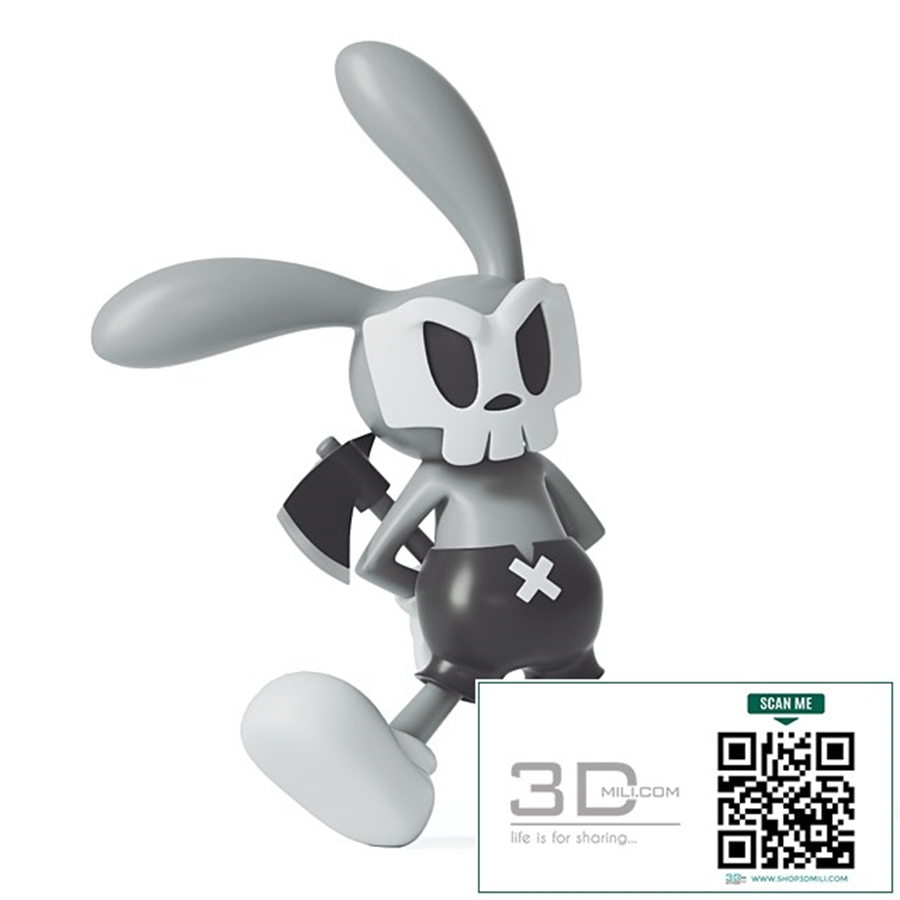
The *rabbit's visual characteristics* – long ears, twitching nose, fluffy tail – provide designers with a wealth of visual elements to work with. In illustration, the *rabbit* can be rendered in countless styles, from the minimalist simplicity of a line drawing to the intricate detail of a photorealistic painting. *Cartoon rabbits*, like Bugs Bunny or Peter Rabbit, have become iconic figures in popular culture, representing archetypes of *rebellion*, *cleverness*, or *innocence*. Their *design* has been meticulously crafted to elicit specific emotional responses from the audience. The use of *exaggerated features*, *bright colors*, and *dynamic poses* contributes to their immediate recognizability and enduring appeal.
In graphic design, the rabbit's image can be used to convey a variety of messages. A *stylized rabbit* might be incorporated into a logo to represent *speed*, *agility*, or *luck*. The use of a *rabbit silhouette* can suggest *mystery* or *secrecy*. Consider the various applications of the *rabbit motif*: children's books, clothing brands, eco-conscious products – the *rabbit's versatility* as a design element makes it particularly adaptable. The design's effectiveness hinges on the careful consideration of the *context* and *intended audience*.
### Part 3: The Rabbit in Product Design and Architecture
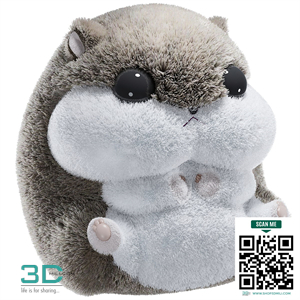
The *rabbit's form* inspires product design in subtle and overt ways. Think of the sleek, aerodynamic lines of some *sports cars*, evoking the rabbit's *speed* and *grace*. Products intended for children often incorporate *rabbit motifs*, using the *rabbit's inherent cuteness* to appeal to their target demographic. The *rabbit's gentle nature* might be reflected in the design of soft toys or cuddly blankets. Even in architecture, the *rabbit's burrow* can be a source of inspiration, shaping the design of spaces intended for rest and relaxation. The *organic forms* of a burrow, with its winding tunnels and hidden chambers, might find echoes in modern architectural designs promoting a sense of *shelter* and *security*.
Furthermore, the *rabbit's adaptability* is also reflected in design. Rabbits are known to thrive in diverse environments. This concept might be reflected in a product designed for *versatility* or *adaptability* to various conditions. The *rabbit's resilience* – its ability to survive and reproduce in challenging situations – could become a theme in design, inspiring robust and durable products.
### Part 4: The Future of Rabbit-Inspired Design
The *rabbit* as a design motif is far from exhausted. Its enduring appeal stems from its multifaceted symbolism and visual versatility. As designers continue to explore new techniques and technologies, we can expect to see even more innovative and creative uses of the *rabbit* in design. The integration of digital tools allows for complex and detailed renderings of the *rabbit*, pushing the boundaries of realism and stylization. We may see *augmented reality* experiences incorporating *virtual rabbits*, blurring the lines between the physical and digital worlds.
The *rabbit's ongoing relevance* in popular culture ensures that its use in design will continue to resonate with audiences. As we become more aware of environmental concerns, the *rabbit's ecological role* might inspire designs focused on sustainability and conservation. The rabbit's image might even be used to promote messages about animal welfare and biodiversity. The evolution of the *rabbit in design* is a testament to its enduring charm and the boundless creativity of human expression. The *rabbit*, a seemingly simple creature, becomes a powerful symbol in the hands of a skilled designer. It continues to inspire, challenge, and captivate, proving its timeless appeal in the ever-evolving landscape of design.