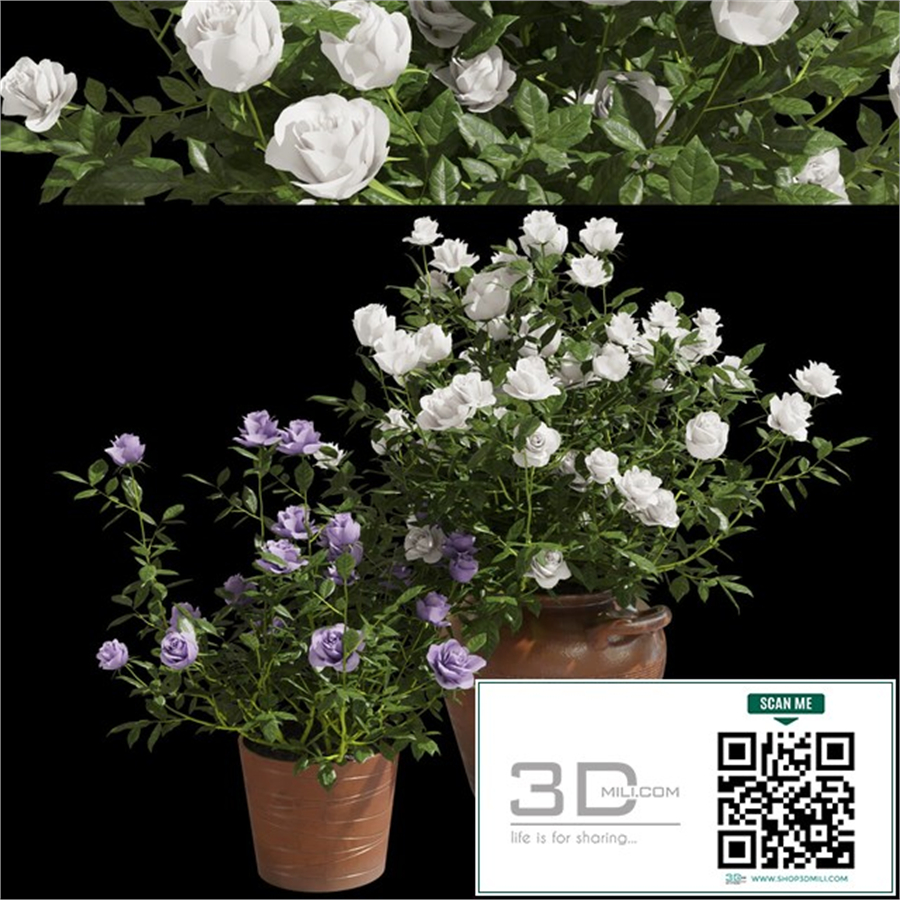
## The Allure of Roses: A Deep Dive into the Design of a Rose Set
This exploration delves into the multifaceted design considerations behind a *rose set*, a concept that transcends mere decoration and delves into the realms of symbolism, artistry, and practical application. Whether it's a collection of *rose-themed tableware*, a *set of rose-scented bath products*, or a *curated collection of rose-inspired artwork*, the underlying design principles remain consistent in their pursuit of capturing the essence and beauty of the rose. This analysis will unpack the key elements that contribute to a successful rose set, examining the creative process from concept to completion.
Part 1: Conceptualizing the Rose Set: Theme, Target Audience, and Functionality
The genesis of any successful design lies in its *conceptualization*. A *rose set* is not a monolithic entity; its form and function are intrinsically linked to its intended purpose and target audience. Before a single sketch is drawn, several crucial questions must be addressed:
* Defining the Theme: What aspect of the rose is being emphasized? Is it the *romanticism* associated with the flower? The *fragrance*? The *varietal diversity*? The *historical significance*? A *vintage rose theme* will evoke a different aesthetic than a *modern, minimalist rose design*. Clarity in the theme is paramount to maintaining coherence throughout the design process. *Elegance*, *rustic charm*, *bold modernity* – the chosen aesthetic drastically influences subsequent design choices.
* Identifying the Target Audience: Who is the *rose set* intended for? A *rose set for a young adult* will differ significantly from one designed for *a sophisticated older clientele*. Considerations like *price point*, *material choices*, and *overall style* are all dictated by the target audience. Are we designing for a *mass market* or a *niche market*? This question dictates the scale and approach of the project.
* Establishing Functionality: What is the *primary function* of the rose set? Is it purely decorative, or does it serve a practical purpose? A *rose-themed tea set* has a clear functional purpose, unlike a *decorative rose-patterned wall hanging*. Understanding the intended functionality guides decisions about *material selection*, *durability*, and *ergonomics*. For example, a *rose-patterned mug* must be comfortable to hold and easy to clean, while a *rose-shaped candle* needs to burn evenly and safely.
Part 2: Visual Language: Color Palette, Pattern, and Form
Once the conceptual framework is established, the focus shifts to the *visual language* of the *rose set*. This involves careful consideration of color palettes, patterns, and the overall form.
* Color Palette: The *color palette* plays a crucial role in evoking specific emotions and moods. A *palette of deep reds and burgundies* conveys passion and romance, while *pale pinks and creams* evoke gentleness and serenity. The *use of contrasting colors* can create visual interest, while a *monochromatic palette* can lend a sense of sophistication. Careful consideration must be given to *color harmony* and *color psychology* to achieve the desired effect. *Subtle gradients* or *vibrant contrasts* can greatly impact the final aesthetic.
* Pattern and Texture: The *rose pattern* itself can range from *realistic depictions* to *stylized interpretations*. A *photorealistic rose print* might be suitable for fine china, while a *geometric rose pattern* could be incorporated into a modern textile design. The *texture* of the materials also plays a crucial role; a *smooth, glossy surface* conveys elegance, while a *rough, rustic texture* imparts a sense of handcrafted charm. *Embroidery*, *etching*, *printing*, or *relief carving* all contribute to the final textural expression.
* Form and Shape: The *form and shape* of the *rose set's components* are critical in conveying its overall aesthetic. The *shape of a vase*, the *curvature of a teacup*, the *contours of a soap dish*—all these contribute to the overall design. *Organic shapes* inspired by the natural form of the rose can create a sense of fluidity, while *geometric shapes* can lend a sense of order and precision. *Symmetry and asymmetry* should be carefully considered to achieve visual balance.
Part 3: Material Selection and Production Techniques
The *material selection* is crucial in determining the *rose set*'s quality, durability, and overall aesthetic. The chosen materials must align with both the *functional requirements* and the *desired aesthetic*.
* Material Options: The *range of materials* is vast. For tableware, *fine china*, *porcelain*, *stoneware*, or *glass* are common choices. For bath products, *natural ingredients*, *essential oils*, and *sustainable packaging* are important considerations. For artwork, *canvas*, *paper*, *metal*, or *wood* are possibilities. The *choice of material* directly impacts the *price point*, the *durability*, and the *overall feel* of the set.
* Production Techniques: The *production technique* determines how the *rose design* is applied to the materials. This could involve *hand-painting*, *screen printing*, *digital printing*, *embroidery*, *casting*, or *3D printing*. Each technique offers a different level of *detail*, *precision*, and *cost-effectiveness*. The selection of the *production technique* is closely tied to the desired level of *craftsmanship* and the *target market*. *Mass production* techniques differ vastly from *hand-crafted, bespoke items*.
Part 4: Branding and Packaging: The Final Touch
The *branding* and *packaging* of the *rose set* are essential in creating a cohesive and memorable experience for the consumer. These final touches complete the design and convey the *overall brand identity*.
* Branding Identity: The *brand identity* should be clearly communicated through the *design's aesthetic*, *packaging*, and any *accompanying marketing materials*. The *rose set* should reflect the *brand's values* and *target audience*. A *luxury brand* will require a different approach than a *budget-friendly brand*.
* Packaging Design: The *packaging* should not only protect the *rose set* but also enhance its *overall presentation*. A well-designed *package* can elevate the *perception of value* and create an *unboxing experience* that delights the consumer. *Sustainable packaging options* are increasingly important for environmentally conscious consumers. *Color schemes*, *typography*, and *overall aesthetic* of the packaging should align with the *rose set's design*.
Conclusion:
The design of a *rose set* is a multifaceted process that requires careful consideration of numerous factors, from the initial *conceptualization* and *theme selection* to the final *branding* and *packaging*. Through meticulous attention to *detail*, a thoughtful approach to *material selection*, and a clear understanding of the *target audience*, a successful *rose set* can capture the timeless beauty and enduring symbolism of the rose, creating a product that is both aesthetically pleasing and functionally effective. Each element, from *color palettes* to *production techniques*, contributes to the overall narrative and experience, transforming a simple collection of items into a cohesive and memorable whole. The careful blending of art, function, and market understanding is what truly elevates a *rose set* from a mere product to a cherished possession.