## Unveiling the Essence: A Multifaceted Exploration of Sculpture
Sculpture, in its myriad forms, stands as a testament to humanity's enduring capacity for creative expression and *material manipulation*. From the colossal grandeur of ancient statues to the intricate detail of modern-day installations, sculpture transcends mere aesthetics; it engages with history, culture, and the very nature of our existence. This exploration delves into the multifaceted world of sculpture, examining its evolution, its diverse techniques, and its enduring power to move and inspire.
Part 1: The Genesis of Form – Early Sculpture and its Cultural Significance
The earliest forms of sculpture emerged from the primal urge to represent and commemorate. *Prehistoric* carvings, often found in caves and rock shelters, demonstrate a rudimentary but powerful ability to capture the essence of animals and human figures. These early works, crafted from *stone*, *bone*, and *wood*, were not simply decorative; they served ritualistic, spiritual, and possibly even narrative purposes. Consider, for instance, the *Venus figurines* of the Paleolithic era, whose rounded forms and exaggerated features speak to a deep connection with fertility and the natural world. Their simplistic yet evocative forms laid the groundwork for the development of more sophisticated sculptural traditions.
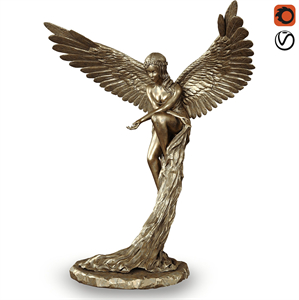
The development of *metallurgy*, particularly the ability to work with *bronze* and later *iron*, revolutionized sculpture. The transition to these materials allowed for greater detail, a wider range of poses, and the creation of larger-scale works. Ancient civilizations like the *Egyptians* and the *Greeks* mastered these techniques, producing iconic statues that still resonate with viewers today. Egyptian sculpture, characterized by its *rigid formality* and emphasis on *symbolic representation*, served primarily religious functions. The pharaohs, gods, and goddesses were immortalized in monumental statues, their poses and attire conveying their power and divinity. The *ka*, the life force of the individual, was believed to reside within the sculpture, making it a vital component of the afterlife.
Part 2: The Classical Ideal and Beyond – Greek and Roman Influences
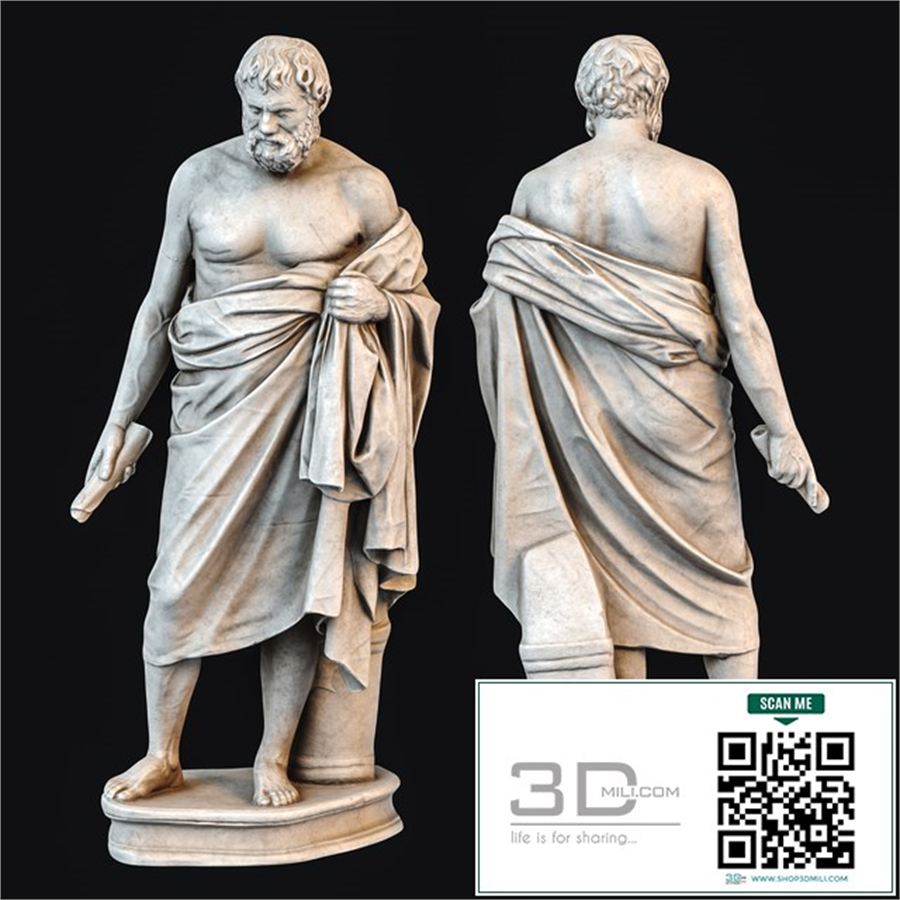
Greek sculpture marked a pivotal shift towards *naturalism* and *idealism*. The *Classical* period (5th-4th centuries BCE) witnessed the development of a canon of proportions and an emphasis on capturing the *human form* in its idealized beauty. Sculptors like *Phidias* and *Praxiteles* achieved remarkable realism, conveying movement, emotion, and individual character within their works. The *contrapposto* stance, a subtle shift in weight that creates a sense of natural balance, became a hallmark of Greek sculpture.
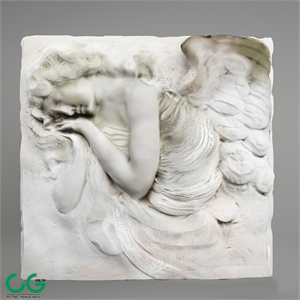
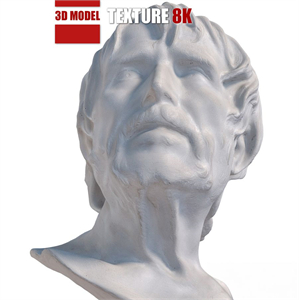
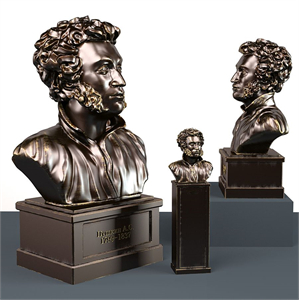
The Romans, inheriting and adapting Greek artistic traditions, also made significant contributions to the art of sculpture. Roman sculptors excelled in *portraiture*, creating lifelike busts and statues that captured the individual's likeness with astonishing accuracy. They also developed *relief sculpture*, often used to adorn arches, columns, and sarcophagi, narrating historical events and mythological stories. The *Augustan* period, in particular, saw a flourishing of imperial portraiture, reflecting the power and authority of the Roman emperors. The transition from the idealized forms of Greek sculpture to the more realistic and individualized representations of the Roman period illustrates a broader shift in artistic values and social priorities.
Part 3: Medieval and Renaissance Transformations – Religious Devotion and Humanism
The *Medieval* period saw a resurgence of religious themes in sculpture. *Gothic* cathedrals were adorned with intricate carvings, depicting biblical scenes, saints, and mythical creatures. The emphasis shifted from idealized human forms to expressive and often symbolic representations. *Wood* carving became a dominant technique, allowing for complex detailing and intricate ornamentation. The *romanesque* style, with its emphasis on solid forms and monumental scale, gave way to the more delicate and flowing lines of Gothic sculpture.
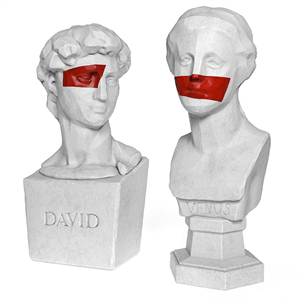
The *Renaissance*, a period of intellectual and artistic rebirth, marked a return to classical ideals, but with a renewed focus on *humanism*. Renaissance sculptors, inspired by the rediscovery of classical art, sought to recreate the naturalism and beauty of the ancient world, while also exploring new techniques and incorporating contemporary themes. Artists like *Donatello*, *Michelangelo*, and *Bernini* pushed the boundaries of sculpture, creating masterpieces that captivated audiences with their emotional depth and technical brilliance. Michelangelo's *David*, a powerful symbol of human potential, exemplifies the Renaissance ideal of *humanistic* achievement. Bernini's dynamic and theatrical sculptures, characterized by their *baroque* style, further emphasized movement and emotional expression.
Part 4: Modern and Contemporary Directions – Challenging Conventions and Expanding Boundaries
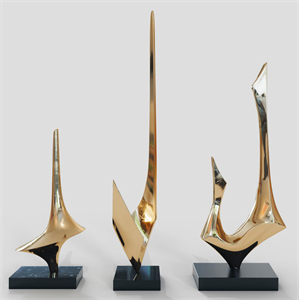
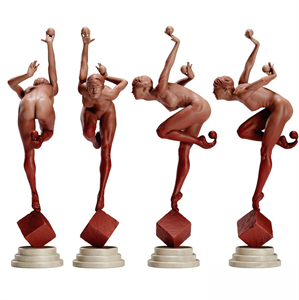
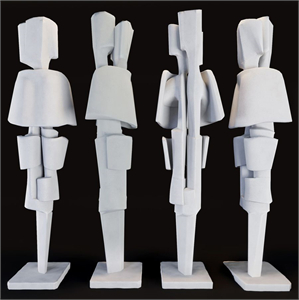
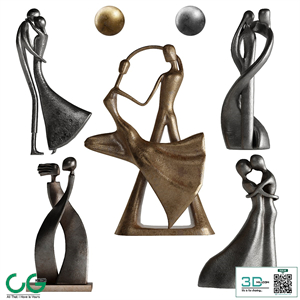
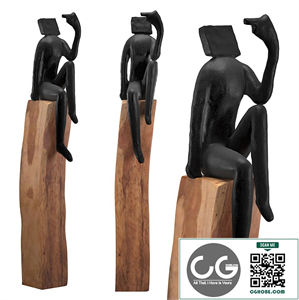
The 19th and 20th centuries witnessed a radical re-evaluation of sculptural traditions. *Modernist* sculptors challenged the established conventions of representation and embraced new materials and techniques. *Auguste Rodin*, with his emphasis on capturing the *human body* in motion and emotion, ushered in a new era of expressive realism. *Cubism*, *Surrealism*, and *Abstract Expressionism* profoundly influenced sculptural practice, leading to works that were increasingly abstract and non-representational. Sculptors began to explore new *materials*, including *metal*, *plastic*, and *found objects*, expanding the possibilities of the medium.
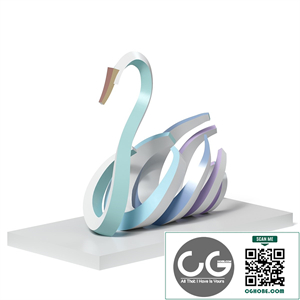
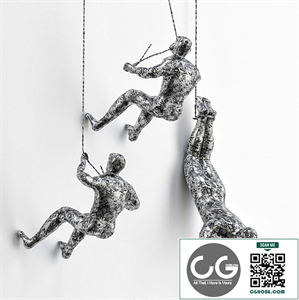
Contemporary sculpture continues to push boundaries, incorporating diverse materials, technologies, and conceptual approaches. *Installation art* often blurs the line between sculpture and environment, engaging the viewer in a more immersive and interactive experience. Artists are exploring themes of *identity*, *social justice*, and *environmental concerns*, creating works that reflect the complexities of the modern world. The use of *digital technologies* has also opened up new possibilities for creating and exhibiting sculpture, leading to innovative and often unexpected results. The *kinetic* sculpture, moving parts in response to their environment, is just one example of this creative evolution.
Part 5: The Enduring Power of Sculpture – Reflection and Interpretation
Throughout its long and complex history, sculpture has served as a powerful tool for communication, commemoration, and self-expression. It allows artists to explore a wide range of themes and ideas, engaging viewers on emotional, intellectual, and spiritual levels. The *interpretation* of a sculpture is inherently subjective, shaped by individual experiences, cultural perspectives, and historical context. What one viewer perceives as a symbol of power, another may interpret as a representation of vulnerability. This inherent ambiguity is part of what makes sculpture so endlessly fascinating. It's a testament to the *enduring power* of artistic expression to transcend the boundaries of language and culture, provoking thought, sparking dialogue, and enriching our understanding of ourselves and the world around us. The continuing evolution of sculptural forms and concepts ensures its continued relevance and importance in the ever-changing landscape of art.