## The Laocoön Torso: A Fragmentary Masterpiece
The *Laocoön and His Sons*, a celebrated Hellenistic sculpture depicting the tragic priest Laocoön and his sons entangled by sea serpents, is renowned for its powerful depiction of suffering and the dramatic dynamism of its composition. While the complete group is iconic, a lesser-known but equally compelling aspect of this artistic achievement is the *Laocoön torso*, a fragment which, despite its incompleteness, offers profound insights into the artistry of its creators and the enduring power of Hellenistic sculpture. This essay will explore the *Laocoön torso*, examining its historical context, artistic merit, and lasting influence on the history of art.
Part 1: Unearthing the Fragment: Historical Context and Discovery
The discovery of the *Laocoön group* itself is shrouded in a degree of legendary status. Unearthed in 1506 during excavations near the Baths of Titus in Rome, its rediscovery was a sensation, instantly capturing the attention of Pope Julius II and leading figures of the Renaissance. The sculpture, remarkably preserved despite its age, was immediately recognised as a masterpiece of ancient Greek art, though debates continue to this day regarding its precise date of creation and the identity of its creators. While attributed to *Agesander*, *Polydorus*, and *Athenodorus of Rhodes*, some scholars question the validity of this attribution, leaving the precise authorship shrouded in mystery.
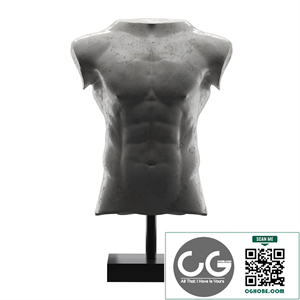
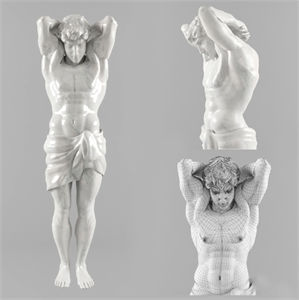
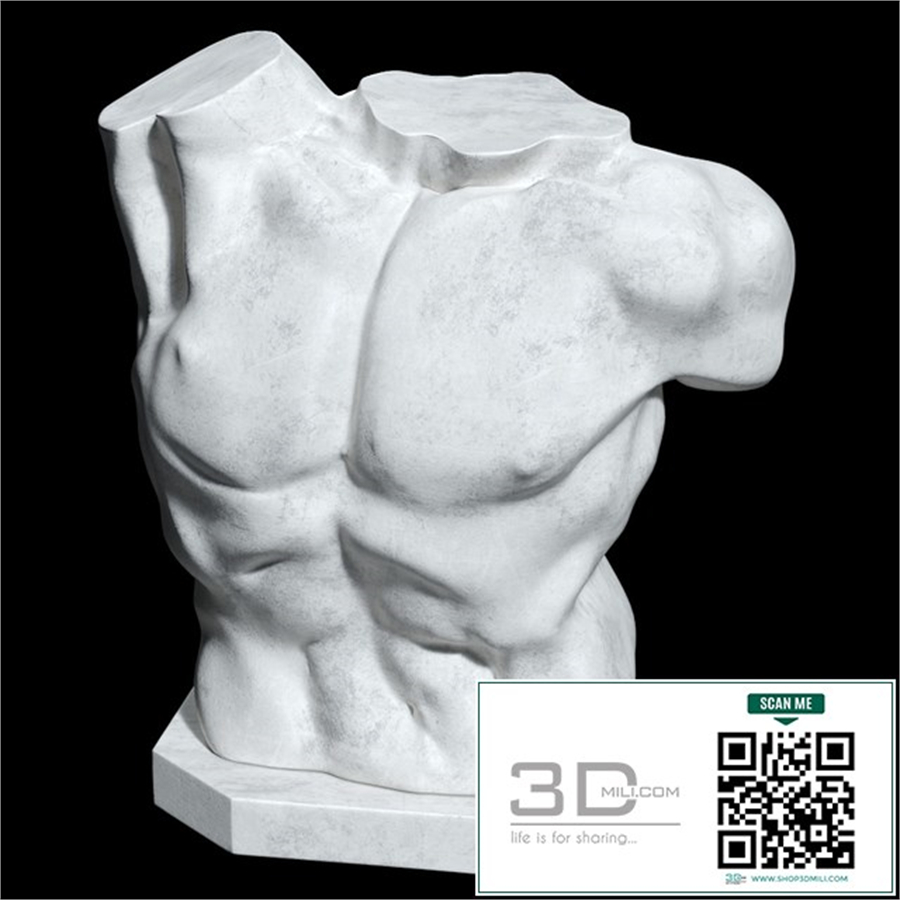
The *Laocoön torso*, the focus of this exploration, represents a significant portion of the complete group. While the arms and legs of the figures are missing, leaving only the upper bodies, the remaining fragment is substantial enough to allow for a detailed study of the artists' skill in depicting human anatomy, emotional expression, and the dynamic interplay of form and movement. The torso's discovery alongside the rest of the group emphasizes its integral role within the larger narrative, highlighting the impact of fragmentation on our understanding and appreciation of ancient art. The missing limbs, while altering the overall presentation, do not diminish the power of the remaining torso, instead drawing attention to the artist's skill in capturing *intense emotional expression* even within a truncated form.
Part 2: Anatomical Precision and Emotional Intensity: Artistic Merit
The *Laocoön torso* is a testament to the exceptional anatomical knowledge of its creators. The *muscular definition* in the remaining torso is rendered with remarkable accuracy and realism, capturing the *strained exertion* and *agonized contortion* of the figure's body. The artist's mastery of *human anatomy* is vividly apparent in the way the muscles tense and ripple, conveying a sense of both physical and emotional strain. The *serpentine coils*, even though incomplete, still radiate an immense power which adds to the visceral impact of the torso. One can imagine the full movement and suffering from just the fragment alone.
Beyond the anatomical accuracy, the *Laocoön torso's* artistic success lies in its ability to convey *intense emotion*. The face, while fragmented, retains the imprint of *extreme suffering*, and the contorted body speaks volumes of agony. This *emotional power*, the palpable agony frozen in marble, resonates deeply with the viewer, transcending the boundaries of time and culture. This *emotional realism*, unique to Hellenistic art, places the Laocoön Torso beyond a mere anatomical study and into a realm of profound artistic expression.
Part 3: The Influence of Fragmentation: A New Perspective
The incompleteness of the *Laocoön torso* might be considered a limitation, but it also presents an opportunity to study the impact of *fragmentation on artistic interpretation*. The missing limbs invite viewers to actively participate in the reconstruction of the narrative, filling in the gaps with their imagination and prompting a deeper engagement with the sculpture's emotional resonance. The *absence* becomes a powerful presence, adding a layer of ambiguity that enhances the emotional intensity. This fragmentary nature highlights the *interpretative flexibility* within art viewing, emphasizing that the experience of art is not simply a passive reception but a dynamic interaction between the artwork and the viewer.
The *missing components*, in a way, force the viewer to focus on the remaining elements, which emphasizes the mastery of the artist in conveying *emotional intensity* and *anatomical realism* through what is actually *present*. The torso’s fragmented state arguably magnifies the emotional impact, focusing our attention on the agony etched onto the face and the sheer physicality of the body's struggle. This underscores the idea that the aesthetic power of a sculpture doesn't solely depend on its physical completeness.
Part 4: Lasting Legacy and Influence: A Continuing Dialogue
The *Laocoön torso*, like the complete group, has had a profound influence on Western art. From the Renaissance onward, the sculpture has served as a model for artists seeking to depict the human body in dynamic motion and intense emotional states. Its influence can be traced throughout various artistic movements, demonstrating its lasting power and significance. Renaissance artists, like Michelangelo, were deeply inspired by the *anatomical precision* and *emotional realism* of the Laocoön, incorporating elements of its style and expressiveness into their own works.
The *Laocoön torso*, in its fragmented glory, also acts as a powerful symbol of the passage of time and the inevitable decay of human grandeur. Its incompleteness underscores the *transience of human experience*, and the fragmented body becomes a metaphor for the human condition – marked by suffering, struggle, and ultimately, mortality. The sculpture stands as a testament to the resilience of artistic expression and its capacity to transcend the limitations of physical decay. The ongoing study and analysis of the *Laocoön torso*, despite its incompleteness, continue to yield valuable insights into the techniques, artistic conventions, and artistic intentions of Hellenistic sculptors and to remind us of the compelling nature of art even in its most incomplete form. The *fragment*, therefore, isn’t just a piece of a larger work; it is a powerful work of art in itself, capable of profound artistic impact.