## Sesleria autumnalis: Unveiling the Autumnal Elegance of Moor Grass
_Sesleria autumnalis_, commonly known as _Autumn Moor Grass_, is a captivating ornamental grass that brings a unique textural and aesthetic dimension to gardens and landscapes. Its late-season flowering and striking foliage make it a standout choice for those seeking a plant with year-round interest. This comprehensive guide delves into the intricacies of this remarkable species, exploring its botanical characteristics, cultivation requirements, landscaping applications, and overall contribution to the diverse world of ornamental grasses.
### Part 1: Botanical Characteristics and Identification
_Sesleria autumnalis_ belongs to the Poaceae family, a vast group encompassing all grasses. It's a _perennial_ plant, meaning it lives for more than two years, returning each spring to grace the garden with its presence. This species is native to mountainous regions of Europe, particularly the Alps and the Carpathians, where it thrives in harsh, often exposed conditions. This inherent hardiness translates well into garden settings, making it a relatively low-maintenance option for a range of climates.
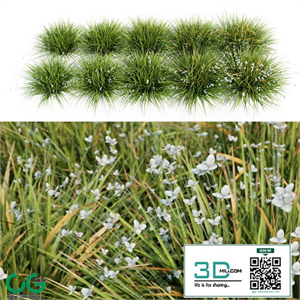
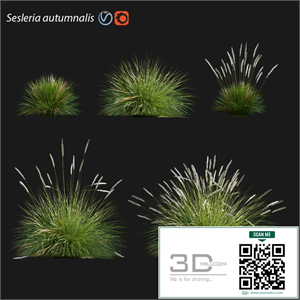
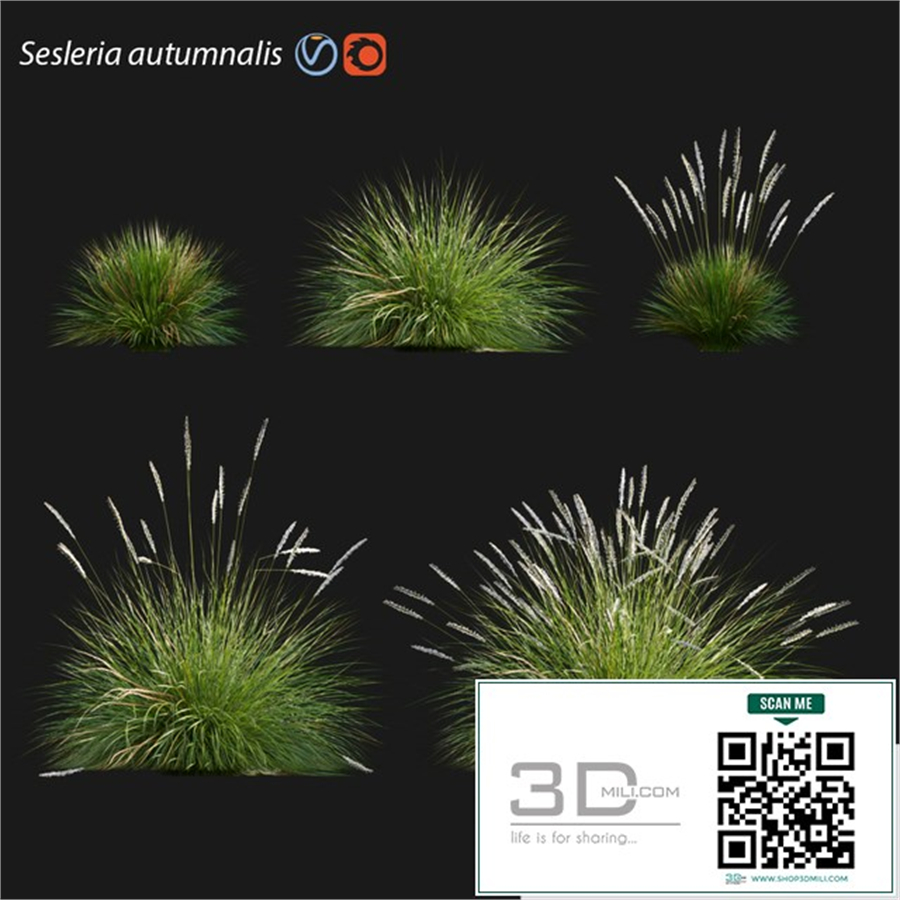
One of the most distinguishing features of _Sesleria autumnalis_ is its _evergreen_ foliage. Unlike many grasses that die back in winter, this species retains its leaves throughout the year, providing valuable winter structure and visual interest in the garden. The leaves themselves are _linear_ and _stiff_, forming a dense, upright tuft. They are typically a greyish-green in color, although some cultivars may exhibit subtle variations in hue, ranging from silvery-blue to deeper greens. The leaf texture is quite unique, possessing a slightly _glaucous_ (waxy) coating that adds to its visual appeal.
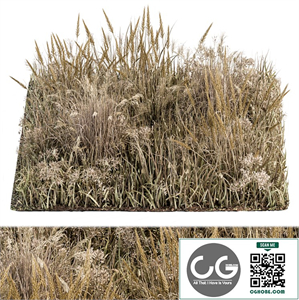
The flowering period of _Sesleria autumnalis_ is a highlight of its life cycle. As its common name suggests, it blooms in _autumn_, usually from late summer into early fall, producing striking, silvery-grey _flower spikes_. These inflorescences are quite dense and attractive, adding a contrasting texture to the overall plant form. The flowers themselves are relatively small and inconspicuous, but their collective effect is visually significant. These _spikelets_ are arranged in compact, cylindrical panicles, creating a subtle, shimmering effect in the late season light. The seed heads persist well into winter, adding another layer of textural interest to the landscape.
### Part 2: Cultivation and Care: A Low-Maintenance Marvel
Despite its origins in challenging mountain environments, _Sesleria autumnalis_ is surprisingly adaptable to a range of garden conditions. However, understanding its basic needs will ensure its optimal growth and longevity.
_Sunlight_: This species thrives in _full sun_ or _partial shade_. While it tolerates some shade, its fullest flowering potential is realized in locations receiving at least six hours of direct sunlight daily.
_Soil_: _Sesleria autumnalis_ is relatively undemanding regarding soil type. It prefers well-drained soil, and while it tolerates a range of pH levels, it performs best in slightly _alkaline_ to _neutral_ conditions. Heavy clay soils should be amended with organic matter to improve drainage and aeration.
_Watering_: While relatively drought-tolerant once established, _Sesleria autumnalis_ benefits from regular watering, especially during extended dry periods, particularly in its first year. Overwatering should be avoided, as this can lead to root rot.
_Fertilization_: This grass generally does not require heavy fertilization. A light application of a balanced _slow-release fertilizer_ in early spring can promote healthy growth, but it's not essential for its survival.
_Propagation_: _Sesleria autumnalis_ can be propagated by _seed_ or by _division_. Seed propagation is possible but may result in slower establishment. Division is generally the preferred method, as it allows for the rapid multiplication of desirable cultivars and ensures uniformity. Division is best carried out in early spring or autumn.
_Pests and Diseases_: _Sesleria autumnalis_ is remarkably resistant to pests and diseases, making it a low-maintenance choice for the gardener. Good cultural practices, including adequate drainage and air circulation, will further minimize the risk of any potential problems.
### Part 3: Landscaping Applications and Design Inspiration
The versatility of _Sesleria autumnalis_ makes it an excellent choice for a range of landscaping applications. Its refined texture and late-season bloom contribute to a sophisticated aesthetic.
* _Border plantings_: The upright habit of _Sesleria autumnalis_ makes it a perfect addition to mixed borders, providing structural backbone and textural contrast to other plants. It complements both herbaceous perennials and shrubs equally well.
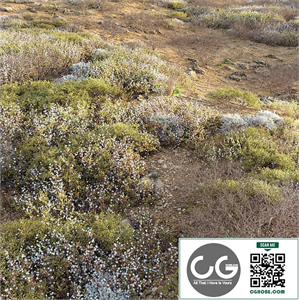
* _Rock gardens_: Its natural habitat in mountainous regions makes it ideally suited to rock gardens and alpine settings. Its drought tolerance and hardiness make it a low-maintenance choice for these challenging environments.
* _Gravel gardens_: _Sesleria autumnalis_ thrives in well-drained, gravelly soils, making it a perfect choice for gravel gardens and dry landscapes. It adds a touch of elegance to these minimalist settings.
* _Mass plantings_: Planting _Sesleria autumnalis_ en masse can create striking visual impact, particularly when used to create a naturalistic, meadow-like effect. The shimmering effect of the autumnal flower spikes is particularly impressive when planted in large numbers.
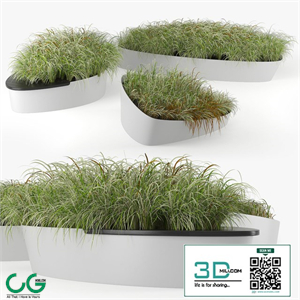
* _Container gardening_: Although not its typical setting, _Sesleria autumnalis_ can also be grown successfully in containers, provided they are adequately sized to accommodate the root system and provide sufficient drainage.
When designing with _Sesleria autumnalis_, consider its texture and color. Its grey-green foliage provides a neutral backdrop that complements a variety of other plants. Pair it with plants that possess contrasting textures or colors to create a visually dynamic and interesting design. Consider incorporating plants with autumnal blooms, such as asters or sedums, to extend the season of interest.
### Part 4: Cultivars and Selection
While the species _Sesleria autumnalis_ is already visually appealing, several cultivars have been developed, offering subtle variations in color, size, or growth habit. When selecting a cultivar, consider the specific conditions of your garden and the overall design aesthetic you are aiming to achieve. Researching available cultivars beforehand can help ensure you select the best fit for your needs. Look for reputable nurseries or suppliers who can provide information on the specific characteristics of each cultivar.
### Conclusion: A Lasting Contribution to the Garden
_Sesleria autumnalis_, or Autumn Moor Grass, offers a compelling blend of aesthetic appeal, hardiness, and low-maintenance cultivation. Its evergreen foliage, striking autumnal blooms, and adaptability make it a valuable asset to any garden, whether large or small. By understanding its needs and incorporating it thoughtfully into your landscape design, you can enjoy the enduring beauty of this remarkable ornamental grass for years to come. Its unique contribution to the garden extends beyond its visual appeal; it provides valuable habitat for beneficial insects and adds a touch of wild elegance to cultivated spaces. The subtle yet striking presence of _Sesleria autumnalis_ is a testament to the understated beauty that nature has to offer.