## Designing a Dreamy Nursery: A Comprehensive Guide to Decorating Your Little One's Haven
Creating a nursery is one of the most exciting and rewarding experiences for expectant parents. It's a space brimming with potential, a blank canvas awaiting the transformation into a haven of comfort, safety, and joy for your little one. This comprehensive guide will walk you through the essential elements of designing a perfect nursery, offering practical advice, stylish ideas, and considerations for every stage of the process. We'll cover everything from choosing the *perfect paint color* to selecting the most *functional and aesthetically pleasing furniture*, creating a *safe and stimulating environment*, and ultimately, designing a space that reflects your unique style and nurtures your baby's development.
Part 1: Planning & Preparation – Laying the Foundation for Your Nursery Design
Before you dive into the exciting world of nursery décor, a little planning goes a long way. This initial phase involves crucial decisions that will influence every aspect of the design process.
* Choosing the Right Room: Consider factors like *natural light*, *size*, *location* within your home (proximity to your bedroom is ideal for nighttime feedings), and *existing features* like built-in closets or windows. A larger room offers more flexibility, while a smaller space requires careful consideration of furniture placement to maximize efficiency and avoid overcrowding.
* Defining Your Style: Take some time to brainstorm the overall *aesthetic* you envision for your nursery. Do you prefer a *modern minimalist* design, a *rustic farmhouse* feel, a *whimsical fairytale* theme, or a *classic and timeless* look? Scrolling through online inspiration boards (Pinterest is a great resource!), looking at nursery décor magazines, and visiting baby boutiques can help you refine your preferences. Consider incorporating elements that reflect your personal style as a couple, creating a space that feels uniquely yours.
* Creating a Budget: Nursery decorating can quickly become expensive. Establishing a *realistic budget* from the outset is crucial to avoid overspending. Prioritize essential items like a *crib*, *changing table*, and *dresser*, and consider cost-effective alternatives for decorative elements. Don't be afraid to shop around, compare prices, and look for sales. Remember, you can always add decorative touches gradually over time.
* Measuring the Space: Accurate *measurements* of the nursery are essential for selecting appropriately sized furniture and planning the room layout effectively. Use a measuring tape to record the dimensions of the walls, windows, doors, and any existing features. Sketching a basic floor plan can be incredibly helpful in visualizing furniture placement and identifying potential challenges.
Part 2: Essential Furniture – Functionality Meets Style
The furniture you choose for your nursery will significantly impact both its functionality and aesthetics. Focus on selecting pieces that are not only beautiful but also safe, durable, and practical.
* The Crib: The *crib* is the centerpiece of any nursery. Consider its *size*, *material* (wood is a popular and durable option), *style*, and *safety features*. Ensure it meets current safety standards, including proper slat spacing and sturdy construction.
* Changing Table/Dresser Combination: A *changing table* is essential for diaper changes, offering a comfortable and safe surface for your baby. Many parents opt for a *dresser* with a changing topper, offering a practical two-in-one solution that will be useful long after your baby outgrows the changing table. Choose a dresser with ample storage space for diapers, wipes, clothes, and other essentials.
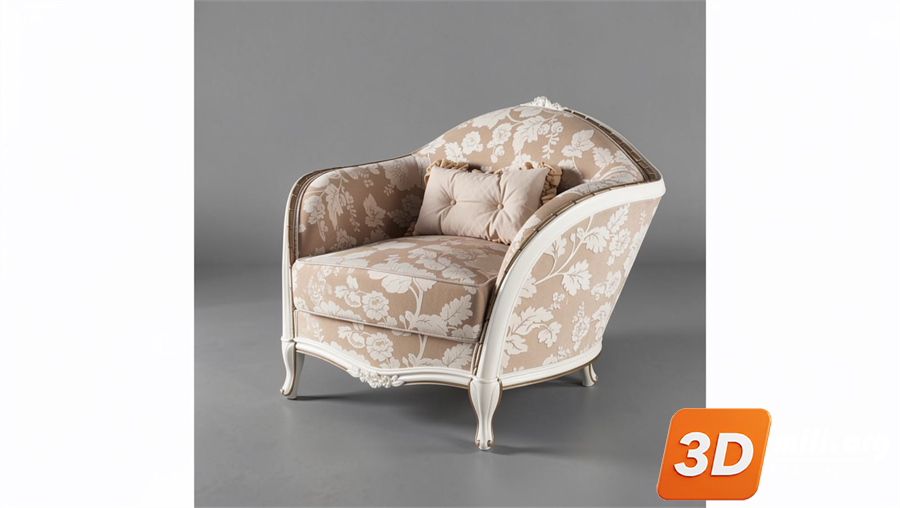
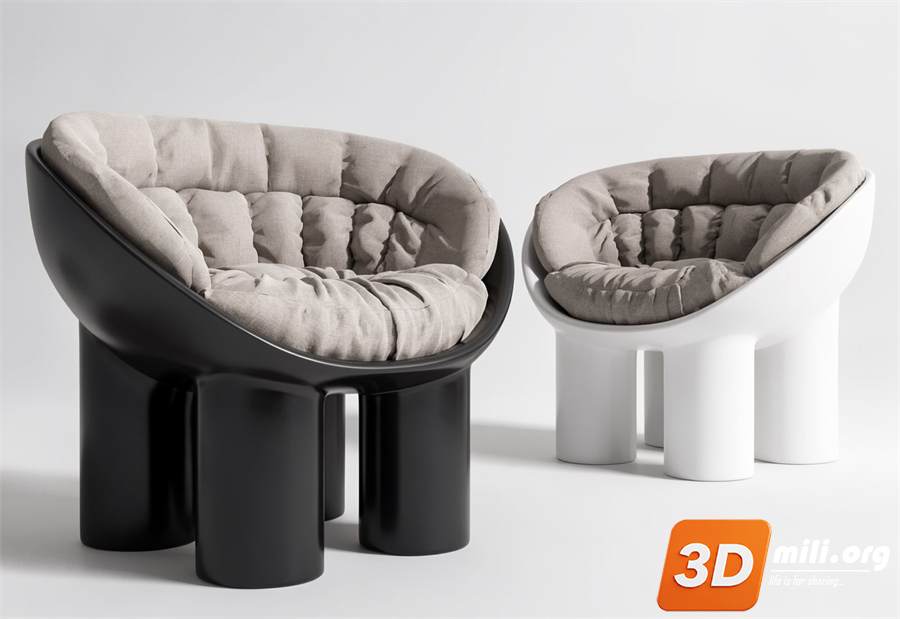
* Glider or Rocking Chair: A *glider* or *rocking chair* provides a comfortable and relaxing place to feed, soothe, and bond with your baby. The gentle rocking motion can help calm both you and your little one.
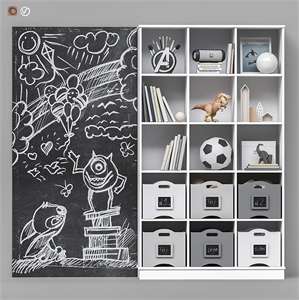
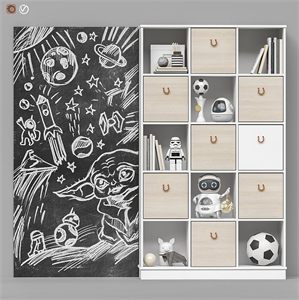
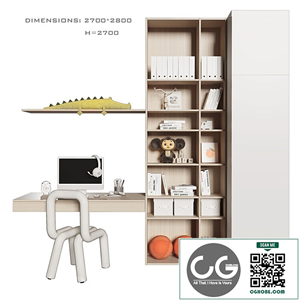
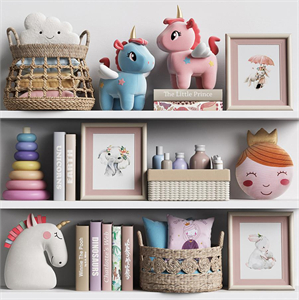
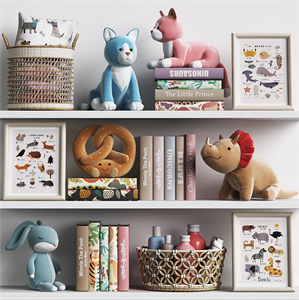
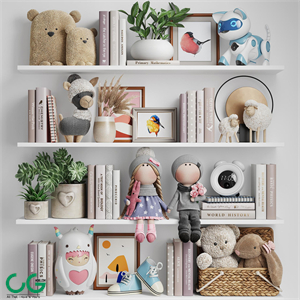
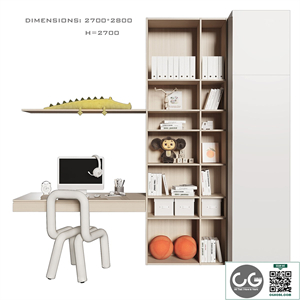
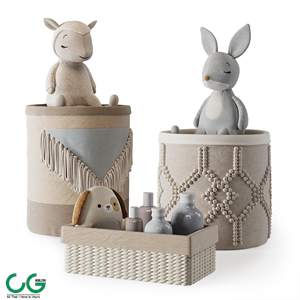
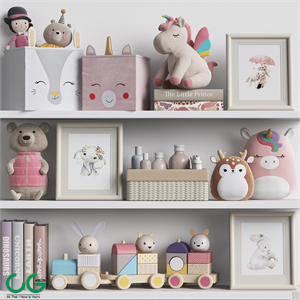
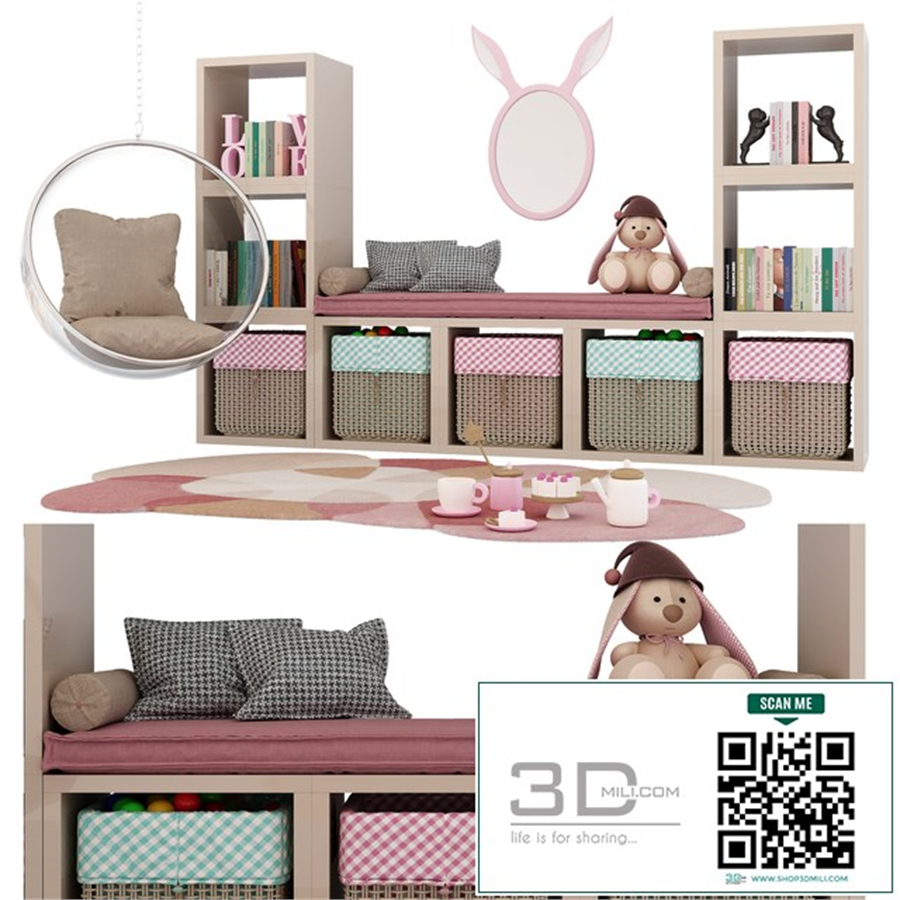
* Storage Solutions: Adequate *storage* is critical in a nursery, to keep the space organized and clutter-free. Consider *shelves*, *drawers*, *baskets*, and *wardrobes* to store baby clothes, toys, and other items.
* Other Considerations: Depending on the size of your nursery and your needs, you might also want to consider a *bookcase*, a *toy storage bin*, or a *nightstand* for personal items.
Part 3: Colour Palette & Wall Decor – Setting the Mood and Creating a Stimulating Environment
The *color palette* and *wall décor* play a significant role in setting the overall mood and aesthetic of the nursery. Consider the following:
* Choosing a Paint Color: Opt for *calm and soothing colors* such as pale blues, greens, yellows, or grays. These colors promote relaxation and sleep. Avoid using overly bright or stimulating colors, particularly in areas near the crib. Consider using a *soft, neutral base color* and adding pops of brighter colors through accessories.
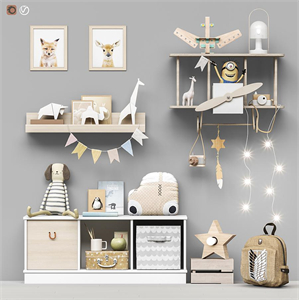
* Wall Décor: *Wall decals*, *framed prints*, *paintings*, or *wall murals* can add personality and charm to the nursery. Choose artwork with *soft and gentle imagery* that is appropriate for a baby's developing visual system. Consider themes that reflect your chosen style.
* Lighting: *Appropriate lighting* is crucial in a nursery. Use a combination of *soft overhead lighting*, *table lamps*, and *nightlights* to create a calm and comforting atmosphere. A *dimmer switch* is a valuable addition, allowing you to adjust the brightness to suit the time of day and your baby's needs.
Part 4: Textiles & Accessories – Adding Comfort and Personalization
Textiles and accessories add warmth, comfort, and personality to the nursery. Choose items that are soft, safe, and aesthetically pleasing.
* Curtains: *Soft, light-filtering curtains* can help create a calm and peaceful atmosphere. They can also help to regulate the temperature and light in the room.
* Rugs: A *soft rug* adds warmth and comfort to the floor, providing a cozy space for playtime. Choose a rug that is easy to clean and hypoallergenic.
* Bedding: Choose *soft and breathable bedding* for your baby's crib, ensuring it meets safety standards. Avoid loose blankets or pillows to prevent suffocation risks.
* Wall Hangings: *Tapestries*, *fabric banners*, or *woven wall hangings* can add texture and visual interest to the nursery.
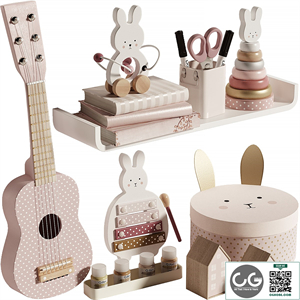
* Toys and Mobiles: Select *safe and age-appropriate toys and mobiles* that will stimulate your baby's senses and encourage development. Avoid hanging items above the crib that could pose a strangulation risk.
Part 5: Safety First – Prioritizing Your Baby's Well-being
Above all, safety should be your top priority when designing your nursery. Consider these essential safety measures:
* Crib Safety: Ensure your crib meets current safety standards, with proper slat spacing and no loose parts.
* Changing Table Safety: Never leave your baby unattended on the changing table. Use a strap to secure your baby if available.
* Window Safety: Install window guards to prevent your baby from falling out.
* Electrical Safety: Cover electrical outlets and ensure all cords are safely tucked away.
* Furniture Anchoring: Anchor heavy furniture like dressers and bookshelves to the wall to prevent tip-overs.
* Toy Safety: Select toys that are age-appropriate and free from small parts that could pose a choking hazard.
* Smoke Detectors and Carbon Monoxide Detectors: Ensure you have working smoke and carbon monoxide detectors installed in your home.
By carefully considering these elements, you can create a beautiful, functional, and safe nursery that will provide a nurturing and stimulating environment for your little one to thrive in for years to come. Remember, this is a space filled with love, and that love will shine through in every detail of your design.