## The Art of the *Set*: Designing Cohesive Clothing Collections
The fashion world thrives on the creation of *sets* – not just individual garments, but carefully curated collections of clothing designed to work together seamlessly. These sets, whether they comprise a simple *two-piece outfit* or a more extensive capsule wardrobe, represent a powerful statement about the designer's vision and the wearer's style. This exploration dives deep into the multifaceted art of designing clothing *sets*, examining the creative process, technical considerations, and marketing strategies involved in crafting successful and desirable collections.
Part 1: Conceptualizing the Set – Finding the *Narrative*
Before a single stitch is sewn, the design process for a clothing set begins with a compelling *narrative*. This narrative isn't simply about the clothes themselves; it's about the story they tell, the *lifestyle* they represent, and the *emotion* they evoke. Several key elements contribute to this crucial initial phase:
* Theme & Inspiration: The foundation of any successful set lies in a well-defined theme. This could be drawn from diverse sources – *historical periods*, *cultural influences*, *artistic movements*, *natural phenomena*, or even abstract concepts. For instance, a set might be inspired by the *romanticism* of the Victorian era, the *bold geometry* of Art Deco, or the *earthy tones* of a desert landscape. The chosen theme will dictate the *color palette*, *silhouettes*, *fabrics*, and overall *aesthetic* of the collection.
* Target Audience: A thorough understanding of the *target audience* is paramount. Who is this set designed for? What are their *lifestyle needs*, *fashion preferences*, and *purchasing power*? Defining the target audience informs every design decision, from the *fit* and *functionality* of the garments to the *pricing* strategy.
* Mood Board & Sketches: Visualizing the narrative is crucial. A *mood board* – a collection of images, textures, and color swatches – helps to solidify the overall aesthetic. This visual guide is then translated into initial *sketches*, which explore different *silhouettes*, *details*, and *combinations* within the set. This process allows for experimentation and the refinement of ideas before moving on to more concrete design stages.
* Storytelling through Design: The garments within a set shouldn't just be aesthetically pleasing; they should tell a story. This storytelling can be subtle – perhaps through the use of *repetitive motifs* or a consistent *color story* – or more overt, with pieces designed to evoke specific imagery or evoke particular feelings. Consider the *context* in which the set will be worn and how the individual garments can complement and enhance each other to create a cohesive and compelling narrative.
Part 2: Technical Considerations – *Fabric*, *Fit*, and *Function*
Once the conceptual framework is established, the focus shifts to the technical aspects of design. These aspects are crucial for ensuring the set is not only aesthetically pleasing but also comfortable, durable, and well-made.
* Fabric Selection: The choice of *fabric* is critical to the overall feel and function of the set. Different fabrics offer unique properties – some are lightweight and breathable, others are warm and durable. The *drape*, *texture*, and *hand* of the fabric must be carefully considered in relation to the *silhouette* and *intended use* of each garment. The *sustainability* and *ethical sourcing* of fabrics are also increasingly important considerations for conscious consumers.
* Pattern Making & Grading: Precise *pattern making* is fundamental to creating well-fitting garments. The patterns must be accurately graded to accommodate different *body types* and *sizes*. This ensures the set offers a consistent and flattering fit across the entire size range. Advanced techniques, such as *computer-aided design (CAD)*, can significantly streamline this process.
* Construction & Detailing: The *construction techniques* used to create the garments influence their durability and overall quality. Careful consideration must be given to *seam finishes*, *zippers*, *buttons*, and other *details*. The choice of construction methods should align with the overall aesthetic and functionality of the set. For instance, a minimalist set might feature clean, simple seams, while a more elaborate set could incorporate intricate embellishments or decorative stitching.
Part 3: Building the *Collection* – Expanding Beyond the Core Set
While a core set might consist of a few key pieces, a successful clothing *collection* often extends beyond this core, offering complementary items that enhance its versatility and appeal.
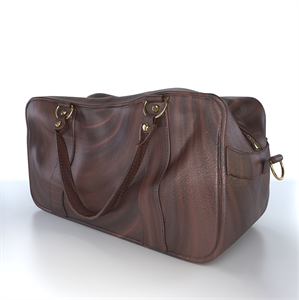
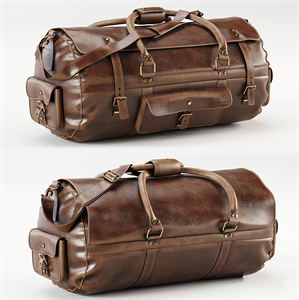
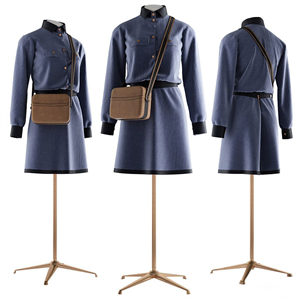
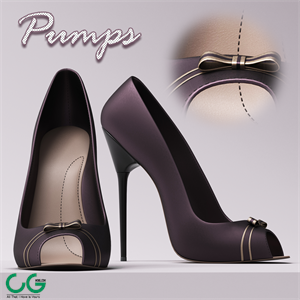
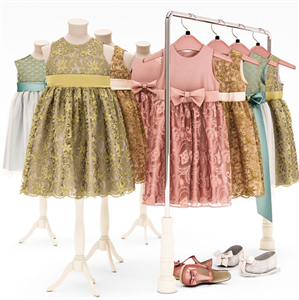
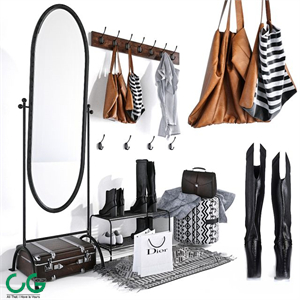
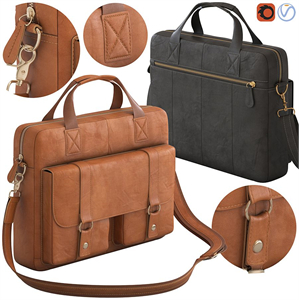
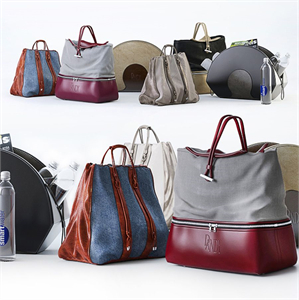
* Accessorizing the Set: Accessories play a crucial role in completing the look and feel of a set. *Jewelry*, *bags*, *shoes*, and *belts* can all be designed to complement the colors, textures, and styles of the core pieces. These accessories can be included as part of the set or offered as separate purchases, broadening the appeal and revenue potential of the collection.
* Expanding the Color Palette: A well-designed set might feature multiple *colorways*, allowing consumers to choose the option that best suits their personal style and preferences. This expands the collection's reach and caters to a wider audience.
* Creating Variations on a Theme: The core concept can be revisited and reinterpreted through variations in *silhouette*, *detailing*, or *fabrication*. For instance, a core dress might be reimagined as a skirt and top combination, providing alternative styling options for the consumer.
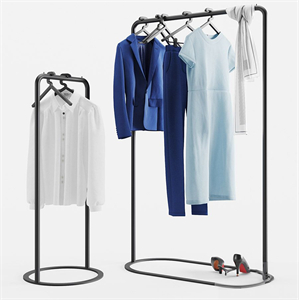
* Developing a Capsule Wardrobe: A truly comprehensive collection could evolve into a *capsule wardrobe*, a curated selection of garments that can be mixed and matched to create a multitude of different outfits. This approach provides consumers with maximum versatility and reduces the need for excessive purchases.
Part 4: Marketing & Branding – Communicating the *Vision*
The final, and arguably equally important, stage in the design process involves effectively communicating the vision behind the set to the target audience.
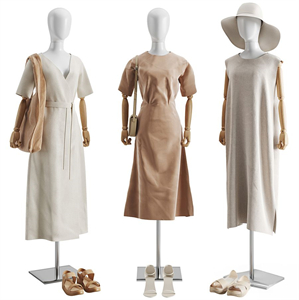
* Photography & Styling: High-quality *photography* and professional *styling* are essential to showcasing the set in its best light. The imagery should accurately reflect the narrative and aesthetic of the collection, capturing its essence and conveying its appeal to potential consumers.
* Branding & Messaging: The *branding* and *messaging* should be consistent with the overall theme and narrative of the set. The brand story should be clearly communicated through the *packaging*, *website*, and other marketing materials. This creates a cohesive and memorable brand experience for the consumer.
* Social Media & Influencer Marketing: *Social media* and *influencer marketing* can be powerful tools for reaching a wider audience and generating excitement around the launch of a new set. Collaborating with influencers who align with the brand's values and target audience can significantly enhance the collection's visibility and credibility.
* Sustainability & Ethical Considerations: Consumers are increasingly concerned about the *sustainability* and *ethical practices* of the brands they support. Highlighting the use of sustainable materials, ethical production methods, and fair labor practices can be a powerful differentiator in a competitive market.
In conclusion, designing a successful set of clothes is a complex but rewarding endeavor. It requires a deep understanding of *fashion trends*, *consumer preferences*, and *technical design principles*. By carefully considering every aspect of the process, from the initial conceptualization to the final marketing efforts, designers can create compelling collections that resonate with their target audience and establish a unique brand identity. The ability to tell a story through clothing, to create a sense of *cohesion* and *desire* through carefully chosen *fabrics*, *fits*, and *details*, is the ultimate mark of a truly masterful designer.