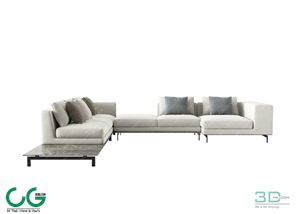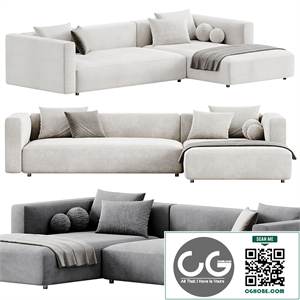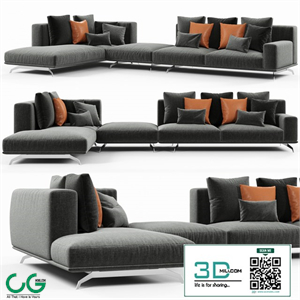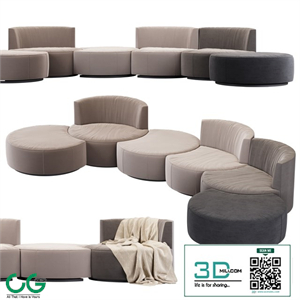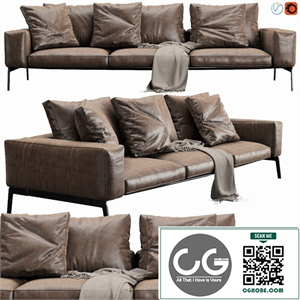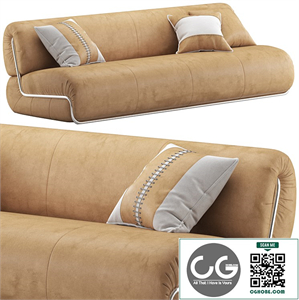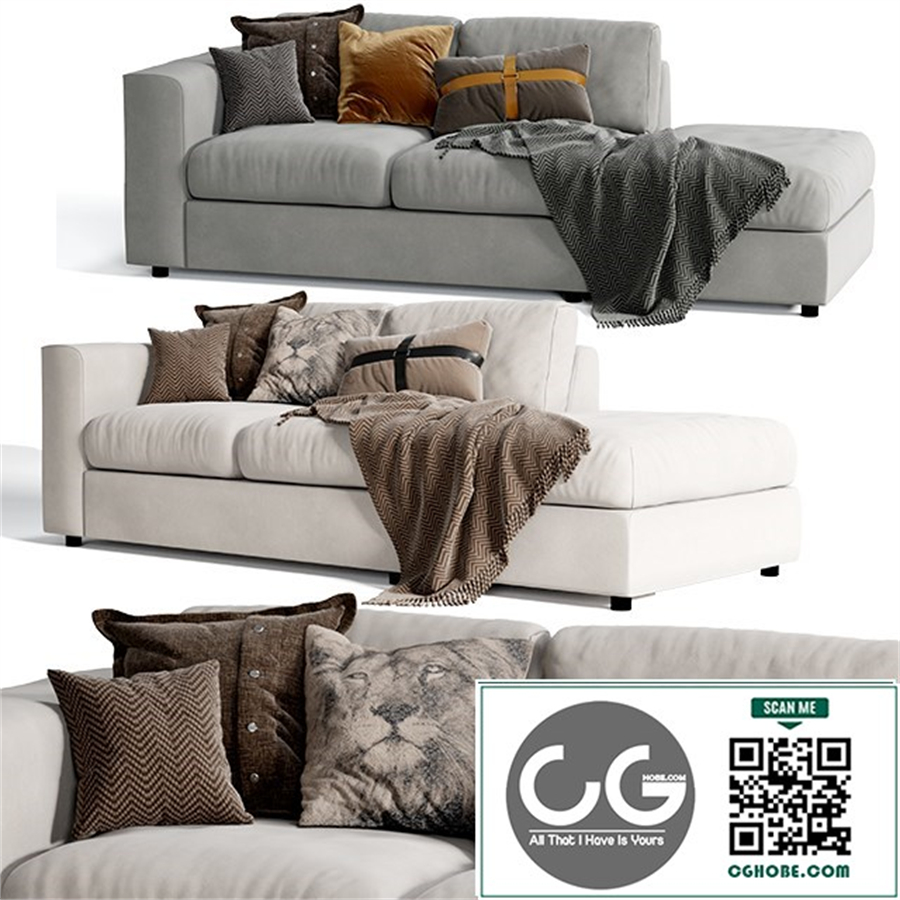
## Sofa 3D Model: A Deep Dive into Design, Creation, and Application
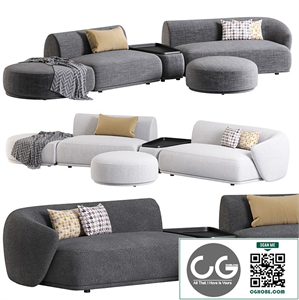
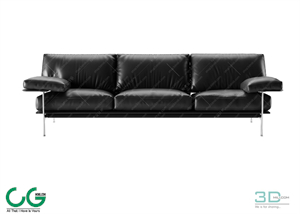
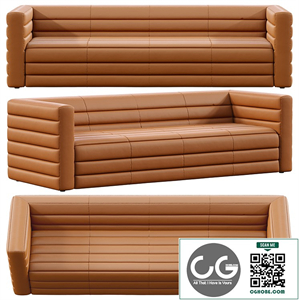
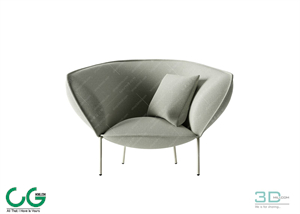
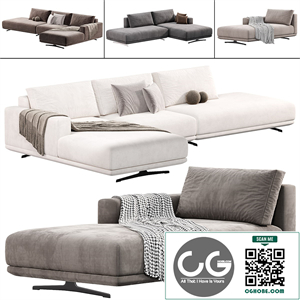
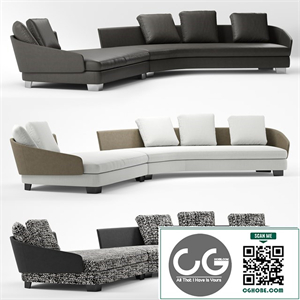
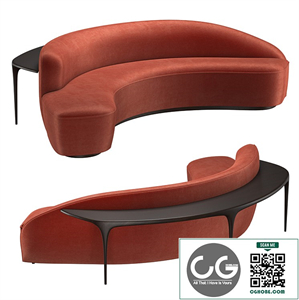
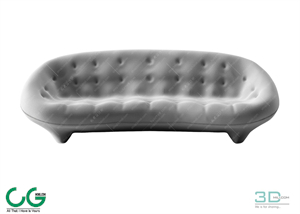
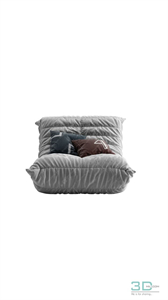
This comprehensive guide explores the world of *3D sofa models*, delving into their design, creation, and diverse applications across various industries. From understanding the foundational aspects of *3D modeling* to mastering the nuances of realistic texture and material application, this exploration aims to provide a thorough understanding of this crucial element in the digital design landscape.
Part 1: The Foundation of 3D Sofa Modeling
The journey of creating a compelling *3D sofa model* begins with a clear understanding of the fundamental principles of *3D modeling*. This involves selecting the appropriate *software*, mastering essential tools, and establishing a robust workflow. Popular software options include *Blender* (open-source and versatile), *3ds Max* (powerful and industry-standard), *Cinema 4D* (user-friendly and intuitive), and *Maya* (renowned for animation and complex modeling). The choice depends largely on individual preference, project scope, and budget.
Regardless of the chosen software, mastering core skills is paramount. These include:
* *Polygonal Modeling*: This involves constructing the sofa's shape using polygons – fundamental building blocks in 3D modeling. Understanding polygon topology – the arrangement and flow of polygons – is crucial for creating clean and efficient models, especially for animation and deformation. Learning to manipulate vertices, edges, and faces is essential for shaping the sofa's curves, cushions, and legs effectively.
* *Subdivision Surface Modeling*: This technique refines the polygon mesh, generating smoother surfaces from a relatively low-polygon base model. This allows for a balance between detail and manageable file size, a critical factor for efficient rendering and animation. Software like Blender utilizes subdivision surface modeling extensively, providing artists with a powerful way to achieve high-fidelity results.
* *NURBS Modeling*: *Non-Uniform Rational B-Splines* offer a mathematically precise approach to modeling curves and surfaces. They are commonly used for creating sleek, smooth forms, often preferred for designing high-end furniture. While potentially more complex to learn initially, NURBS modeling offers exceptional control and precision.
* *UV Unwrapping*: This crucial step involves mapping the 2D texture onto the 3D model's surface. Proper UV unwrapping ensures that the texture appears correctly on the model, avoiding distortions and seam issues. Understanding UV layout techniques and optimizing texture placement is key to achieving high-quality results.
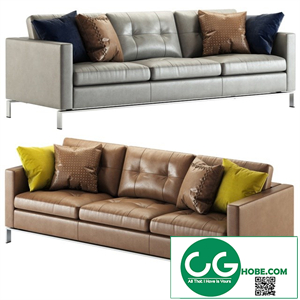
* *Texturing and Materials*: A realistic *3D sofa model* goes beyond just its shape; it requires accurate and appealing textures and materials. This involves selecting appropriate materials (e.g., leather, fabric, wood) and applying textures that capture the nuances of their appearance – from subtle wrinkles and creases to the sheen of polished wood. This process frequently involves utilizing *PBR (Physically Based Rendering)* workflows for enhanced realism. Experimentation with different maps – such as *diffuse maps, normal maps, specular maps, and roughness maps* – is key to achieving convincing material representations.
Part 2: Advanced Techniques for Realistic Sofa Models
Creating photorealistic *3D sofa models* necessitates going beyond the basics. Advanced techniques greatly enhance the visual fidelity and overall realism of the final product. These include:
* *Displacement Mapping*: This technique adds fine details to the sofa's surface, without increasing the polygon count significantly. It uses a grayscale image (a *displacement map*) to push and pull the surface vertices, creating realistic bumps, grooves, and texture details. This is particularly useful for adding realistic stitching on upholstery or wood grain texture.
* *Normal Mapping*: Similar to displacement mapping, *normal mapping* simulates surface details using a normal map – an image that represents the surface's normal vectors. This technique creates an illusion of depth and detail without the computational overhead of adding millions of polygons.
* *Ambient Occlusion*: This technique simulates the darkening of surfaces in areas where light cannot easily reach – such as crevices and corners. This subtle effect contributes significantly to the overall realism of the model, making it appear more three-dimensional.
* *Global Illumination*: This technique simulates the way light bounces off surfaces, creating realistic shadows, reflections, and indirect lighting. Accurate global illumination enhances the realism of a scene, making the sofa interact realistically with its surroundings.
* *Hair and Fur Simulation*: For certain sofa designs incorporating fringe or unique textile elements, specialized techniques like hair and fur simulation may be required. These tools allow the creation of realistic fiber effects, adding an extra layer of detail.
Part 3: Applications of 3D Sofa Models
The applications of high-quality *3D sofa models* are incredibly diverse:
* *Product Visualization*: Creating realistic renderings for online stores, catalogs, and marketing materials. High-quality visuals greatly enhance the presentation of sofas, attracting customers and conveying a strong brand message.
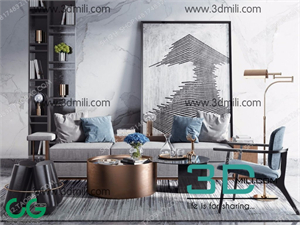
* *Interior Design*: Architects and interior designers extensively use *3D sofa models* to visualize room layouts and furniture arrangements before committing to real-world purchases. This allows for experimentation and efficient design iteration.
* *Virtual Reality (VR) and Augmented Reality (AR)*: Integrating *3D sofa models* into VR and AR applications enables customers to experience sofas in their own homes virtually, helping them make informed purchase decisions. This interactive approach is transforming the furniture industry.
* *Video Game Development*: Realistic *3D sofa models* are integral to creating immersive and engaging game environments.
* *Animation and Film*: From commercials to feature films, detailed *3D sofa models* play a crucial role in setting the scene and creating believable environments.
* *3D Printing*: High-resolution *3D sofa models* can be used to create physical prototypes, facilitating design refinement and testing before mass production.
Part 4: The Future of 3D Sofa Modeling
The field of *3D sofa modeling* is constantly evolving. Advancements in rendering technology, software capabilities, and procedural generation techniques promise even more realistic and efficient workflows in the future. The integration of AI and machine learning is poised to further automate aspects of the modeling process, streamlining workflows and potentially generating unique and innovative designs. We can anticipate even greater realism and detail in *3D sofa models*, bridging the gap between the virtual and physical worlds. The focus will continue to be on creating models that are not only visually stunning but also optimized for various applications and platforms. The accessibility of powerful tools and the growing demand for high-quality visuals ensures a bright future for the creation and utilization of *3D sofa models* across a multitude of industries.