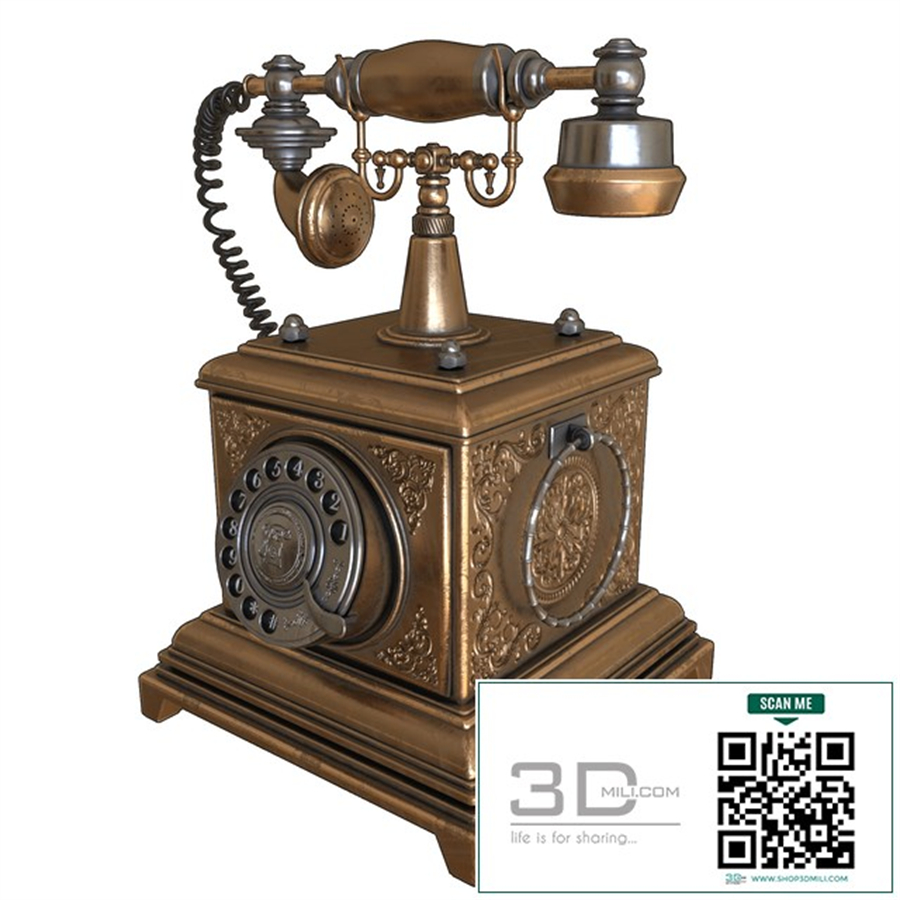
## A Steampunk Symphony: Reimagining Communication in a Victorian Era
The modern smartphone, a ubiquitous slab of glass and metal, holds the world at our fingertips. Yet, imagine a world where this technology is clothed not in sleek minimalism, but in the intricate gears, polished brass, and rich mahogany of the *Victorian era*. This is the essence of the *Steampunk phone* design – a fascinating collision of cutting-edge technology and antiquated aesthetics. It's a device that not only functions as a modern communication tool but also serves as a captivating work of art, a tangible piece of *retrofuturism*.
### Part 1: The Genesis of the Steampunk Aesthetic
Before delving into the specifics of the design, it's crucial to understand the *Steampunk* aesthetic itself. Born from the fertile imagination of science fiction writers and artists, Steampunk envisions an alternative 19th-century where steam power reigns supreme, and technology has progressed along a different, more *mechanically ornate* path. Think elaborate clockwork mechanisms, exposed gears, polished brass fittings, rich leather, and dark, polished wood. It's a world of *goggles*, *top hats*, and *airships*, where invention is celebrated with a lavish, almost theatrical flair.
This aesthetic isn't merely a superficial stylistic choice; it represents a specific *philosophical approach*. It embraces a *sense of wonder*, celebrating craftsmanship and ingenuity in a time before mass production. The *details* are paramount, each gear, each rivet, each engraved inscription telling a story of intricate design and meticulous handwork. This emphasis on craftsmanship is a critical element in the design of the Steampunk phone, as we aim to capture the spirit of this aesthetic in every detail.
### Part 2: Form and Function: Reconciling Old and New
The challenge in designing a Steampunk phone lies in harmoniously blending the *old-world charm* of Victorian aesthetics with the sleek functionality of modern technology. The *form factor* itself presents a unique opportunity. Rather than the ubiquitous rectangular slab, we can envision a more *sculptural* design, possibly incorporating curved surfaces and asymmetrical elements, mimicking the organic yet intricate designs found in Victorian architecture and machinery.
The *materials* play a crucial role in capturing the Steampunk essence. Imagine a casing crafted from *dark, polished wood*, perhaps mahogany or ebony, accented with gleaming *brass* fittings and meticulously crafted *gears* that subtly hint at the complex technology within. *Leather* could be incorporated into the design, perhaps as a protective flap over the screen or as a textured grip. The overall feel should be one of substantial *weight* and quality, conveying a sense of permanence and craftsmanship absent from the ephemeral nature of many modern devices.
The *display* presents a significant design hurdle. We could consider a subtly curved, perhaps *slightly tinted* screen to evoke the feel of old-fashioned glass, or perhaps integrate the screen into a more elaborate frame that conceals it when not in use, enhancing the mystery and intrigue. The *buttons* should mimic the tactile feel of antique clockwork mechanisms, providing a satisfying click and offering haptic feedback to enhance the user experience.
### Part 3: Technological Integration: The Heart of the Machine
The most demanding aspect of the Steampunk phone design is the careful integration of modern technology within the confines of the Victorian aesthetic. While the exterior should evoke the past, the *interior* must embody the present. This involves a careful consideration of the placement and integration of the *internal components*.
The *battery*, for example, needs to be strategically concealed, perhaps within a larger, decorative element that complements the overall design. The *processor* and other electronics should be carefully housed, ensuring optimal performance without compromising the aesthetic integrity. This requires innovative engineering solutions to ensure efficient heat dissipation and prevent interference.
The *user interface* (UI) presents another challenge. Instead of the sleek minimalism of modern smartphones, we can consider a UI inspired by the visual language of antique instruments and clockwork mechanisms. This could involve the use of custom *fonts*, *illustrations*, and *animations* that evoke the feeling of Victorian-era technology. The overall goal is to create a UI that is both intuitive and visually captivating.
### Part 4: Beyond the Phone: The Ecosystem
The Steampunk phone shouldn't exist in isolation. A truly immersive experience requires an ecosystem of complementary accessories. Imagine a *leather carrying case* adorned with brass fittings, a *charger* designed to resemble an antique lamp, or even a *Bluetooth headset* that looks like a Victorian-era hearing aid.
This extends beyond the physical accessories. The *software* should also reflect the Steampunk aesthetic. Custom *ringtones* and *notification sounds* that evoke the clanking of gears and the hiss of steam would enhance the immersive experience. The phone could even feature curated *wallpapers* and *themes* that further reinforce the Victorian aesthetic.
### Part 5: The Future of Retrofuturism: A Lasting Legacy
The Steampunk phone is more than just a novelty; it's a statement. It’s a testament to the enduring power of craftsmanship, a celebration of a unique aesthetic, and a fascinating exploration of how the past and the future can coexist in harmony. It transcends mere functionality; it’s a *conversation starter*, a *work of art*, and a glimpse into an alternate history where technology and aesthetics are inextricably intertwined. By meticulously blending form and function, the Steampunk phone aims not only to be a functional device but also a lasting tribute to the enduring appeal of *retrofuturism* and the timeless beauty of the *Victorian era*. Its design stands as a testament to the possibilities of creative innovation, demonstrating that technology can be both powerful and beautiful, both advanced and evocative. The future of *communication*, as envisioned through this design, is not simply efficient; it is exquisite.