## The Enduring Allure of Stone: A Design Exploration
This exploration delves into the multifaceted world of _stone_ in design, examining its historical significance, diverse applications, and enduring appeal in contemporary aesthetics. From ancient monuments to modern minimalist interiors, _stone_ maintains its relevance, offering a unique blend of durability, beauty, and inherent connection to the earth. We will investigate the various types of _stone_, their properties, and how designers harness their unique characteristics to create breathtaking and functional spaces.
### Part 1: A Historical Perspective on Stone in Design
The use of _stone_ in design is as old as civilization itself. Early humans recognized the inherent strength and durability of _stone_, using it to construct rudimentary shelters and tools. The transition to more sophisticated structures, evident in ancient civilizations like the Egyptians, Greeks, and Romans, showcases the impressive architectural capabilities of _stone_. The majestic pyramids of Giza, the intricate Parthenon, and the robust Roman aqueducts stand as testaments to the enduring power and aesthetic impact of _stone_. These structures, built with meticulous craftsmanship, demonstrate the ability of _stone_ to transcend time and endure the test of centuries. The very permanence of _stone_ imbued these structures with a sense of *timelessness* and *power*, linking them inextricably to the cultural and historical context of their creation. The choice of specific _stone_, whether it be the limestone of the pyramids or the marble of the Parthenon, was not arbitrary. It was carefully considered, reflecting both the availability of resources and the desired aesthetic effect. The rich textures and colours of the _stone_ itself contributed significantly to the overall impact of the architecture, underscoring the vital role of material selection in design.
### Part 2: The Diverse World of Stone: Types and Properties
The term "_stone_" encompasses a vast array of materials, each with unique properties that influence its suitability for specific design applications. _Natural stone_, encompassing materials formed through geological processes, offers a breathtaking range of textures, colours, and patterns. This diversity is reflected in the various types of _stone_ commonly used in design:
* _Granite_: Known for its exceptional hardness and durability, _granite_ is a popular choice for countertops, flooring, and exterior cladding. Its distinctive speckles and variations in colour offer a sophisticated and elegant aesthetic. The inherent strength of _granite_ makes it ideal for high-traffic areas, where resilience is paramount.
* _Marble_: Celebrated for its luxurious appearance and veining patterns, _marble_ is a prized material for sculptures, flooring, and high-end interior applications. However, its relatively softer nature compared to _granite_ necessitates careful handling and maintenance. The subtle elegance of _marble_, especially its ability to reflect light, has made it a favourite amongst designers seeking to create spaces that are both refined and visually stunning.
* _Limestone_: A sedimentary _stone_, _limestone_ offers a softer, more porous texture compared to _granite_ or _marble_. Its warm tones and subtle variations make it suitable for both interior and exterior applications, particularly in creating a sense of historical continuity. Many iconic buildings around the world, embodying classical architectural styles, feature _limestone_ prominently, highlighting its enduring ability to integrate seamlessly into various design aesthetics.
* _Slate_: Characterized by its layered structure and ability to split into thin sheets, _slate_ is often used for roofing, flooring, and paving. Its natural resistance to weathering makes it particularly suitable for exterior applications. The rugged texture and often dark tones of _slate_ contribute to a sense of understated elegance and durability.
* _Quartzite_: A metamorphic _stone_, _quartzite_ is exceptionally hard and durable, exceeding even _granite_ in some respects. Its striking crystalline structure and vibrant colours make it a highly sought-after material in contemporary design. The sleek, modern aesthetic of _quartzite_ makes it a popular choice for kitchen countertops and other high-impact surfaces.
Beyond _natural stone_, there are also _engineered stones_, such as quartz and porcelain, that mimic the appearance of _natural stone_ while offering enhanced durability and consistency. These materials provide designers with a wider range of options, including colours and patterns not found in nature. The increased availability and often lower cost of _engineered stones_ also contribute to their widespread use in contemporary projects.
### Part 3: Stone in Contemporary Design: Applications and Trends
The use of _stone_ in contemporary design is multifaceted, reflecting its adaptability and enduring appeal. _Stone_ continues to play a significant role in both architectural and interior design projects, finding applications in:
* _Flooring_: From sleek, polished _marble_ to rustic, textured _slate_, _stone_ flooring adds a touch of elegance and durability to any space. The choice of _stone_ directly impacts the overall ambiance of the room, ranging from luxurious to minimalist depending on the type and finish selected.
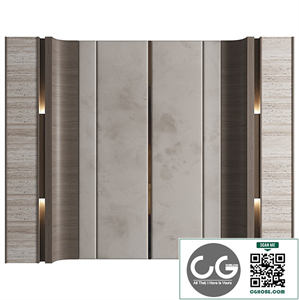
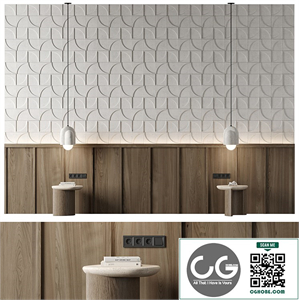
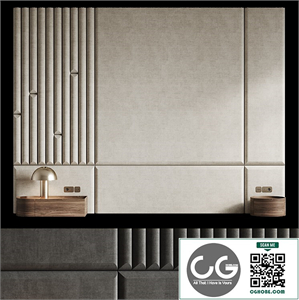
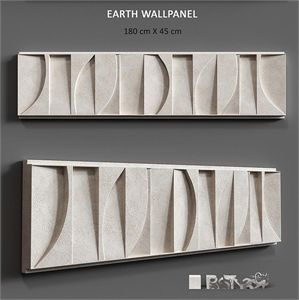
* _Wall Cladding_: _Stone_ cladding provides both aesthetic and functional benefits, adding texture, warmth, and durability to interior and exterior walls. The verticality of walls allows for the display of the inherent patterns and colours of the _stone_, creating a visually arresting feature.
* _Countertops_: In kitchens and bathrooms, _stone_ countertops combine beauty and functionality. _Granite_, _marble_, _quartzite_, and _engineered stones_ offer a variety of options to suit different design styles and budgets. The tactile quality of _stone_ adds a significant layer of sensory appeal to these high-use areas.
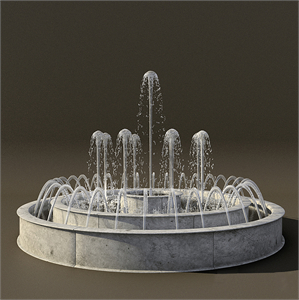
* _Landscaping_: _Stone_ plays a crucial role in landscaping, creating pathways, retaining walls, and decorative features. The integration of _stone_ with natural elements like plants and water features seamlessly connects indoor and outdoor spaces, enhancing the overall aesthetic and ecological harmony.
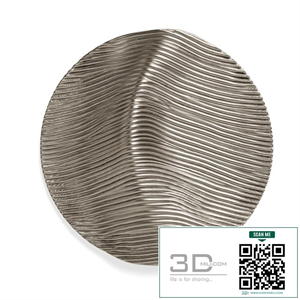
* _Sculptural Elements_: The ability of _stone_ to be shaped and carved into intricate forms continues to inspire artists and designers. Sculptural elements made from _stone_, whether integrated into a larger design or standing alone as focal points, add a unique artistic dimension to a space.
Current trends indicate a move towards a more sustainable and responsible use of _stone_. Designers are increasingly incorporating locally sourced _stone_ and recycled materials, minimizing environmental impact while embracing the unique character of regionally specific _stone_ types. This focus on sustainability not only aligns with growing environmental awareness but also contributes to a unique sense of place and regional identity within design.
### Part 4: The Future of Stone in Design
The enduring appeal of _stone_ ensures its continued relevance in future design trends. Its inherent properties, coupled with ongoing technological advancements in material processing and fabrication techniques, suggest a bright future for _stone_ in the design world. New finishes, colours, and applications are continuously being developed, broadening the design possibilities further. The focus on sustainability will likely drive innovation in sourcing and recycling methods, enhancing the environmental credentials of _stone_ and promoting its continued use as a responsible and aesthetically pleasing design element. The timeless quality of _stone_, its inherent ability to connect us to the earth, and its remarkable adaptability, ensure that it will remain a cornerstone of design for generations to come.