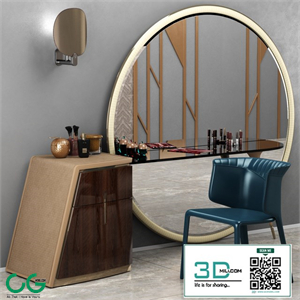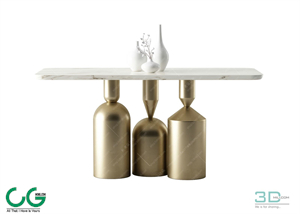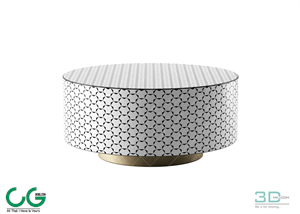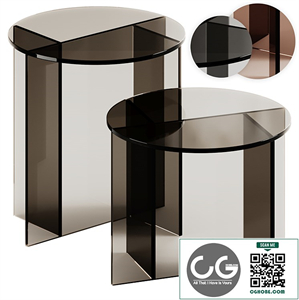
## The Allure of the Table: A Deep Dive into Design and Functionality
The seemingly simple *table* is far more than just a piece of furniture; it's a fundamental element of human civilization, a versatile surface that has adapted and evolved alongside our needs and aesthetics for millennia. From ancient stone slabs to sleek, modern designs, the *table*'s enduring presence speaks volumes about its inherent utility and its capacity for symbolic representation. This exploration delves into the multifaceted world of *table* design, examining its historical context, functional considerations, material choices, and the impact of style on its overall design.
### Part 1: A Historical Perspective on the Table
The history of the *table* is a fascinating journey through human ingenuity and cultural evolution. Early iterations were rudimentary, serving primarily as elevated platforms for food preparation and consumption. Ancient civilizations, including the Egyptians, Greeks, and Romans, utilized *tables* crafted from stone, wood, or even intricately woven materials. These early *tables* often reflected the social hierarchy of the time, with elaborate, ornate designs reserved for the elite, while simpler *tables* were used by the common people. The *table*'s role was primarily functional; its aesthetic qualities were secondary to its practical use.
The medieval period saw the emergence of more elaborate *tables*, often featuring trestle supports and intricately carved details. These *tables*, often foldable and portable, reflected a growing appreciation for both functionality and aesthetics. The Renaissance brought a renewed interest in classical design, influencing *table* styles with graceful proportions and decorative motifs. The rise of craftsmanship and the availability of more refined materials led to increasingly sophisticated designs. The *table* evolved from a purely utilitarian object to a statement piece, reflecting the wealth and status of its owner.
The 18th and 19th centuries witnessed a flourishing of *table* styles, ranging from the ornate grandeur of Baroque and Rococo designs to the simpler elegance of Georgian and Regency pieces. The Industrial Revolution brought about changes in manufacturing techniques, leading to the mass production of *tables* and a wider range of affordable styles. This period saw the development of new materials, including cast iron and various types of metal, expanding the possibilities for *table* design. The evolution of the *table* thus mirrors broader social and technological changes, reflecting shifts in taste, manufacturing capabilities, and cultural values.
### Part 2: Functionality and Form: The Interplay in Table Design
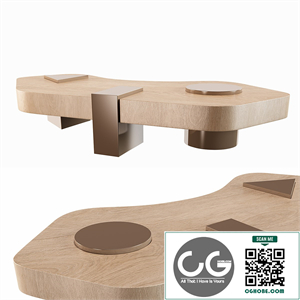
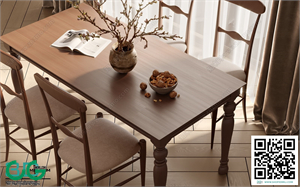
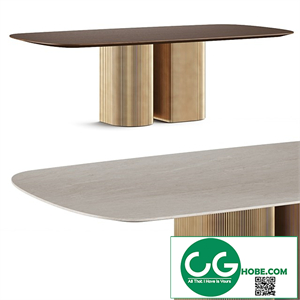
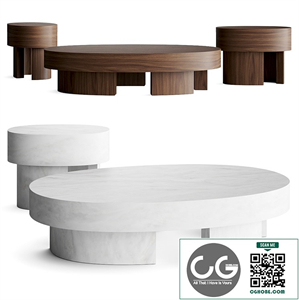
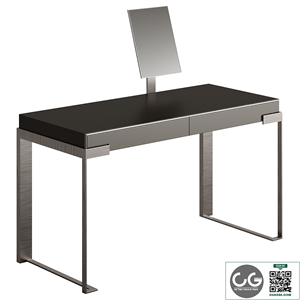
The design of a *table* is inherently intertwined with its intended function. A dining *table*, for example, demands a certain sturdiness and spaciousness to accommodate food and diners comfortably. Its height must be appropriate for seated individuals, and the surface should be easily cleaned and maintained. In contrast, a coffee *table* prioritizes a lower height, allowing for easy access from a seated position, often prioritizing aesthetic appeal over sheer surface area. A work *table*, on the other hand, emphasizes practicality and organization, featuring drawers, shelves, and sufficient surface area for tools and materials.
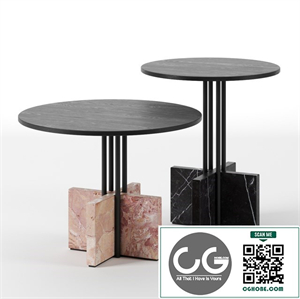
The *table's* function dictates not only its size and shape but also its material composition and structural integrity. A sturdy *table* made from hardwood is ideal for heavy use, while a lighter, more delicate *table* might suffice for decorative purposes. The choice of materials and construction techniques is crucial in ensuring the longevity and functionality of the *table*. Consider a side *table*: its primary function is often to provide a readily accessible surface for drinks or books, and therefore its design will often prioritize portability and style over immense structural strength.
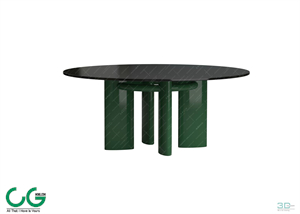
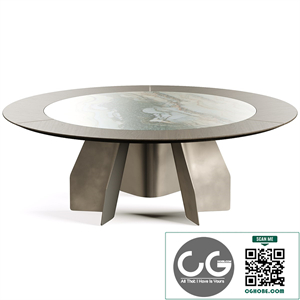
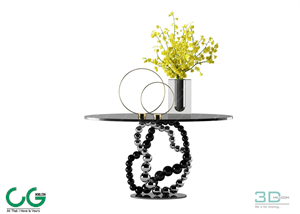
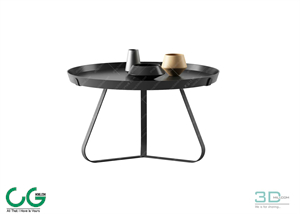
The shape of the *table* also significantly impacts its functionality. Rectangular *tables* are ideal for formal dining settings, while round or oval *tables* promote a more casual and inclusive atmosphere. Square *tables* offer a compact and efficient solution for smaller spaces, while uniquely shaped *tables* can become focal points, adding a touch of whimsy or artistic flair to a room. The interplay between form and function is thus a defining characteristic of successful *table* design. A well-designed *table* seamlessly integrates its aesthetic qualities with its practical purpose, creating a piece that is both beautiful and useful.
### Part 3: Materials and Aesthetics: Shaping the Table's Identity
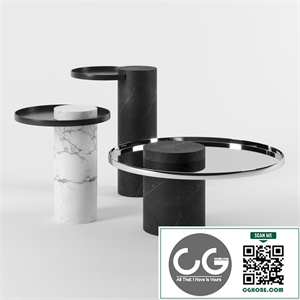
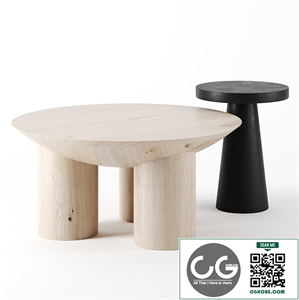
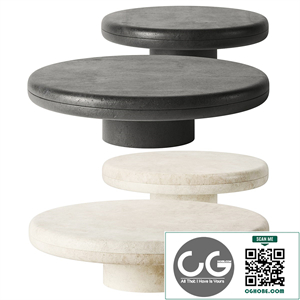
The material chosen for a *table* profoundly impacts its aesthetic and functional qualities. Traditional materials like wood, stone, and metal continue to dominate *table* production, offering a diverse range of textures, colors, and durability levels. Hardwoods like oak, mahogany, and walnut are prized for their strength, beauty, and longevity, often featuring unique grain patterns that add character to the design. Stone *tables*, particularly those made from marble or granite, exude an air of sophistication and elegance, while metal *tables*, made from steel, wrought iron, or aluminum, offer a modern and industrial aesthetic.
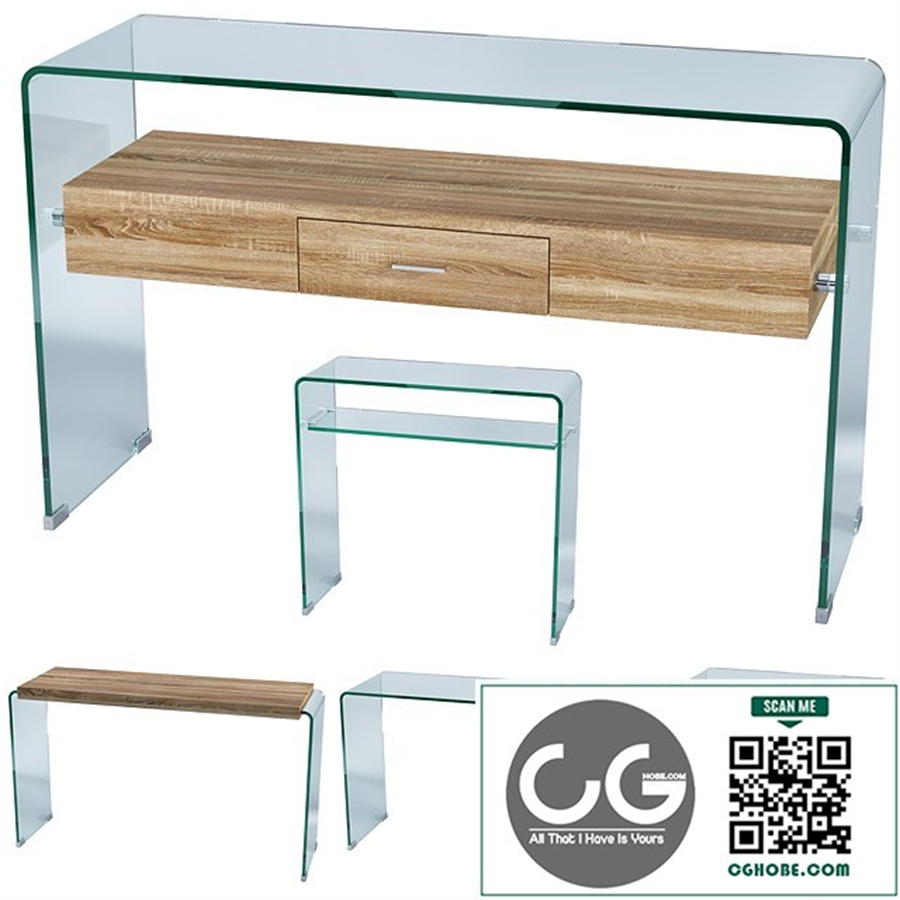
The finishing process applied to the *table's* material also plays a significant role in its overall appearance. Wood *tables* may be stained, painted, or varnished, altering their color and texture to suit different styles. Metal *tables* may be polished, powder-coated, or left with a raw, industrial finish. The choice of finish reflects the desired aesthetic, contributing to the overall character of the piece. Beyond traditional materials, contemporary *table* designs experiment with innovative materials like glass, acrylic, and recycled materials, pushing the boundaries of design and sustainability.
The aesthetic of a *table* is intrinsically linked to broader design trends and cultural influences. Minimalist designs emphasize clean lines and simple forms, while ornate styles incorporate elaborate carvings, inlay work, and decorative elements. Different styles – from rustic to modern, Victorian to mid-century – impart unique character to the *table*, reflecting the period and context in which it was designed. The choice of material, finish, and overall style allows for an extraordinary level of personalization and expression, making the *table* not just a functional piece of furniture but also a reflection of personal taste and artistic sensibility.
### Part 4: The Table as a Focal Point: Style and Context
The *table* transcends its purely functional role, serving as a focal point within a space and a symbolic representation of gathering, community, and shared experiences. The placement of a *table* significantly impacts the flow and atmosphere of a room. A large dining *table* acts as the centerpiece of a dining area, drawing people together. A coffee *table* in a living room provides a gathering point for conversation and relaxation. The *table*’s design also contributes to the room's overall aesthetic, influencing its style and character.
The *context* in which a *table* is used significantly shapes its design and function. A rustic *table* made from reclaimed wood might be ideal for a farmhouse kitchen, while a sleek, minimalist *table* would be more suitable for a modern living space. The integration of a *table* into a room’s design involves a holistic consideration of its surroundings, including the color palette, other furniture, and the overall mood of the space. A well-placed and well-designed *table* not only performs its function efficiently but also enhances the aesthetic appeal and functionality of the entire room.
### Part 5: The Future of Table Design: Innovation and Sustainability
The future of *table* design is shaped by evolving technological advancements, growing awareness of environmental sustainability, and shifting consumer preferences. Innovation in materials science is leading to the development of new, high-performance materials that are both durable and eco-friendly. Recycled and sustainable materials are increasingly being incorporated into *table* designs, reflecting a broader movement towards environmentally responsible manufacturing practices.
Technological advancements in manufacturing techniques allow for greater precision and customization in *table* production. Digital design tools and 3D printing are revolutionizing the way *tables* are created, enabling the production of complex and intricate designs that would have been impossible using traditional methods. Furthermore, smart *tables* incorporating technology such as integrated charging ports and interactive displays are emerging, blurring the lines between furniture and technology.
The focus on sustainability is not just limited to material selection; it also extends to the entire lifecycle of the *table*, from its production to its eventual disposal or repurposing. Designers are increasingly incorporating circular economy principles, ensuring that *tables* are designed for durability, repairability, and eventual recyclability. The future of the *table*, therefore, is one of innovation, sustainability, and increased personalization, reflecting an evolving relationship between design, technology, and the environment. The seemingly simple *table* continues to evolve, adapting to our changing needs and expectations while retaining its essential role as a central element of our lives.