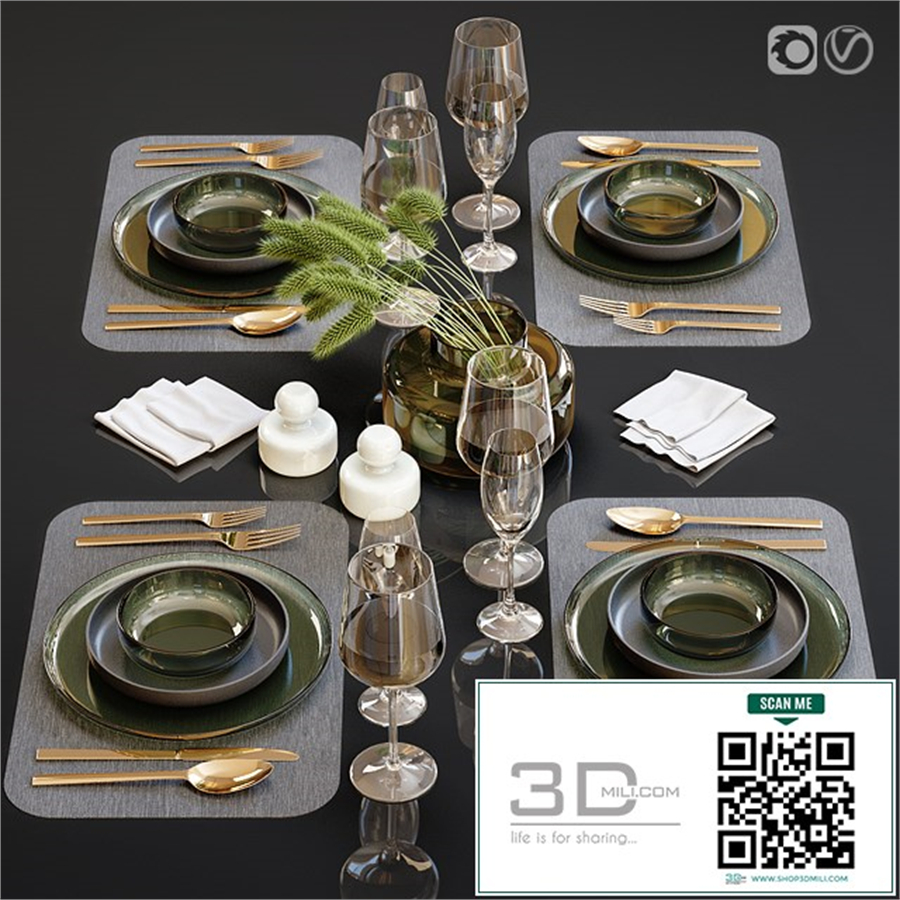
## Table Setting 23: A Deep Dive into Modern Elegance
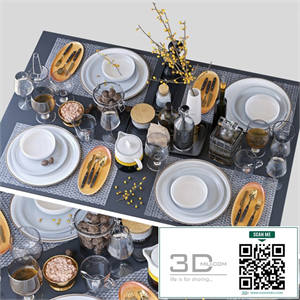
Table Setting 23 isn't just about arranging silverware and plates; it's a *statement*. It's a carefully curated *experience*, designed to evoke a specific mood and enhance the enjoyment of a meal. This design, unlike many others, prioritizes a *modern aesthetic* while retaining a sense of *classic elegance*. It's a balance of *simplicity* and *sophistication*, easily adaptable to various occasions, from intimate dinners to larger gatherings.
### Part 1: The Foundation – Color Palette and Materials
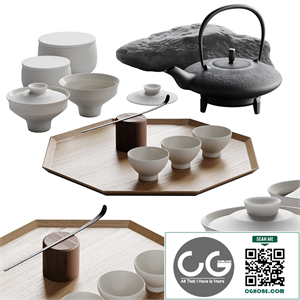
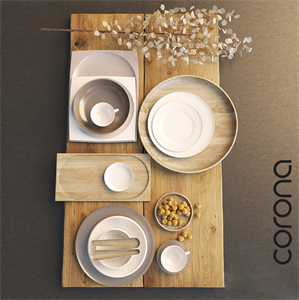
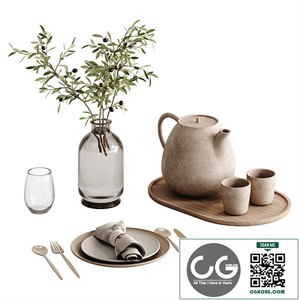
The *core* of Table Setting 23 lies in its carefully chosen *color palette*. We move away from traditional, heavily saturated hues and embrace a more *neutral*, *refined* approach. Think *soft greys*, *warm whites*, and subtle hints of *natural wood*. This palette provides a *versatile base*, allowing you to incorporate pops of color through your chosen *centerpiece* or *additional accents* without overwhelming the eye.
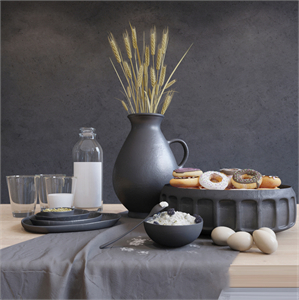
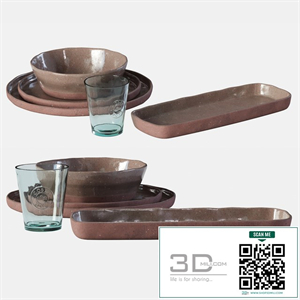
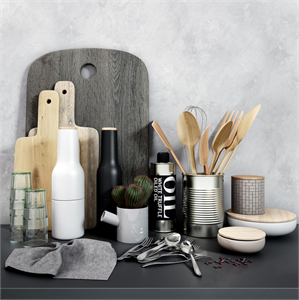
The *materials* are equally crucial. We prioritize *natural textures*. Think *linen napkins*, *smooth stoneware plates*, and the warm grain of *oak or walnut*. These natural materials add a *sense of tactility* and *groundedness*, creating a feeling of *comfort* and *sophistication*. The absence of overtly shiny or plastic elements contributes to the design's overall *minimalistic* feel. This restraint allows the *subtle beauty* of the materials themselves to shine. The use of *high-quality materials* further elevates the dining experience, suggesting a level of care and intentionality.
*Key Materials:* Linen, stoneware, oak/walnut, brushed silver or matte gold.
### Part 2: Layering and Proportion – Achieving Visual Harmony
The true artistry of Table Setting 23 lies in its *layering* and attention to *proportion*. It's not simply about placing items on the table; it's about creating a *visual rhythm*. The *placement* of each element – from the dinner plate to the smallest condiment dish – is meticulously considered.
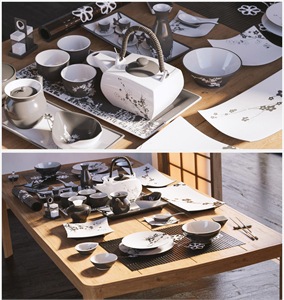
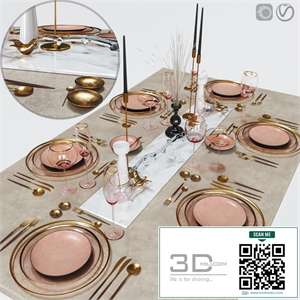
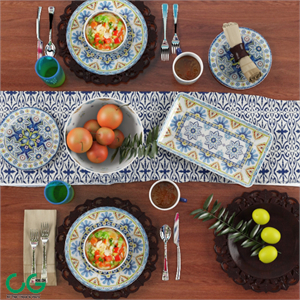
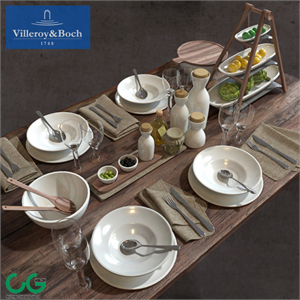
The *foundation* is always the *dinner plate*, positioned centrally. Next, the *salad plate* is placed slightly to the *left* and *overlapping* the dinner plate. This subtle overlap adds visual interest without appearing cluttered. The *silverware* is arranged in a *logical sequence*, based on the order of courses. Forks go on the left, knives on the right (blade facing the plate), and spoons on the right of the knives. *Dessert spoons* or *forks* can be added above the dinner plate.
The *proportion* of the elements is equally important. We avoid overly large or small items, maintaining a *balanced visual weight*. This *subtlety* creates a sense of *refinement*. The *space* between items is also crucial; too much space can look sparse, while too little can appear cramped. The aim is to create a feeling of *airy elegance*.
*Key Considerations:* Overlap, logical placement, visual weight, spacing.
### Part 3: Adding Personality – Centerpieces and Accents
While Table Setting 23 prioritizes *minimalist elegance*, it doesn't sacrifice *personality*. This is where the *centerpiece* and *additional accents* come into play. These are the opportunities to inject your own style and create a truly *unique setting*.
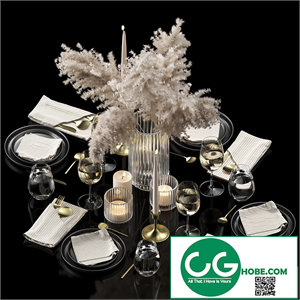
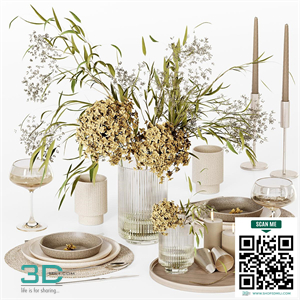
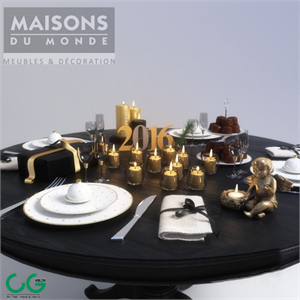
The *centerpiece* shouldn't compete with the overall design; rather, it should *complement* it. Simple, natural elements work best: a low arrangement of *greenery*, a collection of *textured candles*, or a bowl of *seasonal fruits*. Avoid anything overly elaborate or distracting. The goal is to create a *focal point* without overpowering the rest of the setting.
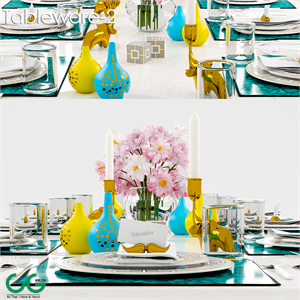
*Accents* are the smaller details that add personality. This might include *cloth napkins* folded creatively, *decorative place cards*, or small *bouquets* of flowers strategically placed. These small touches add *layers of interest* and help personalize the table setting to the *specific occasion*.
*Key Elements:* Subtle centerpiece, natural accents, personalized details.
### Part 4: Adapting to Different Occasions
The versatility of Table Setting 23 is one of its greatest strengths. It can be adapted to suit a wide range of *occasions*.
For a *formal dinner party*, you might incorporate more *refined glassware*, a *more elaborate centerpiece*, and *personalized place cards*. The *linen napkins* could be folded more formally, and you might even include a *charger plate* under the dinner plate.
For a *casual gathering*, you can simplify the setting. Remove the extra plates, opt for simpler silverware, and use a more *relaxed centerpiece*. The overall aesthetic remains elegant, but the *feeling* is more relaxed and inviting.
The *key* is to maintain the *foundation* of the design – the neutral color palette, the natural materials, and the attention to layering and proportion – while adjusting the *details* to suit the specific *occasion*. This adaptability ensures that Table Setting 23 remains relevant and stylish, regardless of the context.
*Key Adaptations:* Formal vs. casual variations, maintaining the core principles.
### Part 5: The Essence of Table Setting 23
Table Setting 23 ultimately strives for a sense of *timeless elegance*. It is a design that transcends fleeting trends and focuses on the *fundamental principles* of *good design*: *simplicity*, *balance*, and *harmony*. It's about creating a setting that is both *beautiful* and *functional*, a space where people can connect and enjoy a meal in comfort and style.
It is a celebration of *intentionality*. Each element is thoughtfully considered, contributing to the overall *aesthetic cohesion*. It's a design that invites *interaction*, encouraging conversation and shared moments. It’s more than just a pretty table; it’s a *setting for memories*.
The *beauty* of Table Setting 23 lies in its *simplicity*. It doesn't need excessive ornamentation or extravagant displays to achieve its elegant effect. It's a *reminder* that sometimes, the most beautiful things are the most understated. And that, in itself, is a *powerful statement*.