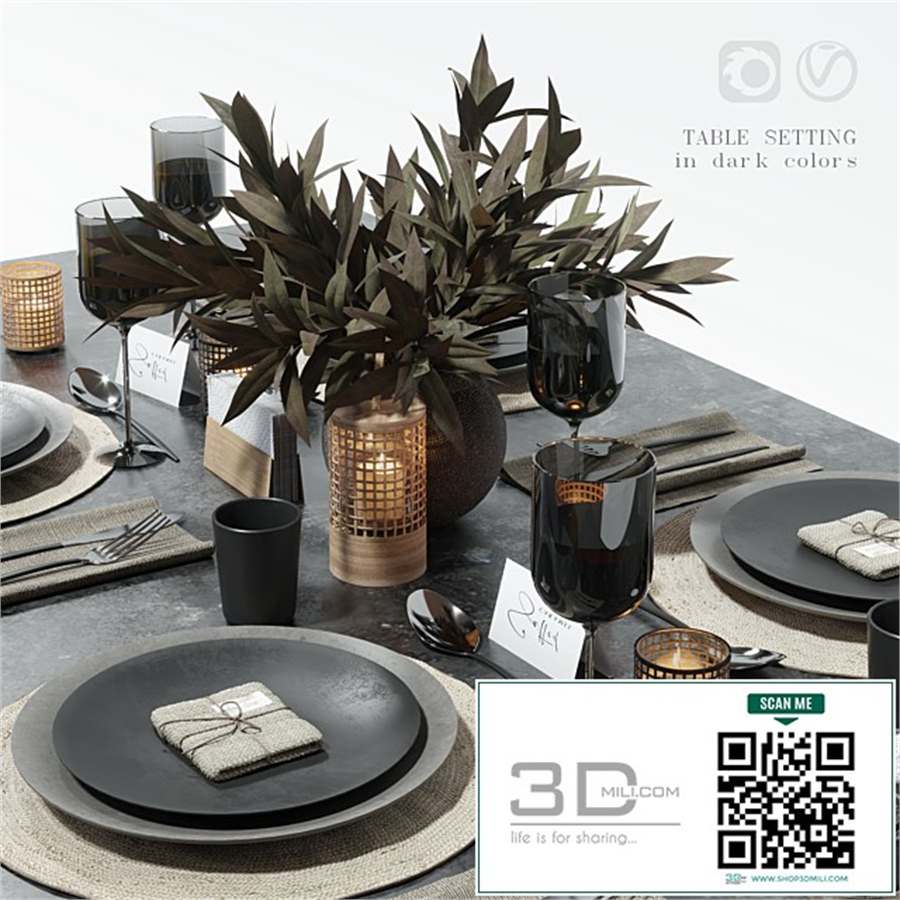
## The Allure of Darkness: Exploring Table Settings in Deep Hues
The traditional image of a table setting often conjures bright whites, pastels, and gleaming silverware. But a new wave of sophisticated elegance is emerging, embracing the dramatic and mysterious allure of _dark color palettes_. Moving beyond the expected, dark table settings offer a unique opportunity to create a mood, showcase textures, and elevate the dining experience to a level of refined intensity. This exploration delves into the artistry and versatility of incorporating dark colors into your table setting, showcasing its suitability for various occasions and styles.
### Part 1: The Psychology of Dark Table Settings
Before diving into the practical aspects of design, it's crucial to understand the psychological impact of dark colors. While some might initially associate darkness with gloom, a carefully curated dark table setting evokes a sense of _sophistication_, _mystery_, and _intimacy_. Dark hues create a dramatic backdrop that allows other elements, like lighting and textures, to truly shine. Think of a starlit night sky – the darkness serves as a canvas highlighting the brilliance of the celestial bodies. Similarly, a dark table setting provides a rich foundation to showcase the beauty of your tableware, linens, and centerpieces.
The choice of specific dark colors further influences the overall mood. Deep _blues_ create a sense of serenity and tranquility, while rich _greens_ evoke feelings of nature and growth. _Black_, often considered the ultimate symbol of elegance, adds a touch of modern drama and versatility. _Burgundy_ and _deep purples_ inject a sense of richness and royalty. The key is choosing a shade that aligns with the desired ambiance and the occasion. A deep blue might be ideal for a romantic dinner, while a sophisticated black would be perfect for a formal event. Consider the psychological impact of your chosen color palette and how it will influence the overall dining experience.
### Part 2: Choosing the Right Dark Hues for Your Table
The spectrum of dark colors is vast, allowing for considerable creativity and personalization. However, successful integration relies on thoughtful selection. Here's a closer look at some popular dark hues and their applications in table settings:
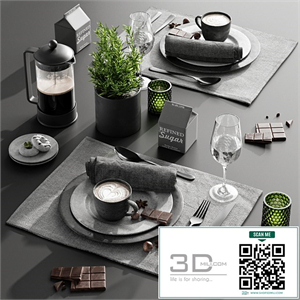
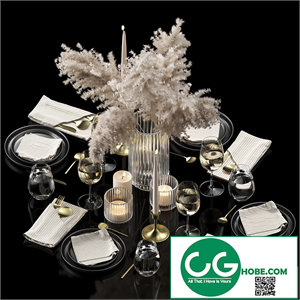
* _Black_: The most versatile dark color, black offers an unparalleled sense of drama and modernity. It can be paired with almost any accent color, from gold and silver to pops of vibrant hues. A black tablecloth provides a striking foundation, enhancing the visual impact of other elements. However, careful consideration should be given to lighting; sufficient illumination is crucial to avoid a feeling of heaviness.
* _Navy Blue_: A classic and sophisticated choice, navy blue evokes feelings of calmness and elegance. It works beautifully with white or cream accents, creating a clean and refined look. Consider incorporating natural elements like wood or linen to add warmth and texture. Navy blue is a fantastic option for both casual and formal settings.
* _Deep Green_: A color associated with nature and growth, deep green brings a touch of the outdoors in. It pairs well with metallics like gold or copper, creating a luxurious and earthy ambiance. Natural textures like wood and woven placemats complement this hue exceptionally well. Deep green is a versatile choice for both rustic and contemporary settings.
* _Burgundy/Maroon_: These rich, jewel-toned colors add a touch of opulence and sophistication. They evoke feelings of warmth and luxury, making them ideal for special occasions or intimate gatherings. Burgundy pairs beautifully with gold or cream accents, creating a regal and elegant setting.
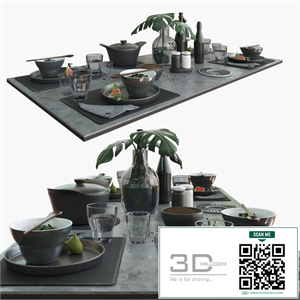
* _Charcoal Grey_: A more subdued alternative to black, charcoal grey offers a sophisticated yet understated elegance. It creates a neutral backdrop that allows other colors and textures to stand out. It's a versatile option for a variety of settings and styles.
### Part 3: Harmonizing Textures and Materials
The success of a dark table setting relies heavily on the interplay of textures and materials. The dark colors act as a backdrop that accentuates the tactile elements, creating a multi-sensory dining experience. Avoid a monotonous look by layering various materials:
* _Linens_: A dark tablecloth sets the stage, but don't stop there. Consider incorporating linen napkins in a complementary color or texture. A subtly patterned linen tablecloth can add visual interest without overwhelming the setting.
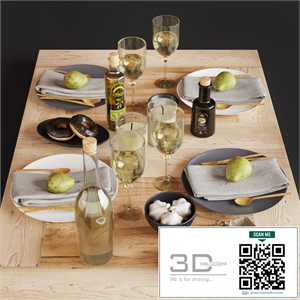
* _Placemats_: Woven placemats in natural materials like rattan, jute, or seagrass add warmth and visual contrast against the dark tablecloth. Alternatively, sleek, dark-colored placemats in leather or polished wood can create a more modern and sophisticated look.
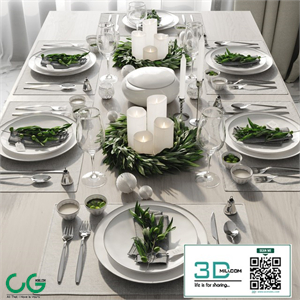
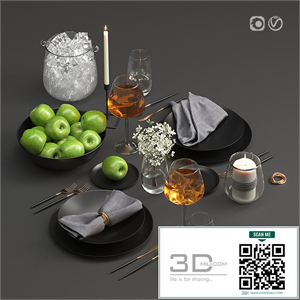
* _Tableware_: The choice of dinnerware significantly impacts the overall aesthetic. Consider using white or cream-colored plates to provide a bright contrast against the darker background. Alternatively, darker-hued dinnerware in black, navy, or deep green can create a more cohesive and dramatic effect. Mixing and matching different shades and textures can add depth and sophistication.
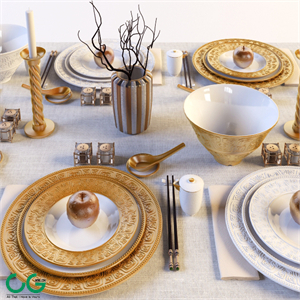
* _Cutlery and Glassware_: Metallic cutlery, particularly silver or gold, adds a touch of shine and elegance against the dark backdrop. Consider using glassware with interesting textures or designs to further enhance the visual appeal.
### Part 4: Illumination and Centerpieces: Bringing it All Together
Lighting plays a crucial role in shaping the mood and highlighting the details of a dark table setting. Avoid harsh overhead lighting, opting instead for softer, warmer illumination. Consider using:
* _Candles_: Candles add a romantic and intimate ambiance to any table setting. Choose candles in various heights and colors to create visual interest.
* _Table Lamps_: A small table lamp can provide focused illumination for a more intimate setting.
* _Fairy Lights_: Subtle fairy lights can create a magical and whimsical atmosphere.
The centerpiece acts as the focal point of the table setting. It should complement the chosen color scheme and enhance the overall mood. Consider incorporating:
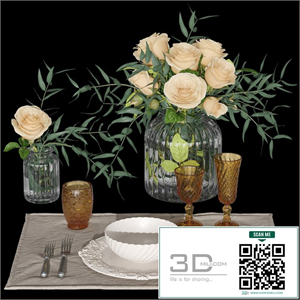
* _Flowers_: Dark-colored flowers like deep red roses or black calla lilies can add a dramatic touch. Alternatively, lighter-colored flowers can provide a beautiful contrast against the dark setting.
* _Natural Elements_: Branches, leaves, or pinecones can add a touch of nature and texture.
* _Ornamental Pieces_: Sculptural pieces or decorative bowls filled with stones or candles can create a visually appealing centerpiece.
### Part 5: Dark Table Settings for Different Occasions
The versatility of dark table settings extends across a range of occasions:
* _Formal Dinners_: A dark setting with elegant linens, metallic cutlery, and sophisticated centerpieces creates an air of sophistication and refinement.
* _Romantic Dinners_: Deep blues or burgundies paired with candlelight and soft lighting set a romantic and intimate mood.
* _Casual Gatherings_: A dark tablecloth paired with rustic placemats and natural elements creates a relaxed and inviting atmosphere.
* _Holiday Celebrations_: Dark colors can provide a sophisticated backdrop for holiday décor. For Halloween, a deep black or purple setting can create a spooky and fun atmosphere. For Christmas, a deep green or burgundy setting can add a touch of elegance and warmth.
The key to successfully incorporating dark colors into your table settings is balance and intentionality. By carefully choosing colors, textures, and lighting, you can create a truly unique and memorable dining experience that celebrates the drama and sophistication of the darker side of design. The result is a captivating setting that moves beyond the expected, creating a visually stunning and emotionally resonant atmosphere.