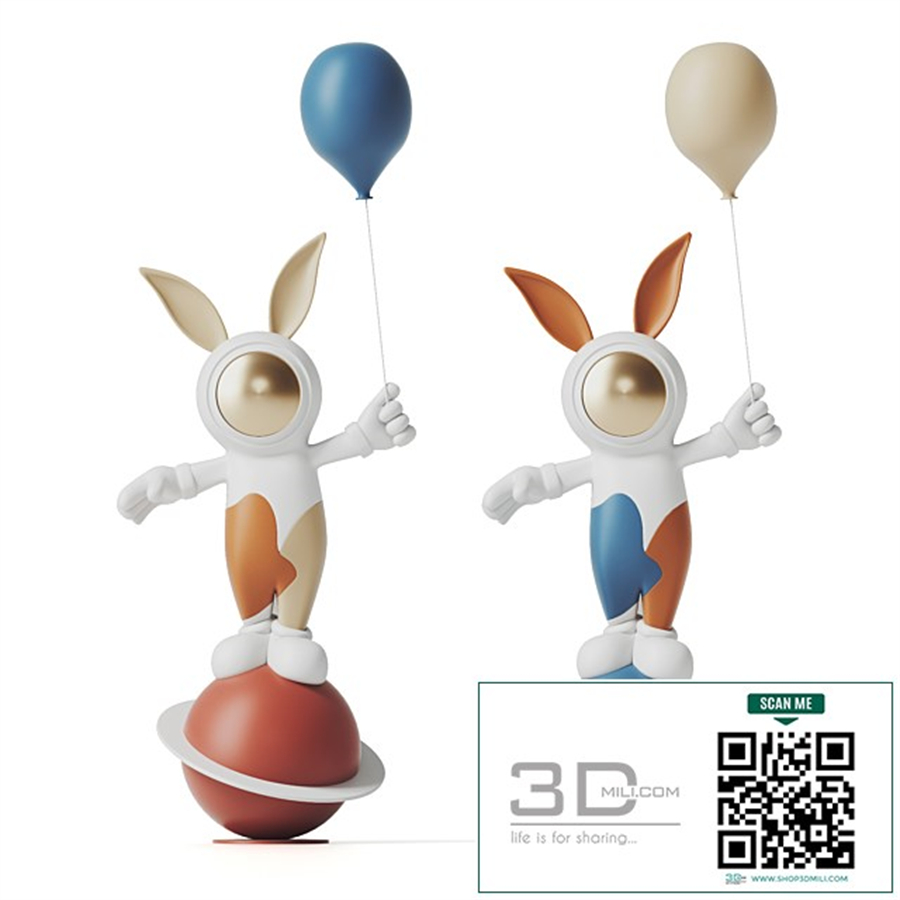
## The Rabbit Sculpture: A Deep Dive into Form, Material, and Meaning
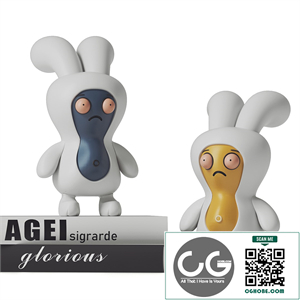
This document explores the design and conceptual underpinnings of a proposed rabbit sculpture, delving into the multifaceted aspects that inform its creation. We will examine the *form*, the chosen *materials*, the intended *meaning*, and the overall *impact* the sculpture aims to achieve. This isn't merely a description of a rabbit statue; it's an exploration of the artistic process and the deliberate choices made to imbue the piece with depth and resonance.
### Part 1: Conceptualization – Beyond the Cute and Fuzzy
The ubiquitous image of the rabbit – often associated with cuteness, gentleness, and even timidity – provides a fertile ground for artistic interpretation. However, this sculpture aims to transcend the simplistic, venturing into a more complex and multifaceted representation. The initial concept moves beyond the purely *aesthetic*, striving for a piece that evokes *emotional responses* and sparks *intellectual engagement*. The chosen form, material, and even the placement of the sculpture will be instrumental in shaping this experience. The goal isn't just to create a *decorative object*, but a *statement piece* that can initiate dialogue and prompt reflection.
The *symbolism* of the rabbit itself is rich and varied. Across cultures, it has been associated with *fertility*, *abundance*, *longevity*, but also *trickery*, *mystery*, and even *death* in certain contexts. Our design will draw upon these diverse interpretations, aiming for a nuanced portrayal that avoids simplistic categorization. We will carefully consider how the *pose*, the *expression*, and the overall *posture* of the rabbit can convey these multiple layers of meaning. The final piece aims to be *ambiguous* enough to allow for personal interpretation, yet suggestive enough to provoke thoughtful consideration. This deliberate ambiguity is key to creating a piece that transcends fleeting trends and remains relevant over time.
### Part 2: Form and Posture – Shaping the Narrative
The *form* of the rabbit sculpture is arguably its most crucial aspect. We envision a sculpture that departs from the idealized, cartoonish renderings commonly found in popular culture. Instead, we aim for a representation that is both *realistic* and *stylized*. The *anatomical accuracy* will be paramount, yet the piece will incorporate deliberate *artistic liberties*. This balance between realism and stylization will be achieved through a careful manipulation of *proportions*, *lines*, and *textures*.
The *posture* of the rabbit is equally critical in conveying the intended meaning. A *relaxed, lounging posture* might suggest peace and contentment, whereas a *tense, alert posture* might hint at vulnerability or apprehension. The *angle of the head*, the *placement of the ears*, and the *position of the limbs* will all contribute to the overall narrative. We will experiment with various *poses* and *compositions* to find the one that best embodies the desired emotional resonance. The ultimate goal is a posture that is both *dynamic* and *thought-provoking*, inviting the viewer to engage with the piece on a deeper level. The *use of negative space* surrounding the figure will also be crucial in defining the sculpture's overall impact.
### Part 3: Materiality – Choosing the Right Medium
The *material* selected for the sculpture is a crucial determinant of its final aesthetic and longevity. Several options have been considered, each offering unique possibilities and limitations:
* Bronze: A *classic choice* for sculpture, bronze offers *durability*, *timelessness*, and a *rich patina* that develops over time. The inherent *weight* and *texture* of bronze would contribute to a sense of presence and gravitas. However, the *cost* of bronze casting is a significant consideration.
* Stone: Using *stone* (perhaps marble or granite) would lend a sense of *permanence* and *strength*. The *natural texture* of the stone could beautifully complement the organic forms of the rabbit. Different types of stone offer varying degrees of *smoothness* and *roughness*, allowing for further creative control. However, stone is *difficult to work with* and requires specialized skills.
* Steel: The use of *steel* could introduce an element of *modernity* and *industrial aesthetic*. The *coldness* of the steel could contrast sharply with the soft image often associated with rabbits, creating a powerful juxtaposition. The *potential for surface treatment* (e.g., patination, polishing) is considerable. However, steel requires careful consideration of *weathering* and *corrosion*.
The final choice of material will depend on a careful weighing of these factors, taking into account both the artistic vision and the practical constraints of fabrication and maintenance. The chosen material will directly influence the *texture*, *color*, and *overall feel* of the finished sculpture.
### Part 4: Impact and Placement – Contextualizing the Art
The impact of the rabbit sculpture will be significantly influenced by its *placement* and the *surrounding environment*. A sculpture placed in a *busy urban setting* might be experienced differently than one nestled in a *serene natural landscape*. The *scale* of the sculpture relative to its surroundings will also play a crucial role. A small, intimate sculpture might invite close observation and personal reflection, while a large, imposing sculpture might dominate its environment and inspire awe.
The *lighting* conditions will also affect the perceived *mood* and *atmosphere* of the sculpture. The interplay of *light and shadow* can dramatically alter the visual impact of the piece, highlighting certain features and obscuring others. We will carefully consider the *orientation* of the sculpture to maximize the potential for engaging interplay of light and shadow.
The intended *audience* for the sculpture also needs careful consideration. Is it intended for a *public space*, a *private collection*, or a *museum setting*? Each context demands a different approach to design and execution. The ultimate goal is to create a piece that is both aesthetically pleasing and deeply meaningful, regardless of its specific location. The sculpture should contribute positively to its surroundings, adding value and enriching the experience of the viewer.
### Part 5: Beyond the Object – A Legacy of Art
Ultimately, the rabbit sculpture is envisioned as more than just a decorative object. It is intended as a piece that evokes emotions, stimulates thought, and transcends the limitations of its physical form. It is a testament to the power of art to communicate complex ideas and engage viewers on multiple levels.
The *legacy* of this sculpture will be shaped not only by its aesthetic qualities, but also by its ability to resonate with audiences over time. The *enduring power* of the rabbit as a symbol, combined with the deliberate artistic choices made in its design and placement, should ensure that this sculpture continues to inspire and provoke long after its creation. The hope is that it becomes a *point of reference*, a *source of contemplation*, and a lasting contribution to the artistic landscape. The *process* of creating this sculpture, the *choices made*, and the final *product* will all contribute to this lasting legacy, shaping how it is perceived and remembered by future generations.