## The Rabbit Sculpture: A Multifaceted Exploration
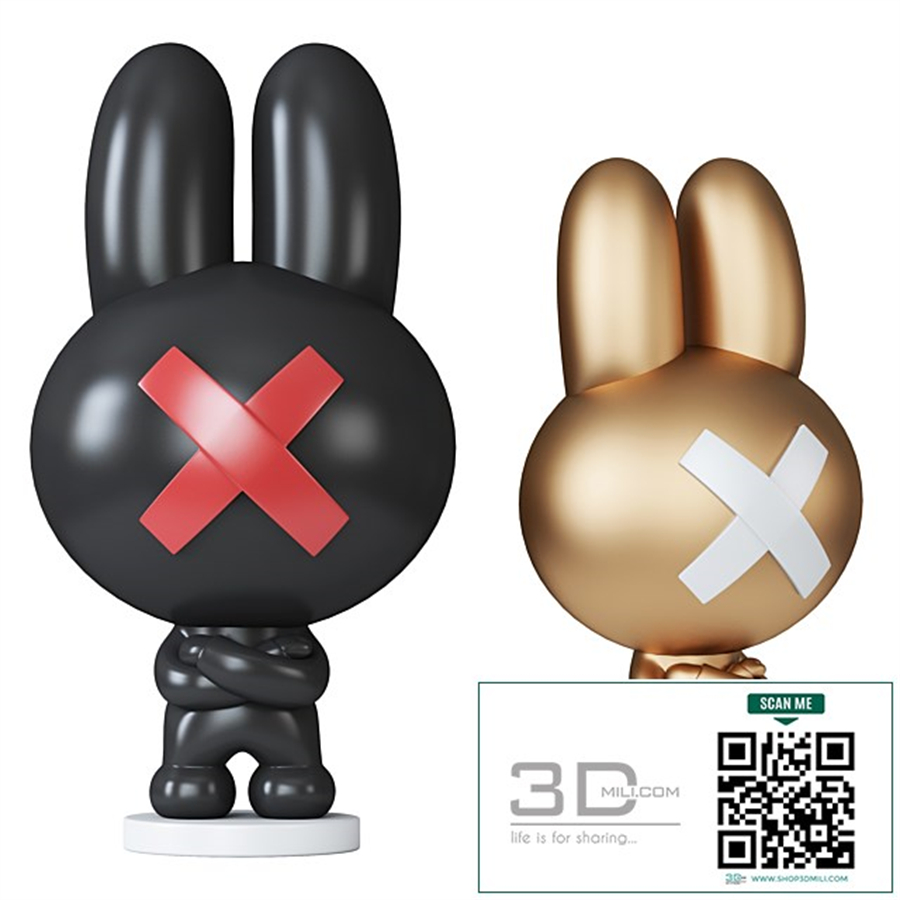
This document delves into the multifaceted aspects of a proposed _rabbit sculpture_, exploring its conceptual origins, artistic influences, material considerations, potential interpretations, and the overall design process. The aim is to provide a comprehensive overview of the project, outlining the key decisions and rationale behind the final form.
Part 1: Conceptual Genesis and Artistic Inspirations
The genesis of this _rabbit sculpture_ lies in a fascination with the paradoxical nature of rabbits. Often perceived as symbols of *innocence* and *fragility*, rabbits also possess an inherent *wildness* and *resilience*. This inherent duality formed the core conceptual framework. The sculpture aims to encapsulate this complexity, presenting not a simplistic depiction, but a nuanced exploration of the creature's multifaceted character.
Several artistic movements and individual artists have influenced the design. The *surrealist* movement, with its emphasis on juxtaposing the *ordinary* and the *unexpected*, provided a significant inspiration. Think of the uncanny juxtapositions found in the work of artists like René Magritte or Salvador Dalí; this influence is evident in the intended interplay of realistic and abstracted elements within the sculpture.
Furthermore, the minimalist aesthetic, with its focus on *form* and *essential lines*, has guided the sculpting process. The sculpture avoids unnecessary detail, prioritizing clean lines and a powerful overall form to evoke a sense of *strength* and *quietude*. We drew inspiration from the elegant simplicity of Constantin Brâncuși’s work, aiming for a similar sense of timeless elegance and power. The influence of Japanese *wabi-sabi*, with its emphasis on embracing imperfection and the beauty of transience, is also evident in the subtle irregularities planned for the final form. This avoids the cold perfection of industrial design, opting instead for a handcrafted, more organically felt outcome.
Part 2: Material Selection and Fabrication Process
The choice of material is crucial in conveying the intended artistic message. After much deliberation, we've selected *bronz*e for its inherent qualities of *durability*, *timelessness*, and *versatility*. Bronze allows for a wide range of surface treatments, enabling us to achieve the desired textures and patinas, ranging from a smooth, polished finish to a more rustic, antiqued look. The *patina*, in particular, will be carefully considered to enhance the sculpture's overall aesthetic and symbolic meaning.
The fabrication process will involve a multi-stage approach. Firstly, a *detailed clay model* will be created, meticulously refining the form and ensuring accurate proportions. This initial model will serve as the basis for a *wax mold*, which will subsequently be used to create the final bronze casting. This *lost-wax casting* technique, a time-honored method, allows for intricate detail and a high degree of control over the final product.
The casting process will be conducted by skilled artisans specializing in bronze work. Their expertise will ensure the highest quality execution, capturing the subtleties of the original clay model and preserving the integrity of the design. Post-casting, the sculpture will undergo a thorough *finishing process*, involving cleaning, smoothing, and the application of the chosen *patina*.
Part 3: Design Elements and Symbolic Interpretations
The sculpture's form is intentionally ambiguous, inviting multiple interpretations. The posture of the rabbit, a subtle *lean* forward, suggests a sense of *alertness* and *preparedness*. This subtle dynamism counterbalances the overall sense of stillness and contemplation that the minimalist aesthetic conveys.
The *size* of the sculpture is also a significant design element. It is intended to be neither overwhelmingly large nor insignificantly small, achieving a balanced scale that invites close observation and contemplation without dominating its surroundings. The overall proportions are carefully considered to embody a sense of *refined elegance* rather than forceful presence. It is a sculpture meant to be *experienced*, not just viewed.
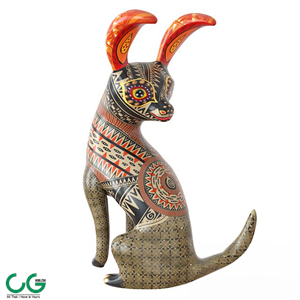
The *ears*, a defining feature of the rabbit, are sculpted with particular attention. They are not merely realistic appendages but rather integral components of the overall form, subtly contributing to the sculpture's overall *balance* and *flow*. Their form conveys both fragility and strength, mirroring the inherent duality of the rabbit itself. The *tail*, subtly rendered, adds to the feeling of naturalness and understated elegance.
Symbolically, the rabbit can be interpreted in various ways. It can represent *fertility*, *longevity*, and *good fortune* in some cultures, while in others it carries associations with *timidity* and *vulnerability*. This sculpture aims to transcend these simplistic interpretations, presenting a more nuanced and complex portrayal of the animal. The viewer is encouraged to engage with the work on a personal level, drawing their own meaning from the subtle details and overall aesthetic.
Part 4: Placement and Contextual Considerations
The intended placement of the sculpture will significantly impact its overall effect. Ideally, it should be situated in a location that enhances its aesthetic appeal and encourages contemplation. A *peaceful*, *natural setting* would be ideal, such as a garden, park, or museum courtyard. However, the sculpture's minimalist aesthetic also lends itself to more urban environments, where it could serve as a quiet counterpoint to the surrounding hustle and bustle.
The surrounding context will heavily influence the viewer's experience. The *lighting*, for instance, will play a crucial role in highlighting the sculpture's form and texture. Natural daylight will bring out the nuances of the bronze patina, while artificial lighting can be used to create a more dramatic and evocative atmosphere. Furthermore, the *surrounding landscaping* and architectural elements will contribute to the overall setting, shaping the viewer's perception of the sculpture and its significance.
The chosen location should complement the sculpture's overall aesthetic and enhance the intended mood. The goal is to create a harmonious relationship between the artwork, its surroundings, and the viewer, leading to a more profound and meaningful experience. Careful consideration will be given to the relationship between the scale of the sculpture and the scale of its environment.
Part 5: Conclusion: A Legacy of Art
This *rabbit sculpture* is more than just a decorative object; it is a statement about the complexities of nature and the power of artistic expression. The integration of artistic influences, careful material selection, meticulous design, and the chosen fabrication process all aim to create a piece that is both aesthetically pleasing and symbolically rich. The sculpture is envisioned as a timeless work of art, capable of inspiring contemplation and provoking dialogue for generations to come. It's a piece designed to engage the viewer emotionally and intellectually, offering a unique and enriching experience. The lasting impact of this sculpture lies in its potential to transcend mere aesthetics, leaving a lasting mark on the viewer's consciousness and contributing to a richer cultural landscape.