## The Evolution of Play: A Deep Dive into Modern Toy Design
The world of toys is a fascinating microcosm of society, reflecting evolving cultural values, technological advancements, and the ever-changing understanding of child development. From simple wooden blocks to complex, interactive robots, the *design* of toys has undergone a dramatic transformation over the centuries. This exploration delves into the key principles, considerations, and innovations that shape modern *toy* design, examining its impact on children's learning, creativity, and overall well-being.
Part 1: The Foundations of Play and Toy Design
The very essence of a *toy* lies in its capacity to stimulate play. Play, in itself, is a fundamental aspect of human development. It's a crucial avenue for learning, socialisation, and emotional expression. Understanding the *psychology* of play is paramount for effective *toy* design. Jean Piaget's work on cognitive development, for instance, highlights the different stages children go through, each requiring distinct types of stimuli and challenges. *Toys*, therefore, shouldn't merely be sources of amusement; they must cater to the specific developmental needs of the child's age group.
A well-designed *toy* will:
* Engage: Capture the child's attention and maintain interest. This often involves incorporating elements of surprise, novelty, and challenge. Think of the satisfying click of a well-made building block or the unpredictable movements of a wind-up *toy*.
* Stimulate: Encourage cognitive, physical, and emotional development. This could involve problem-solving, fine motor skill development, or the expression of emotions through role-playing.
* Be Safe: Adhere to stringent safety standards, ensuring the *toy* is free from hazardous materials and poses no risk of injury. This is a non-negotiable aspect of responsible *toy* *design*.
* Be Durable: Withstand the rigors of enthusiastic play. A *toy* that breaks easily can be both frustrating and disheartening for a child.
* Be Accessible: Consider the child's physical abilities and cognitive understanding. A *toy* should be easy to use and understand, regardless of the child's age or skill level.
Part 2: Materials and Manufacturing in Toy Design
The *materials* used in *toy* manufacture have evolved significantly. Traditional *toys* were often made from wood, cloth, and simple metals. Modern *toy* *design* incorporates a wider range of materials, including plastics, electronics, and even advanced bio-plastics. Each material presents both advantages and disadvantages, impacting the *toy*'s durability, safety, and cost.
* Plastics: Offer versatility, affordability, and ease of molding into complex shapes. However, concerns surrounding environmental impact and potential toxicity necessitate careful selection of plastics and adherence to safety regulations. The trend towards *sustainable toy* design is driving the adoption of recycled and bio-based plastics.
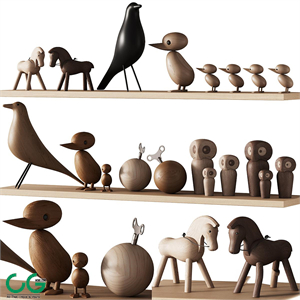
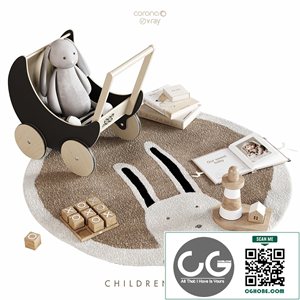
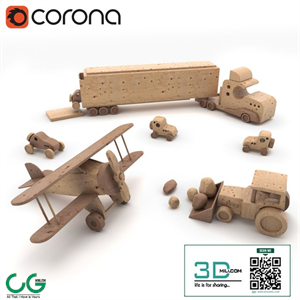
* Wood: A classic and sustainable material, known for its durability and tactile appeal. Wooden *toys* often offer a more natural and sensory experience. However, they can be more expensive and require careful craftsmanship to ensure safety.
* Electronics: Enable the creation of interactive and technologically advanced *toys*, incorporating sensors, motors, and digital displays. This opens up possibilities for educational and entertainment applications, but also necessitates attention to electronic safety and battery life.
The *manufacturing* process itself is also crucial. Ethical sourcing of materials, fair labor practices, and efficient production methods are all essential considerations for responsible *toy* *design*.
Part 3: The Rise of Educational and STEM Toys
The growing emphasis on early childhood education has fueled the development of *educational toys*. These *toys* are specifically designed to enhance learning and development in key areas such as literacy, numeracy, and problem-solving. The rise of the *STEM* (Science, Technology, Engineering, and Mathematics) movement has further shaped *toy* *design*, leading to the creation of *toys* that foster critical thinking, creativity, and scientific exploration.
* Coding Toys: Introduce children to the basics of programming and computational thinking through interactive games and activities. These *toys* often use visual programming languages to make coding accessible and engaging.
* Robotics Kits: Allow children to build and program their own robots, fostering hands-on learning in mechanics, electronics, and programming.
* Science Experiment Kits: Provide engaging and safe ways to explore scientific concepts through hands-on experiments and activities.
The successful *design* of *educational toys* requires a blend of pedagogical expertise and engaging *design* principles. The *toy* must not only teach but also be fun and motivating for the child to use.
Part 4: The Future of Toy Design: Trends and Innovations
The future of *toy* *design* is likely to be shaped by several key trends:
* Sustainability: Growing environmental awareness is pushing the *toy* industry towards more sustainable practices, including the use of recycled and bio-based materials, reduced packaging, and longer-lasting *toy* *designs*.
* Technology Integration: The integration of technology will continue to evolve, with *toys* becoming increasingly interactive and connected. Artificial intelligence, augmented reality, and virtual reality are all likely to play a greater role in future *toy* *designs*.
* Personalization and Customization: The trend towards personalized experiences is likely to extend to *toys*, with *toys* becoming increasingly customizable to individual preferences and learning styles.
* Inclusivity and Accessibility: *Toy* *designers* are increasingly focused on creating *toys* that are inclusive and accessible to children of all abilities and backgrounds. This includes designing *toys* that cater to diverse learning styles and physical limitations.
* Digital Play and Hybrid Models: The line between physical and digital play continues to blur. Hybrid *toys* that blend physical interaction with digital elements are becoming increasingly popular, offering unique learning and play experiences.
The *design* of *toys* is an evolving field, constantly adapting to the needs and aspirations of children, and reflecting advancements in materials science, technology, and our understanding of human development. The future of *toys* promises a continued exploration of engaging, educational, and sustainable play experiences, ensuring that the joy and learning associated with *toys* remain a vital part of childhood for generations to come.