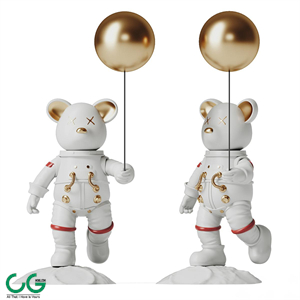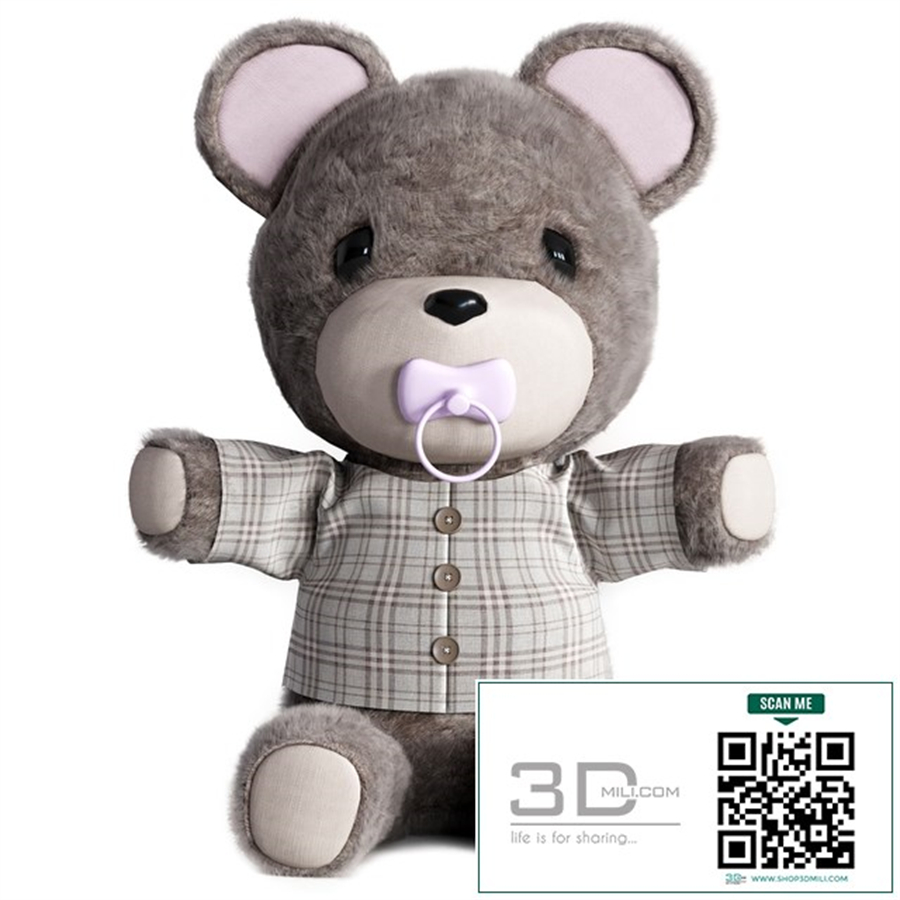
## The Enduring Allure of the *Toy Bear*: A Design Exploration
The *toy bear*, a seemingly simple object, holds a surprisingly complex and multifaceted history within the realm of design. From humble beginnings as crudely crafted imitations of real bears to the highly sophisticated, mass-produced plush companions of today, the evolution of the toy bear reflects broader societal shifts, technological advancements, and enduring psychological needs. This exploration delves into the design elements, cultural significance, and enduring appeal of this iconic *toy*.
Part 1: From Crude Imitation to Cultural Icon – The Genesis of the Toy Bear
The earliest iterations of the *toy bear* weren't the cuddly companions we know today. Early examples, often handcrafted from readily available materials like wood, cloth scraps, or even animal hides, served as rudimentary representations of bears. These early forms, while lacking the refined aesthetics of modern designs, fulfilled a fundamental human desire: to represent and interact with the natural world in a safe and manageable way. The *bear*, a powerful symbol in many cultures, was tamed and rendered harmless through miniature representation. These early *toy bears* were not mass-produced; they were individual creations, reflecting the unique skills and styles of their makers. This handcrafted quality imbued each *toy* with a distinct personality and value. The transition from these early, rudimentary forms to the mass-produced *toy bears* of the industrial age marks a significant shift in the design and production of these objects. This shift was facilitated by advancements in manufacturing techniques, particularly the development of more efficient and affordable materials like *plush fabrics* and *synthetic stuffing*.
The pivotal moment in the evolution of the *toy bear* arguably arrived with the creation of *Steiff bears* in Germany at the end of the 19th century. Margarete Steiff, initially producing small felt elephants, adapted her techniques to create a more lifelike *bear* design. This marked a transition towards a more sophisticated aesthetic, a move away from simple representations to a focus on meticulously crafted details. The *Steiff bear*, with its characteristic button-in-ear and high-quality craftsmanship, quickly gained popularity, setting a new standard for *toy bear* design and paving the way for the mass production and widespread commercialization of the *toy*. This ushered in a new era of *toy bear* design, moving from artisan creations to mass-produced objects of desire. The _Steiff bear_ thus embodies a critical intersection between artistic expression and industrial manufacturing in the history of *toy* design.
Part 2: Design Elements and Aesthetics – The Anatomy of a Toy Bear
The *design* of a *toy bear* encompasses a surprisingly wide range of considerations, extending far beyond simple aesthetics. Key features contributing to a *toy bear's* overall appeal include:
* Fabric Selection: The choice of *fabric* directly impacts the *toy bear's* texture, durability, and aesthetic appeal. Soft, plush fabrics like *minky* or *velvet* enhance the cuddly nature of the *toy*, while durable materials like *cotton* or *canvas* are preferred for more robust *toys* designed for active play. The color and pattern of the *fabric* also contribute to the *toy bear's* overall personality and intended market.
* Construction Techniques: The *construction* of a *toy bear* dictates its durability and longevity. Sophisticated techniques like *reinforced seams* and *high-quality stitching* ensure that the *toy* can withstand rough handling, while simpler methods might compromise durability. The method of stuffing and shaping the *toy* are equally crucial in achieving the desired level of softness and overall form.
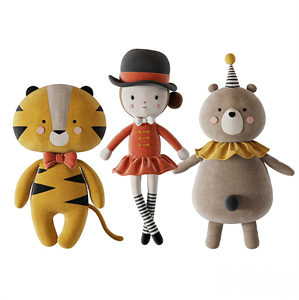
* Facial Features: The *facial features* of a *toy bear* are crucial in determining its personality and emotional expression. The shape and size of the *eyes*, the *nose*, and *mouth*, as well as their placement, significantly influence the *toy's* overall appearance, conveying emotions ranging from playful cheerfulness to gentle melancholy. The *embroidery* or *appliqué* technique used to create these features also contributes to the overall aesthetic quality.
* Size and Proportion: The *size* and *proportions* of a *toy bear* are often carefully considered to enhance its appeal to specific age groups. Smaller *toy bears* are ideal for toddlers, while larger *toys* provide a greater sense of comfort and companionship for older children. The *proportions* of the *toy's* body parts – head, limbs, and torso – can influence its perceived character and level of realism.
* Accessories: *Accessories* such as bows, hats, clothing, and other embellishments further enhance the *toy bear's* individuality and create opportunities for more elaborate designs. These *accessories* can enhance the *toy's* narrative appeal and contribute to its overall charm and personality.
Part 3: The Psychological and Cultural Significance of the Toy Bear
The *toy bear's* enduring popularity transcends simple aesthetics; it taps into deep-seated psychological and cultural needs. The *toy bear* often serves as a *transitional object*, bridging the gap between childhood dependence and adult autonomy. For young children, it can provide comfort, security, and a sense of stability in an often unpredictable world. The *toy bear* becomes a confidant, a source of comfort during times of stress or anxiety. Its soft texture and cuddly form stimulate positive emotional responses and promote feelings of safety and well-being.
The *toy bear* also holds significant cultural significance, appearing in literature, film, and popular culture as a symbol of childhood innocence, comfort, and friendship. Characters like Paddington Bear and Winnie-the-Pooh have become beloved icons, shaping our perception of the *toy bear* and its role in storytelling. Their enduring popularity reflects the continued relevance of the *toy bear* as a symbol of comfort, empathy and adventure. The *toy bear* serves as a powerful cultural symbol, encapsulating nostalgic feelings and childhood memories.
The design of the *toy bear* itself has evolved to reflect changing cultural trends and technological advancements. From the simpler designs of the early 20th century to the highly stylized and sophisticated *toys* of today, the *toy bear's* appearance reflects changing social norms and evolving aesthetic preferences. However, the core psychological functions and emotional appeal of the *toy bear* remain largely consistent, highlighting its enduring and timeless significance.
Part 4: The Future of the Toy Bear – Design Innovation and Sustainability
Despite its long history, the *toy bear* continues to evolve. Contemporary designers are exploring innovative materials and production techniques, pushing the boundaries of traditional *toy bear* design. Sustainable materials are increasingly being used, reflecting a growing awareness of environmental concerns. Recycled fabrics, organic cotton, and biodegradable stuffing are becoming more common, indicating a shift towards environmentally conscious design practices within the industry.
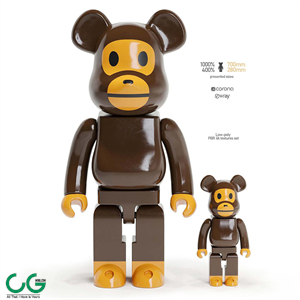
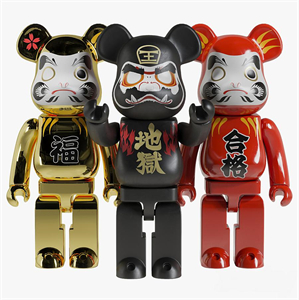
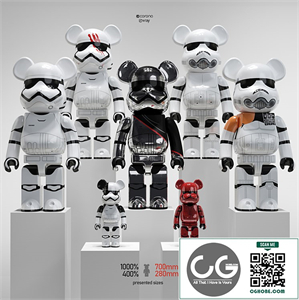
Technological advancements, such as 3D printing, are also impacting *toy bear* design, allowing for increased customization and the creation of highly detailed and intricate models. These technologies enable the production of limited-edition *toy bears* with unique features, catering to a growing demand for personalized and collectible *toys*.
Furthermore, the *toy bear's* design is responding to changing societal attitudes towards gender and inclusivity. The range of *toy bear* designs now reflects a broader spectrum of ethnicities, body types, and gender expressions, emphasizing inclusivity and representation. This reflects a wider societal shift and a desire for *toys* that resonate with a more diverse population.
In conclusion, the seemingly simple *toy bear* holds a rich and complex history, evolving from crude imitations to sophisticated cultural icons. Its design continues to adapt to technological advancements and changing cultural norms, while retaining its fundamental appeal as a source of comfort, companionship, and imaginative play. The future of the *toy bear* promises further innovation, with a focus on sustainability and inclusivity, ensuring its enduring relevance for generations to come.