## The Unity Wall Planter: A Design Exploration
This document explores the design concept and rationale behind the Unity Wall Planter, a modular, versatile, and aesthetically pleasing system for vertical gardening. We will examine its key features, design considerations, target audience, and potential impact on urban green spaces and interior design.
Part 1: Concept and Inspiration
The Unity Wall Planter emerges from a confluence of growing trends: the increasing popularity of vertical gardening, the demand for sustainable urban design, and a desire for more aesthetically integrated indoor and outdoor green spaces. Traditional vertical gardening solutions often lack design flexibility, resulting in visually monotonous installations. Furthermore, many existing systems struggle to provide adequate support and drainage for a diverse range of plants. The *Unity Wall Planter* aims to address these limitations through its *modular design*, its emphasis on *aesthetic versatility*, and its commitment to *user-friendliness*.
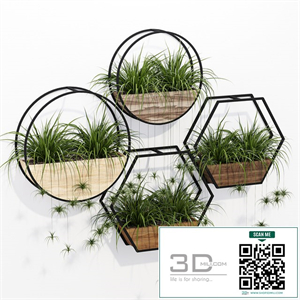
The inspiration for this project stems from the observation of natural formations – particularly *honeycomb structures* and *interlocking plant systems* found in forests. The modularity of the design mirrors the way nature efficiently utilizes space and supports a vast array of life. The *organic shapes* and potential for *customizable color palettes* further draw inspiration from the natural world, aiming to create a harmonious blend between human design and the natural environment. The project also takes into account *ergonomics*, ensuring that the planter is easy to install, maintain, and use, regardless of the user's experience level.
Part 2: Design Features and Functionality
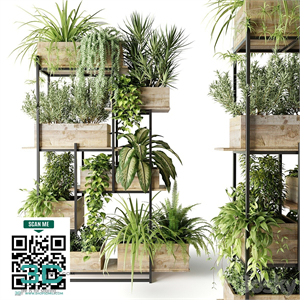
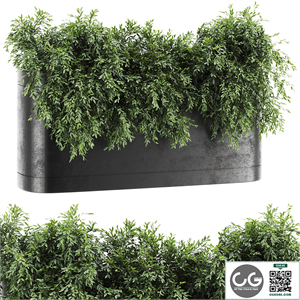
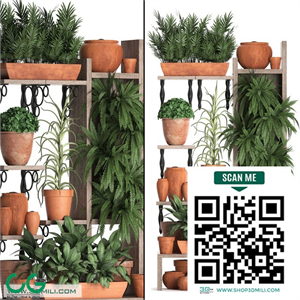
The *Unity Wall Planter's* core strength lies in its *modular design*. Each module is a self-contained unit, allowing for flexible configurations to suit various spaces and planting needs. These modules are easily interlocked, creating expansive vertical gardens or smaller, more intimate installations. The *interlocking mechanism* is designed for simplicity and strength, ensuring stability even when fully loaded with plants and soil.
*Key design features* include:
* Modular Interlocking System: This allows for easy assembly and reconfiguration, enabling users to create custom arrangements that adapt to their evolving needs and space constraints. The system utilizes a *simple, yet secure* connection mechanism, minimizing the need for tools and specialized knowledge.
* Integrated Drainage System: Each module incorporates a carefully designed drainage system to prevent waterlogging and ensure optimal plant health. This system includes *perforated bottoms* and a *reservoir* at the base of each module to collect excess water, promoting efficient water usage and preventing root rot.
* Versatile Planting Options: The design accommodates a wide variety of plants, from herbs and flowers to small shrubs and trailing vines. The size and depth of each module are carefully considered to provide adequate root space for a range of species. The modularity also allows users to *customize the density and arrangement* of plants, creating diverse and visually appealing displays.
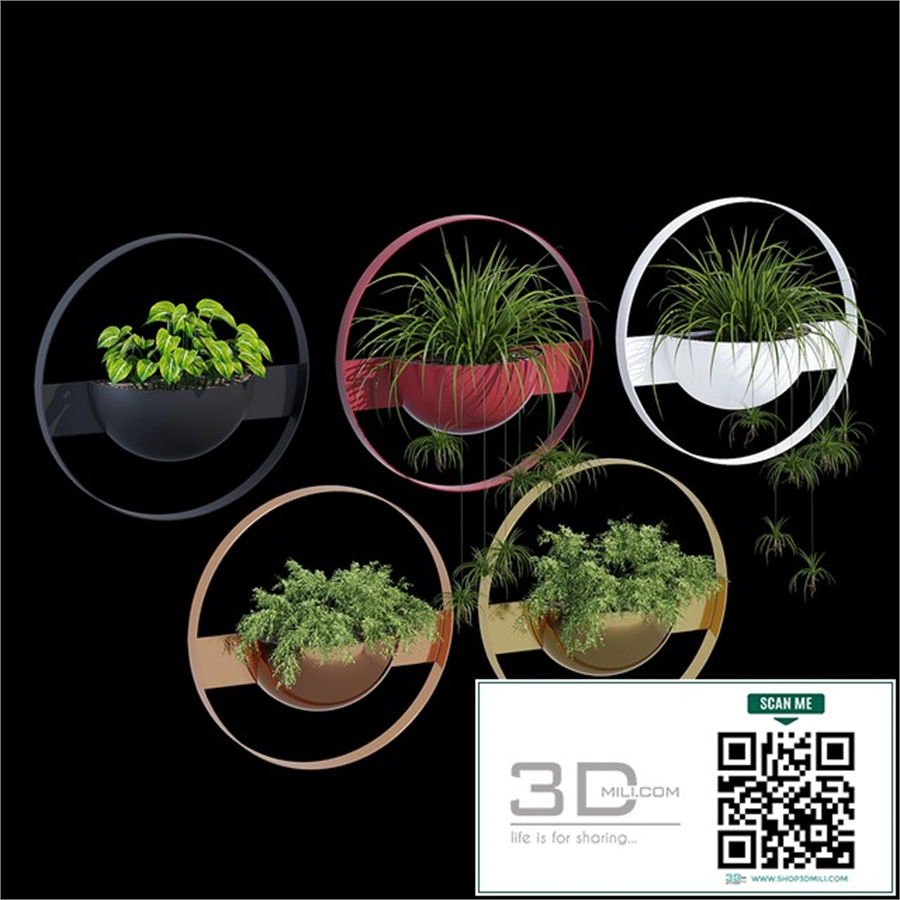
* Aesthetic Flexibility: The *Unity Wall Planter* is designed to be both functional and aesthetically pleasing. Its clean lines and organic shapes complement both modern and traditional design styles. Furthermore, the modules are available in a variety of *materials and finishes*, allowing users to personalize their planters to match their existing décor. Options might include powder-coated steel, recycled plastic, or sustainably sourced wood. The *color palette* can also be customized to enhance visual appeal and complement different environments.
Part 3: Material Selection and Sustainability
The selection of materials is crucial for the *Unity Wall Planter's* long-term durability and environmental impact. The project prioritizes the use of *sustainable and recyclable materials*, minimizing environmental footprint and promoting responsible manufacturing practices. Options being considered include:
* Recycled Aluminum: Offers excellent durability, weather resistance, and recyclability. It is a strong and lightweight material suitable for both indoor and outdoor applications.
* Recycled Plastic: Provides a cost-effective and environmentally friendly alternative to traditional plastics. The use of recycled materials reduces landfill waste and minimizes resource consumption.
* Sustainable Wood: Sourcing wood from responsibly managed forests ensures that the environmental impact of using this material is minimized. Hardwoods, known for their durability, are preferred for their longevity.
The manufacturing process will also strive to minimize waste and energy consumption. This includes optimizing the design for efficient material usage, employing lean manufacturing techniques, and exploring partnerships with environmentally conscious manufacturers. The *packaging* for the planter will also be designed with sustainability in mind, utilizing recyclable and biodegradable materials whenever possible.
Part 4: Target Audience and Market Analysis
The *Unity Wall Planter* targets a broad audience encompassing both residential and commercial users. This includes:
* Homeowners: Individuals seeking to enhance their indoor or outdoor spaces with aesthetically pleasing and functional vertical gardens.
* Apartment Dwellers: Those living in smaller spaces who want to incorporate greenery into their living environments.
* Urban Farmers: Individuals and communities interested in growing their own food in urban settings.
* Businesses: Companies seeking to enhance their office spaces, restaurants, or retail environments with a touch of nature.
* Landscapers: Professionals who are looking for a versatile and visually appealing system for creating vertical gardens in both residential and commercial projects.
Market analysis suggests a significant demand for innovative vertical gardening solutions. The rising popularity of urban gardening, coupled with the increasing awareness of the benefits of indoor plants, creates a lucrative market for a product like the *Unity Wall Planter*. The modularity and customizability of the system offer a significant advantage over existing solutions, providing a unique selling proposition that appeals to a wider range of customers.
Part 5: Conclusion and Future Development
The *Unity Wall Planter* presents a unique and innovative approach to vertical gardening, combining functionality, aesthetics, and sustainability. Its modular design, integrated drainage system, and commitment to environmentally conscious material selection sets it apart from existing solutions. The target audience is broad, encompassing both residential and commercial users seeking versatile and aesthetically pleasing vertical gardening options.
Future development of the *Unity Wall Planter* will focus on expanding the range of available materials and finishes, developing smart technology integration (such as automated irrigation and environmental monitoring), and exploring collaborations with plant nurseries and landscape designers to create pre-planted and customized installations. Further research and development will also be dedicated to refining the design for even greater efficiency and sustainability, making the *Unity Wall Planter* a truly leading product in the evolving field of vertical gardening. The long-term vision is to contribute significantly to greener, healthier, and more aesthetically pleasing urban environments, fostering a deeper connection between people and nature.