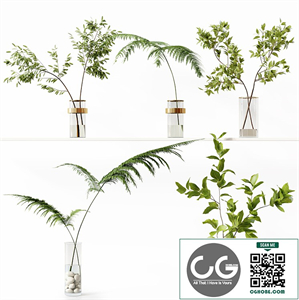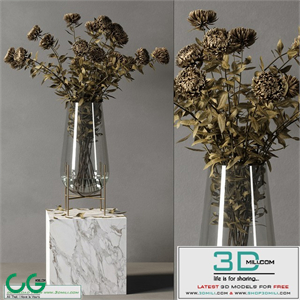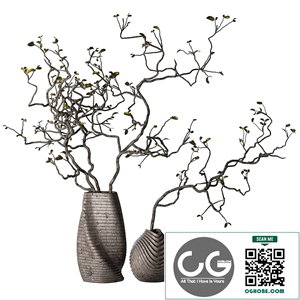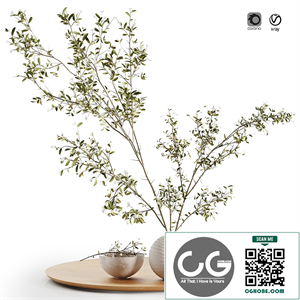
## Vases with Dried Plants: A Timeless and Ever-Evolving Design Trend
The integration of *dried plants* into interior design has exploded in recent years, moving beyond a niche hobby to a mainstream aesthetic. And at the heart of this trend lies the humble, yet endlessly versatile, *vase*. This exploration delves into the captivating world of dried plant arrangements in vases, examining their history, their enduring appeal, and the myriad design possibilities they unlock.
Part 1: The Enduring Appeal of Dried Plants
The use of *dried plants* in decorative arrangements is far from a new concept. Throughout history, cultures worldwide have preserved flora for aesthetic and symbolic purposes. Ancient Egyptians, for instance, meticulously dried flowers and herbs for *funerary offerings*, demonstrating the early recognition of their lasting beauty and potential for conveying meaning. Similarly, Victorian-era *herbariums* and pressed flower collections served as both scientific records and expressions of artistic sensibility. This long history underscores the inherent appeal of dried plants: their ability to encapsulate a moment in time, preserving the vibrancy of nature in a lasting, tangible form.
Today, the resurgence of *dried plants* is fueled by several factors. Firstly, there's a growing desire for *sustainable* and *eco-friendly* design choices. Dried plants offer a low-impact alternative to fresh flowers, eliminating the need for constant replacement and reducing water consumption. Secondly, the trend reflects a broader shift towards *natural aesthetics* and a connection with the organic world, bringing the beauty of nature indoors in a way that feels both authentic and sophisticated. Finally, the versatility of *dried plants* allows for a range of styles, from rustic and bohemian to minimalist and modern, making them adaptable to virtually any interior design scheme.
Part 2: The Vase as a Canvas: Choosing the Right Vessel
The *vase* is the crucial element that frames and elevates the beauty of dried plants. The choice of *vase* significantly impacts the overall aesthetic of the arrangement, determining its style, mood, and visual impact. A variety of factors should be considered:
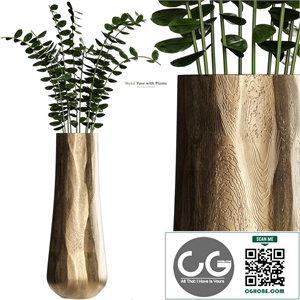
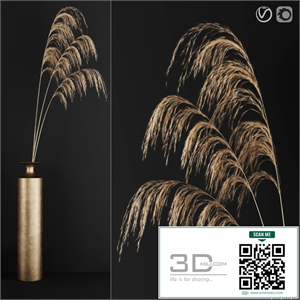
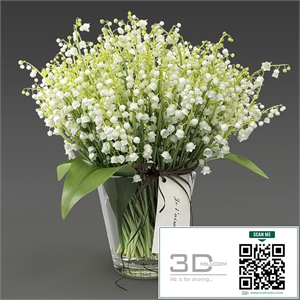
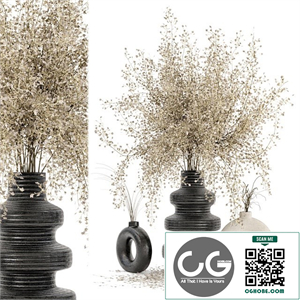
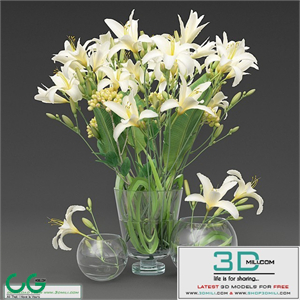
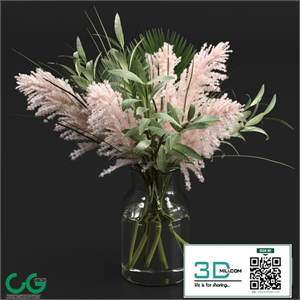
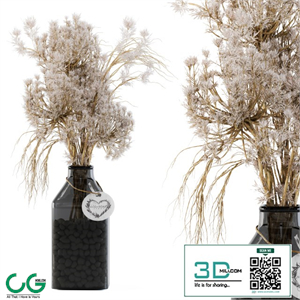
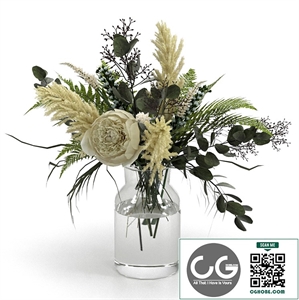
* Material: *Ceramic vases* offer a classic and versatile option, available in countless colors, shapes, and textures. *Glass vases* provide a clean, minimalist aesthetic, allowing the beauty of the dried plants to take center stage. *Metal vases*, particularly those made of copper or brass, can add a touch of industrial chic or vintage charm. *Wooden vases* offer a rustic and earthy feel, ideal for bohemian or farmhouse styles. The material selection should complement both the dried plants and the overall interior design.
* Shape and Size: The *shape* and *size* of the *vase* directly influence the overall composition of the arrangement. Tall, slender vases are ideal for showcasing long, flowing stems, while shorter, wider vases work well for fuller, more abundant displays. Consider the height and volume of the *dried plants* to select a vase that complements their form.
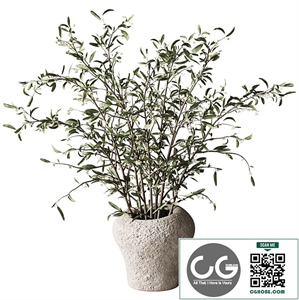
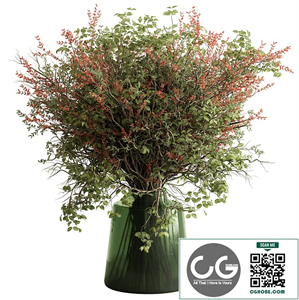
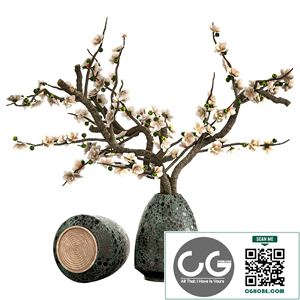
* Color and Texture: The *color* and *texture* of the *vase* should enhance the visual appeal of the dried plants. A neutral-toned vase can create a calming and understated effect, while a brightly colored vase can add a bold statement. Textured vases, with intricate designs or rough surfaces, can add depth and visual interest. Consider the interplay of colors and textures to create a harmonious and visually appealing display.
Part 3: Designing with Dried Plants and Vases: Style and Technique
The art of arranging *dried plants* in vases transcends simple placement; it's a creative process that allows for immense stylistic expression. Various techniques and approaches can be employed to achieve different effects:
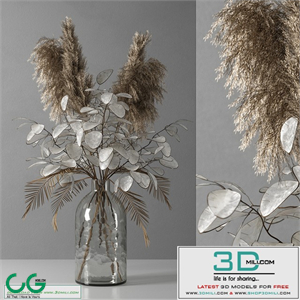
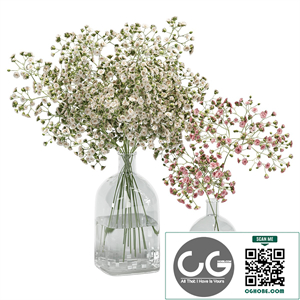
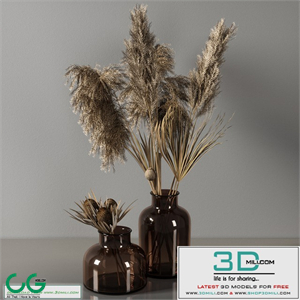
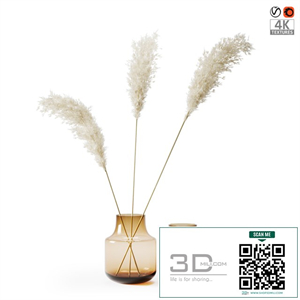
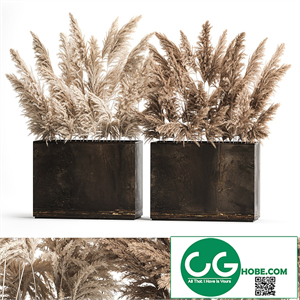
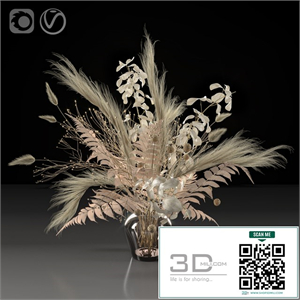
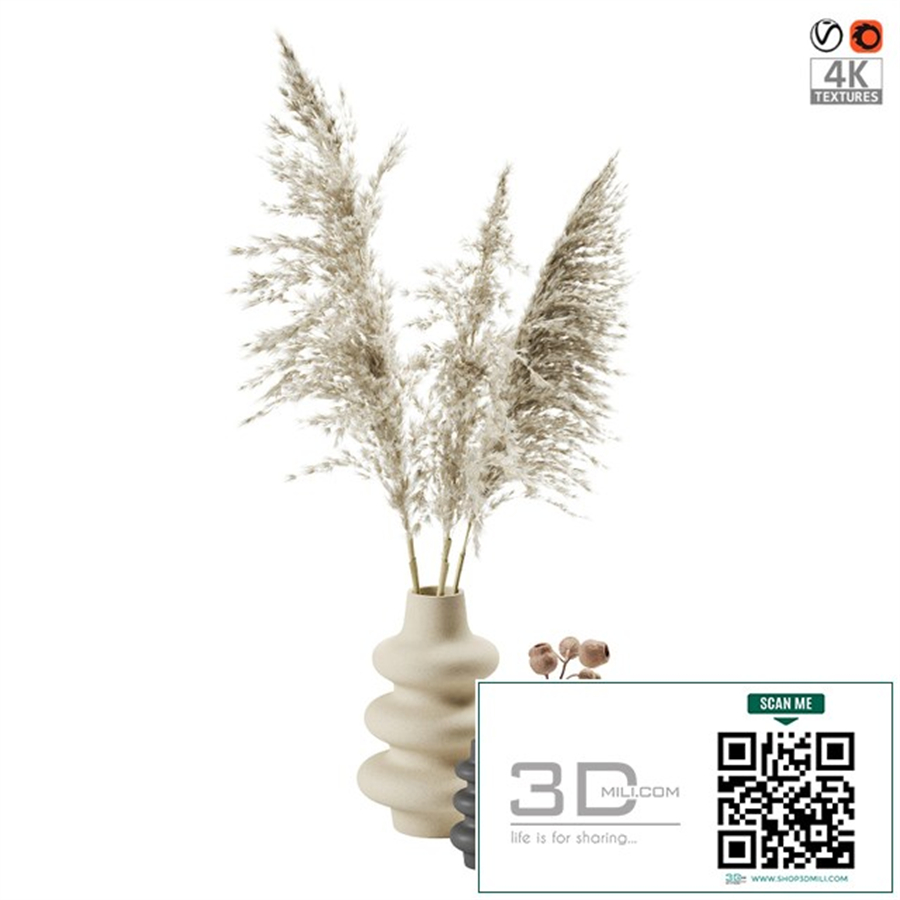
* Minimalist Arrangements: These arrangements feature a few carefully selected stems of *dried plants* in a simple, elegant *vase*. The focus is on highlighting the individual beauty of each stem, creating a sense of calm and serenity. Think a single, perfectly preserved pampas grass plume in a clear glass cylinder.
* Bohemian Arrangements: These arrangements are characterized by a relaxed, free-flowing aesthetic. They typically feature a variety of *dried plants*, varying in color, texture, and length, arranged in a rustic *vase*, often with other elements such as feathers or dried fruit incorporated.
* Modern Arrangements: Modern arrangements often feature a more structured and geometric approach. They might utilize monochromatic color palettes or incorporate sleek, minimalist *vases*, creating a sophisticated and contemporary look. The emphasis is on clean lines and precise placement.
* Rustic Arrangements: These arrangements evoke a feeling of warmth and nostalgia, often incorporating natural elements such as twigs, branches, and pinecones. They typically utilize earthy tones and textures and are displayed in simple, rustic *vases*, possibly made of wood or woven materials.
Part 4: Sourcing and Maintaining Dried Plants
The quality and longevity of your *dried plant* arrangement depend heavily on the sourcing and maintenance practices.
* Sourcing: You can purchase pre-dried *plants* from florists, craft stores, and online retailers, offering convenience and a wide selection. Alternatively, you can harvest and dry your own *plants*, a rewarding process that allows for customization and personalization. Proper drying techniques are crucial to preserving the color and texture of the plants.
* Maintenance: While *dried plants* require minimal care compared to fresh flowers, they are not entirely maintenance-free. Dust accumulation can diminish their beauty, so regular dusting with a soft brush or compressed air is recommended. Avoid placing the arrangements in direct sunlight or excessively humid environments to prevent discoloration or damage. With proper care, your *dried plant* arrangements can maintain their beauty for several months, even years.
Part 5: Beyond the Vase: Integrating Dried Plants into Your Decor
The use of *dried plants* extends beyond the confines of the *vase*. They can be incorporated into various decorative elements, enhancing the overall aesthetic of a space:
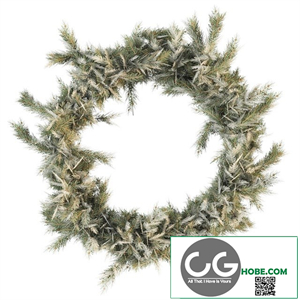
* Wreaths and Garlands: Create seasonal or year-round displays using dried botanicals fashioned into wreaths and garlands, adding texture and visual interest to walls, doorways, or mantels.
* Wall Art: Dried flower arrangements can be pressed and framed, creating unique and personalized works of art. Alternatively, create shadow boxes incorporating carefully curated dried plant specimens for a more three-dimensional effect.
* Table Settings: Incorporate small bouquets or individual stems of dried plants into table centerpieces or place settings for an elegant and understated touch, adding a touch of rustic charm or modern sophistication.
The versatility and enduring appeal of *dried plants* in *vases* make them a perfect choice for anyone seeking to enhance their interior design. From minimalist elegance to bohemian charm, the creative possibilities are virtually limitless. By carefully selecting the *vase*, choosing the appropriate *dried plants*, and utilizing effective arrangement techniques, you can create stunning displays that bring the beauty and tranquility of nature into your home, creating a space that is both stylish and reflective of your personal aesthetic.