## Vertical Garden World Map: A Design Exploration
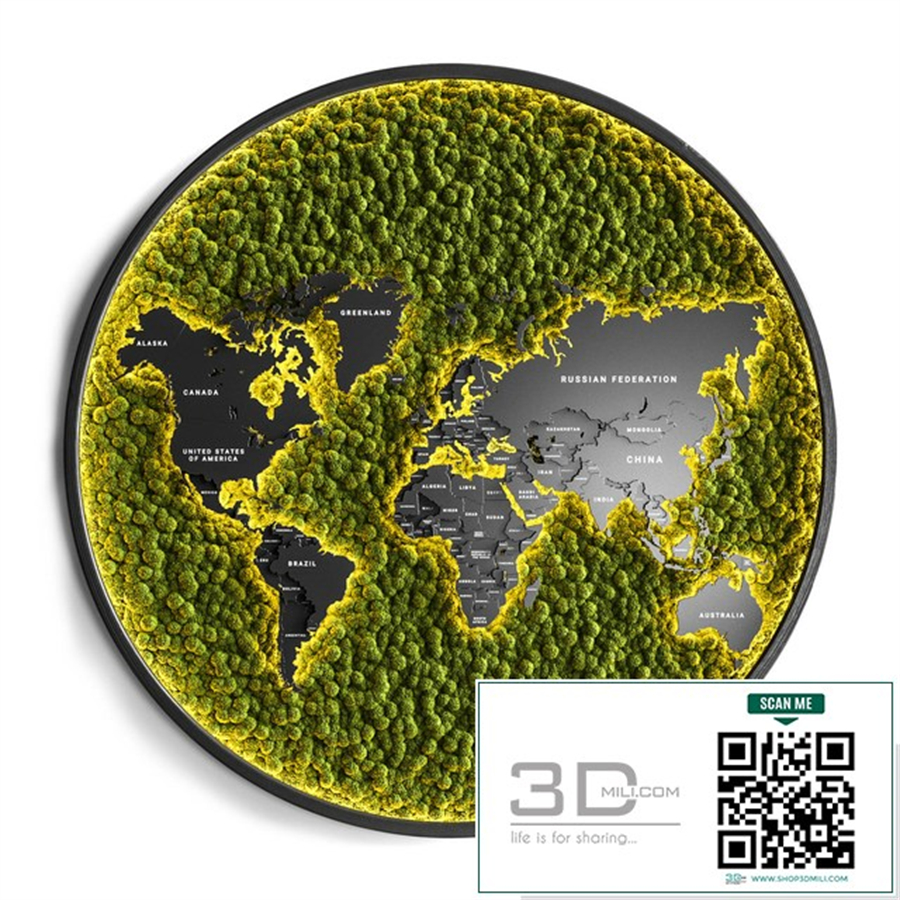
This document explores the design concept of a _Vertical Garden World Map_, a unique and ambitious project merging horticultural artistry with geographical representation. We'll delve into the various aspects of this design, from its conceptual genesis and practical considerations to its potential impact and broader implications.
Part 1: Conceptualizing the Vertical Garden World Map
The core idea behind a Vertical Garden World Map is simple yet profoundly evocative: to represent the Earth's continents and oceans as a lush, living tapestry of plants. This isn't merely a static map; it’s a *dynamic*, *evolving ecosystem* that reflects the biodiversity of our planet. Imagine a large vertical structure, perhaps a wall or free-standing tower, meticulously sculpted to resemble the world map. Each continent and significant landmass is crafted from a carefully chosen selection of plants native to that region. This selection considers not only *aesthetic appeal* but also *climatic suitability* and *plant compatibility*.
The design aims to be both *visually stunning* and *educationally informative*. It will be more than just a pretty picture; it will serve as a powerful visual tool for understanding geographical distribution, biodiversity, and the interconnectedness of ecosystems. The visual representation of each continent will be identifiable, using plant types and colors to distinguish between different regions. For instance, the lush rainforests of the Amazon could be represented by vibrant green *tropical foliage*, while the arid landscapes of the Sahara might feature drought-resistant succulents and cacti. The oceans could be represented by *blue-toned cascading plants* or strategically placed water features, further enhancing the three-dimensional effect.
Beyond its geographical representation, the design seeks to explore themes of *sustainability* and *environmental awareness*. By showcasing the diverse flora of the planet, the Vertical Garden World Map serves as a living testament to the importance of biodiversity conservation. The project inherently embodies sustainable practices, emphasizing *water conservation* and the use of environmentally friendly materials in its construction.
Part 2: Design Challenges and Solutions
The realization of a Vertical Garden World Map presents considerable design challenges. Perhaps the most significant is the *selection and arrangement of plants*. Choosing plants that thrive together, considering their varying needs for sunlight, water, and nutrients, is crucial. This requires meticulous planning and potentially the use of advanced hydroponic or aeroponic systems for optimal growth management. *Careful consideration of plant size and growth rate* is also necessary to prevent overcrowding or uneven development.
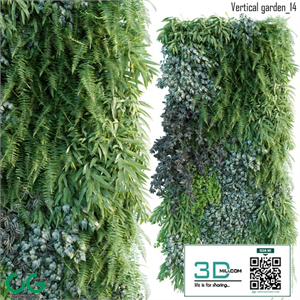
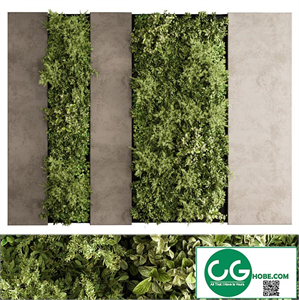
Another major challenge is the *structural design* itself. The structure needs to be robust enough to support the weight of the soil, plants, and irrigation system. It should also be designed to facilitate access for maintenance and allow for the optimal distribution of sunlight and water to all parts of the map. The *material selection* must balance aesthetics, durability, and sustainability. Using recycled or eco-friendly materials would align with the project's ethos. The structure might incorporate innovative techniques such as *green walls* and *vertical farming systems* to maximize space utilization and enhance the overall aesthetic impact.
*Climate control* is yet another factor. Different parts of the map require different microclimates. This might necessitate the integration of sophisticated climate control systems to ensure the well-being of the plants, especially if the structure is located in an area with varying climatic conditions. *Irrigation* is another crucial element. An efficient and reliable irrigation system is essential to provide the necessary water supply to the plants without causing waterlogging or wastage. This might involve drip irrigation, automated systems, and sensors to monitor soil moisture.
Part 3: Materials and Technologies
The success of the Vertical Garden World Map depends heavily on the choice of materials and technologies. The structure itself could be made from *sustainable materials* such as recycled steel, bamboo, or timber. *Lightweight yet strong composite materials* could also be considered. The use of modular construction techniques allows for flexibility in design and potential future expansion or modifications.
The *planting medium* will need to be chosen carefully. Traditional soil might be unsuitable for certain areas due to weight concerns. Hydroponic or aeroponic systems offer a lighter and more efficient alternative, allowing for precise control over nutrient delivery and water usage. These systems also minimize the need for large quantities of soil, reducing the overall weight and environmental impact.
*Sensors and automation* will play a significant role in monitoring and maintaining the garden. Soil moisture sensors, temperature sensors, and light sensors can provide real-time data on the condition of the plants. This data can be used to automate irrigation, lighting, and nutrient delivery, ensuring the optimal growth conditions for all species. *Data visualization* could be incorporated, allowing visitors to interact with the map and learn more about the specific plants and regions represented. This could involve interactive displays, augmented reality applications, or touch screen interfaces.
Part 4: Educational and Social Impact
The Vertical Garden World Map is more than a beautiful installation; it's a powerful tool for education and community engagement. Its visual impact can inspire a deeper appreciation for global biodiversity and the importance of environmental conservation. It serves as a *living educational resource*, offering a unique and memorable way to learn about geography, botany, and environmental sustainability.
The project can attract significant public attention, fostering *community engagement* and promoting environmental awareness. It can be used as a platform for educational programs, workshops, and community events, encouraging participation from diverse groups. The involvement of local communities in the design, construction, and maintenance of the garden can create a sense of ownership and pride, strengthening community bonds and fostering environmental stewardship.
Furthermore, the Vertical Garden World Map can function as a powerful symbol of global interconnectedness, showcasing the beauty and fragility of our planet's ecosystems. It can contribute to conversations surrounding climate change, biodiversity loss, and the urgent need for sustainable practices. Its educational value extends beyond simple geographical representation, inspiring viewers to consider their impact on the environment and promoting a sense of responsibility towards the planet. The project can serve as an excellent *case study* for sustainable urban development and demonstrate the potential of integrating nature into urban environments.
Part 5: Future Developments and Considerations
The Vertical Garden World Map design is open to future developments and improvements. The integration of *renewable energy sources*, such as solar panels integrated into the structure, could further enhance its sustainability credentials. The incorporation of *interactive elements*, such as augmented reality overlays or projection mapping, could make the experience even more engaging and educational.
The scalability of the design is another crucial aspect. While a large-scale implementation is ambitious, the concept can be adapted to smaller scales, creating *smaller versions* suitable for schools, community centers, or even private residences. This allows for wider dissemination of the project's educational and aesthetic value.
Ongoing research and development in horticulture and vertical farming technologies will continuously inform and enhance the design. This includes exploring new planting techniques, more efficient irrigation systems, and advancements in smart agriculture technologies. The use of *drones* or *robotics* could help in monitoring the garden’s health and performing maintenance tasks, especially in large-scale implementations. Continuous monitoring and evaluation of the garden’s performance will allow for adjustments and improvements over time.
In conclusion, the Vertical Garden World Map is a visionary project that has the potential to be both aesthetically breathtaking and profoundly impactful. It represents a unique approach to integrating art, science, and environmental consciousness, offering a living testament to the beauty and fragility of our planet. Its educational and social value, along with its potential to inspire future generations, makes it a truly significant undertaking.