## The Enduring Allure of *Vintage Books*: A Deep Dive into Design, History, and Collecting
The scent of aged paper, the crackle of turning pages, the subtle imperfections whispering tales of time passed – these are the sensory hallmarks of *vintage books*. More than mere repositories of information, they are tangible artifacts, embodying a rich history of craftsmanship, design, and storytelling. This exploration delves into the captivating world of *vintage books*, examining their aesthetic appeal, historical significance, and the burgeoning collector's market that surrounds them.
Part 1: A History Woven in Paper and Ink
The history of *vintage books* is intrinsically linked to the evolution of printing technology. From the painstaking hand-copied manuscripts of the medieval era to the revolutionary impact of Gutenberg's printing press, each technological advancement left its mark on book production and, consequently, on their design. Early *printed books*, often referred to as *incunabula* (books printed before 1501), are prized for their rarity and the artistry involved in their creation. These early examples frequently showcased *hand-illuminated initials*, intricate *woodcut illustrations*, and *decorative borders*, reflecting the painstaking effort involved in their production. The craftsmanship extended beyond the *text itself*; even the *bindings*, often crafted from *leather* and adorned with *metal clasps* or *embossing*, were works of art in their own right.
The transition to *mass production* in the 19th and early 20th centuries saw a shift in *book design*. While the meticulous detail of earlier eras diminished somewhat, this period witnessed the rise of *distinct styles*, from the ornate *Victorian* bindings to the elegant simplicity of *Art Nouveau* and *Art Deco* designs. The *industrial revolution* facilitated the use of new *materials* and *printing techniques*, leading to a wider range of *affordable books* and, consequently, a greater accessibility to literature for the general public. This period also saw the emergence of significant advancements in *typography*, with new *typefaces* and *printing processes* influencing the overall *aesthetic* of published works. Think of the distinctive character of *Victorian Gothic novels* or the crisp clarity of *early 20th-century modernist literature*. The books themselves became *reflective of the cultural climate* of their time, reflecting prevailing *artistic movements* and societal *values*.
Part 2: The Aesthetics of *Vintage Book* Design
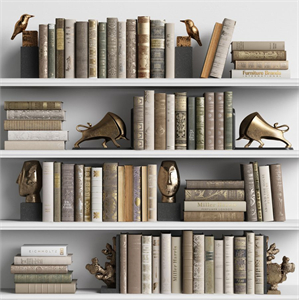
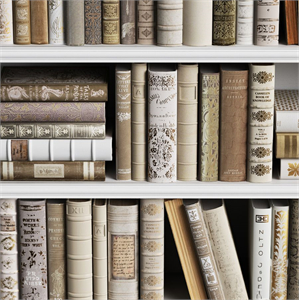
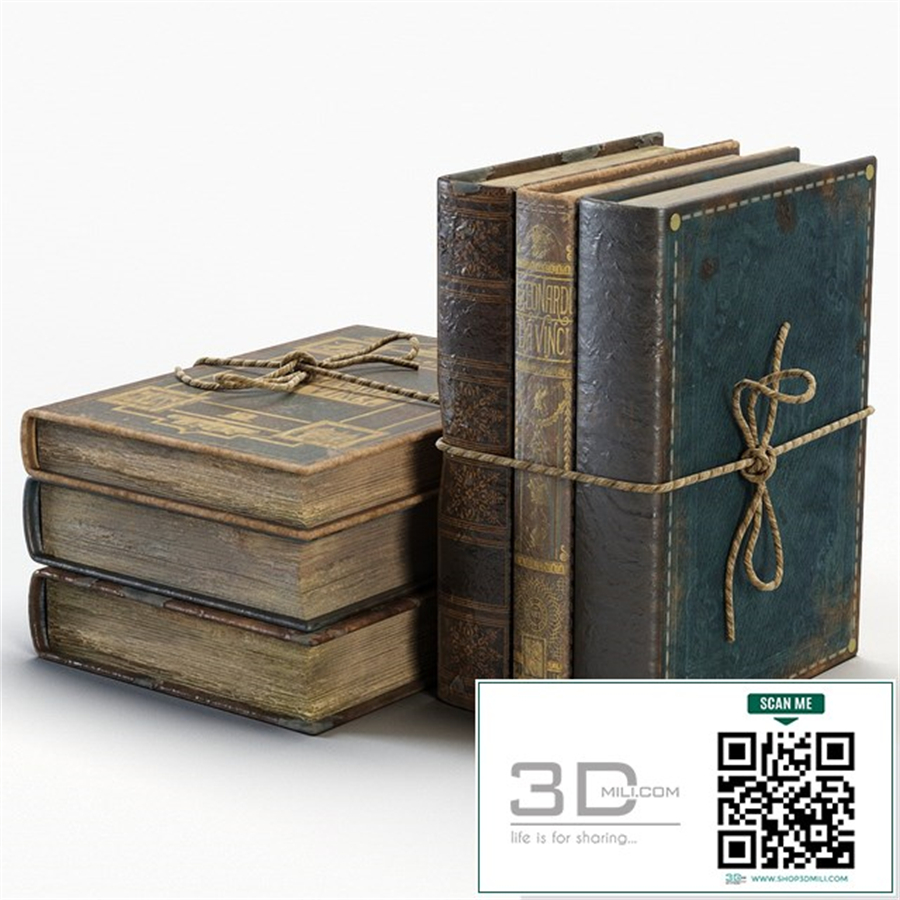
The *aesthetic appeal* of *vintage books* is multifaceted. It stems not only from the content within their pages but also from the tangible qualities of the books themselves. The *physicality* of a *vintage book* contributes significantly to its charm. The *texture* of the aged paper, the subtle discoloration of the pages, the feel of the *binding material*—these are all elements that contribute to a unique sensory experience.
The *typography* employed in *vintage books* often holds a particular appeal for modern readers. The *typefaces* of the past often possess a character and elegance lacking in many modern fonts. The careful consideration given to *letter spacing*, *kerning*, and *line height* in older books often resulted in a more aesthetically pleasing and readable page than is commonly found in modern mass-produced publications. The choice of *paper stock* also played a crucial role in the overall aesthetic. The *texture*, *weight*, and *color* of the paper all contributed to the overall impression of the book.
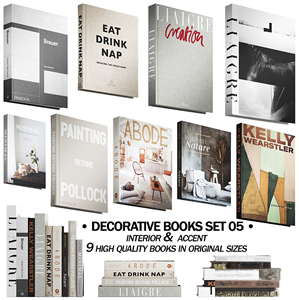
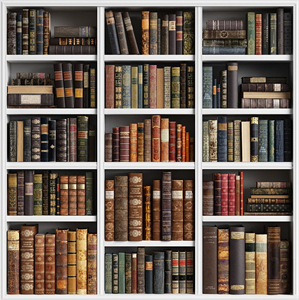
The *cover design* is another crucial element. The *illustrations*, *color palettes*, and *binding styles* used on *vintage book* covers offer a window into the design trends and artistic sensibilities of the past. The cover often served as a *visual representation* of the content, employing *symbolic imagery* or *typographic flourishes* to convey the *genre* and *tone* of the book. From the intricate *gold-leaf detailing* found on some *Victorian era bindings* to the bolder, more graphic designs of *mid-20th-century paperbacks*, the covers of *vintage books* are a treasure trove of *design history*.
Part 3: The Collector's Market and the Value of *Vintage Books*
The enduring popularity of *vintage books* has led to a thriving collector's market. The value of a *vintage book* is determined by a number of factors, including its *rarity*, *condition*, *historical significance*, and *authorial reputation*. First editions, signed copies, and books with noteworthy provenance often command high prices. The *condition* of a *vintage book* is critical; *dust jackets*, *binding integrity*, and the overall state of preservation all influence its value. Books associated with *famous authors*, *historical events*, or *significant literary movements* often fetch premium prices.
The *collecting* of *vintage books* is not solely an investment; it's also a deeply personal pursuit. Collectors are often driven by a passion for specific authors, genres, or historical periods. The thrill of the hunt, the satisfaction of discovering a rare or significant book, and the joy of owning a piece of literary history are all part of the appeal. The *community* of collectors contributes to the richness of the experience; collectors often share their knowledge and passion through online forums, book fairs, and collector's societies.
Part 4: Preservation and Appreciation of *Vintage Books*
The preservation of *vintage books* is crucial to ensuring that these treasures remain accessible to future generations. Proper *storage* is essential to protect books from damage caused by light, humidity, and pests. *Acid-free boxes*, *protective sleeves*, and a climate-controlled environment can significantly extend the lifespan of a *vintage book*. Handling *vintage books* with care is also important; gentle handling and avoiding excessive bending or creasing can prevent damage.
Beyond preservation, appreciating the *artistic merit* of *vintage books* is essential. Taking the time to study the *design elements*, the *typography*, and the *illustrations* of a *vintage book* can offer a deeper understanding of its historical context and artistic significance. Examining the *binding*, the *paper stock*, and even the *scent* of the aged pages can all contribute to a richer appreciation of these beautiful and historically significant objects. In appreciating *vintage books*, we not only preserve a tangible piece of history but also connect with the artistry and craftsmanship of the past, fostering a deeper appreciation for the enduring power of the written word.
Part 5: The Continued Relevance of *Vintage Book* Design
The enduring appeal of *vintage books* continues to inspire designers today. Modern designers often draw inspiration from the *typography*, *illustrations*, and *layout* of classic books. Many contemporary book covers and designs incorporate elements that evoke a sense of nostalgia and classic elegance. The timeless aesthetic of *vintage books* transcends trends, proving that good design is not merely fleeting but can endure through generations.
The interest in *vintage books* extends beyond mere aesthetics. They serve as a powerful reminder of the importance of craftsmanship, attention to detail, and the enduring power of the printed word in a world increasingly dominated by digital media. They represent a connection to the past, a tangible link to the authors and readers of previous generations, and a celebration of the art of bookmaking itself. The *legacy* of these *vintage books* continues to inspire, educate, and captivate, ensuring their continued relevance and enduring appeal in the years to come. The legacy of *vintage books* lies not just in their historical value, but in their capacity to inspire and connect us to the rich tapestry of human experience and artistic expression.