## The Enduring Appeal of Wooden Blinds: A Comprehensive Guide
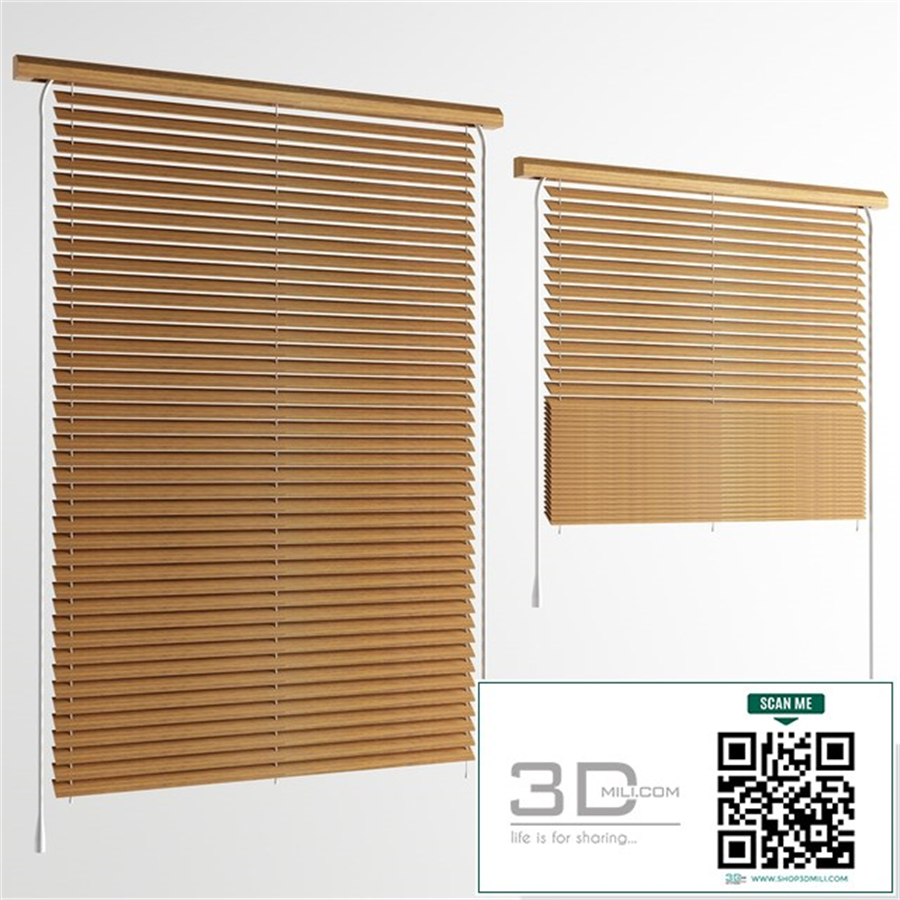
Wooden blinds have stood the test of time, remaining a popular choice for window coverings across diverse styles and homes. Their timeless appeal stems from a unique blend of functionality, aesthetics, and durability. This comprehensive guide delves into the myriad aspects of *wooden blinds*, from their inherent qualities to their selection, installation, and care.
Part 1: Understanding the Allure of Wooden Blinds
The enduring popularity of *wooden blinds* isn't accidental. They offer a compelling combination of features that make them a versatile and desirable option for many homeowners. Let's explore what sets them apart:
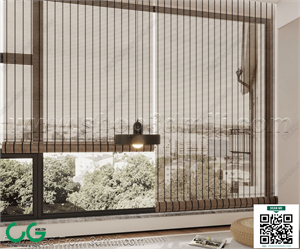
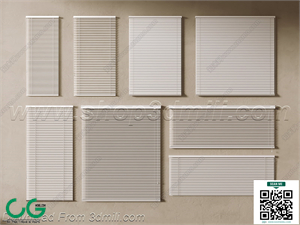
* Aesthetics & Style: *Wooden blinds* effortlessly blend with various interior design schemes. From the rustic charm of a farmhouse to the sleek sophistication of a modern apartment, their natural warmth and texture add a touch of elegance and character to any space. The versatile range of wood types, finishes (from *natural* to *stained*), and slat widths allows for customization to perfectly complement your décor. Whether you opt for the classic look of *basswood*, the rich tones of *cherry*, or the robust feel of *oak*, *wooden blinds* offer unparalleled versatility in style.
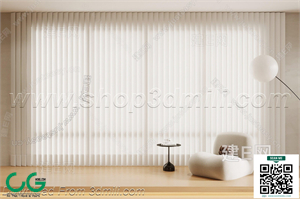
* Light Control & Privacy: This is a key advantage of *wooden blinds*. The ability to adjust the slats allows for precise control over the amount of natural light entering a room. Fully open, they allow maximum sunlight; slightly tilted, they offer soft, diffused light; and closed, they provide complete *privacy* and shade. This adaptability is crucial for managing sunlight throughout the day and optimizing the ambient lighting within your home.
* Durability & Longevity: Made from robust materials like *basswood*, *oak*, or *bamboo*, high-quality *wooden blinds* are designed to last for many years. With proper care and maintenance, they can withstand regular use and retain their beauty for decades, making them a worthwhile *investment* in your home's aesthetics and functionality. Unlike cheaper alternatives, which may warp, fade, or break easily, *wooden blinds* exhibit superior resistance to wear and tear.
* Insulation & Energy Efficiency: *Wooden blinds* contribute significantly to your home's energy efficiency. The natural properties of wood act as an *insulator*, helping to regulate temperature and reduce energy consumption. During the summer, they prevent excessive heat from entering the room, and in winter, they help retain warmth, ultimately lowering your *energy bills*.
* Versatility & Adaptability: *Wooden blinds* are available in a wide variety of sizes, colors, and finishes to fit virtually any window. Whether you have large picture windows or small bathroom windows, you can find *wooden blinds* to perfectly suit your needs. This adaptability extends to their integration into different architectural styles, effortlessly complementing both traditional and contemporary designs.
Part 2: Choosing the Right Wooden Blinds
Selecting the perfect *wooden blinds* involves careful consideration of several factors:
* Wood Type: The *type of wood* significantly impacts the appearance, durability, and price of your blinds. Popular choices include *basswood* (a lightweight and cost-effective option), *oak* (known for its strength and durability), and *cherry* (appreciated for its rich color and luxurious appearance). Each wood offers a unique grain pattern and texture, contributing to the overall aesthetic. *Bamboo* offers a more sustainable and eco-friendly option.
* Slat Size: The *width of the slats* influences both the look and functionality of the blinds. Wider slats (e.g., 2 inches) provide a more modern and minimalist appearance, while narrower slats (e.g., 1 inch) create a more traditional look. Consider the size of your windows and the desired level of light control when selecting slat width.
* Finish & Color: The *finish* of your *wooden blinds* impacts their overall appearance and longevity. Natural finishes highlight the wood's natural grain, while stained finishes offer a wider range of colors and create a more dramatic effect. Choose a finish that complements your existing décor and personal preferences. Consider the *light* in the room when selecting a color; darker colors absorb more light, while lighter colors reflect it.
* Operating System: *Wooden blinds* are available with various operating systems, including *cord lift*, *tilt rod*, and *motorized* options. Cord lift is the most traditional and cost-effective option, while motorized blinds offer ultimate convenience and are particularly suitable for hard-to-reach windows. *Tilt rods* allow for precise slat adjustment. Consider your personal preference and accessibility needs when making this decision.
* Installation Method: *Wooden blinds* can be installed inside the window frame (inside mount) or outside the window frame (outside mount). *Inside mount* provides a cleaner, more integrated look, while *outside mount* offers greater flexibility and can be used on windows with unusual frames.
Part 3: Installation and Maintenance of Wooden Blinds
Proper installation and maintenance are crucial for preserving the beauty and functionality of your *wooden blinds*.
* Installation: While many homeowners successfully install *wooden blinds* themselves, professional installation is often recommended, especially for larger or more complex window setups. Accurate measurements are paramount to ensure a perfect fit. Follow the manufacturer's instructions carefully for a smooth and efficient installation process.
* Cleaning & Maintenance: Regular cleaning helps maintain the appearance and longevity of your *wooden blinds*. Dust regularly using a soft cloth or a *blind duster*. For deeper cleaning, use a slightly damp cloth and mild detergent. Avoid using harsh chemicals or abrasive cleaners, as these can damage the wood. Periodically, apply a *wood polish* to maintain the finish and prevent drying. Check all cords and mechanisms regularly to ensure proper operation and address any potential issues promptly.
Part 4: Wooden Blinds vs. Other Window Treatments
While *wooden blinds* offer numerous advantages, it's essential to compare them with other window treatment options to make an informed decision. Consider the following:
* Wooden Blinds vs. Faux Wood Blinds: *Faux wood blinds* are a more budget-friendly alternative, offering similar functionality and a similar appearance. However, *wooden blinds* offer superior aesthetics, durability, and insulation properties. Faux wood is less environmentally friendly as it is made of synthetic materials.
* Wooden Blinds vs. Roller Shades: *Roller shades* are often less expensive and easier to install than *wooden blinds*. However, they lack the versatility in light control and the inherent warmth and elegance of wood.
* Wooden Blinds vs. Cellular Shades: *Cellular shades* offer excellent insulation and energy efficiency. However, they lack the classic appeal and natural texture of *wooden blinds*.
Conclusion:
*Wooden blinds* represent a classic and enduring choice for window coverings. Their combination of aesthetic appeal, functional versatility, and long-term durability makes them a worthwhile investment for any homeowner. By carefully considering the factors outlined in this guide, you can select, install, and maintain *wooden blinds* to enhance the beauty and functionality of your home for years to come. The timeless elegance and inherent warmth of wood create a welcoming atmosphere and add significant value to any living space. Remember to choose wisely based on your budget, style preferences, and the specific needs of your windows.