## Set 597: An Industrial Oasis – Where Nature Meets Urban Grit
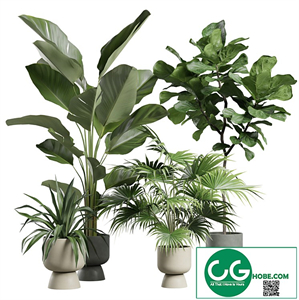
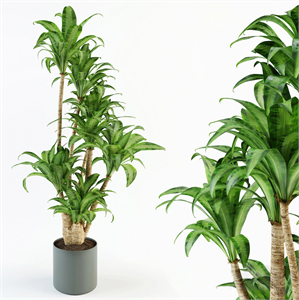
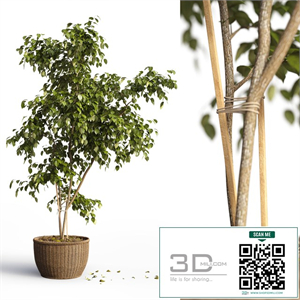
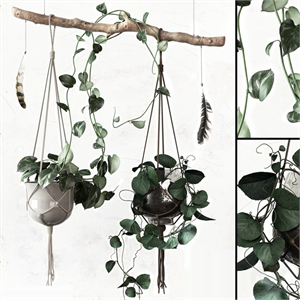
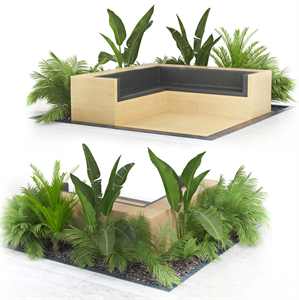
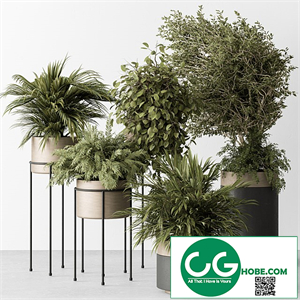
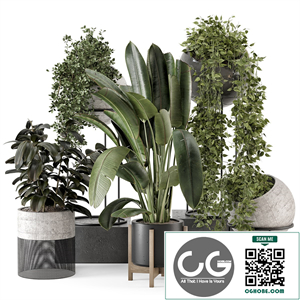
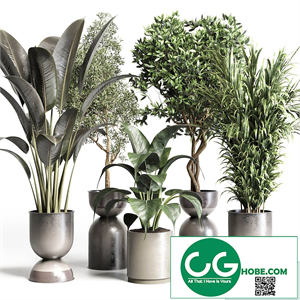
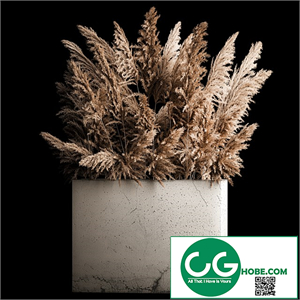
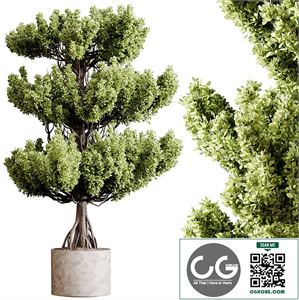
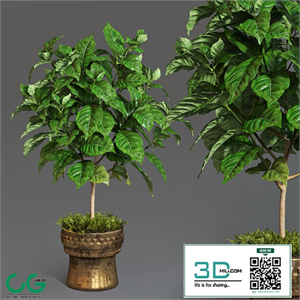
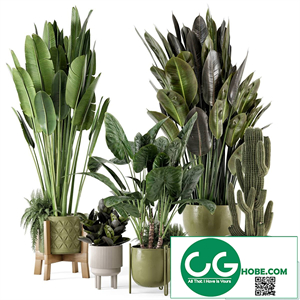
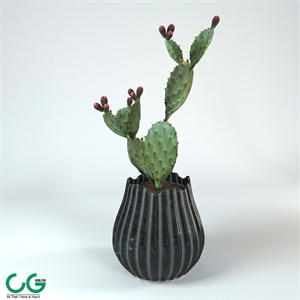
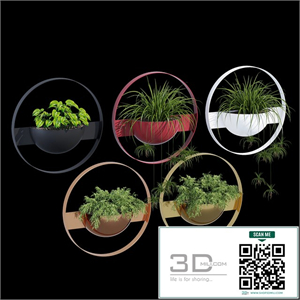
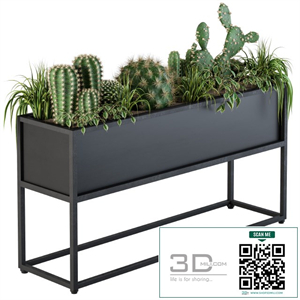
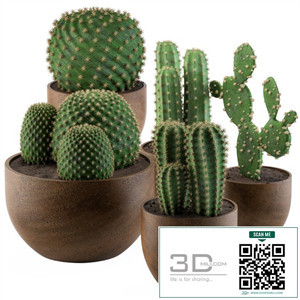
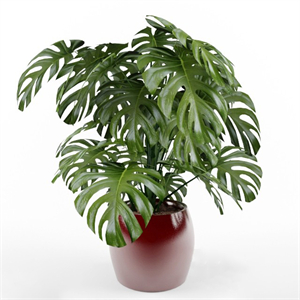
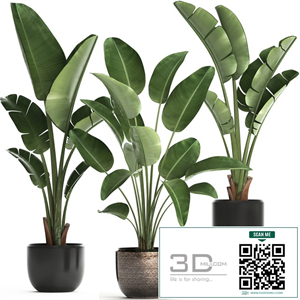
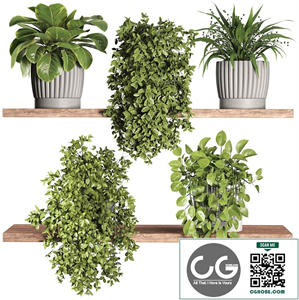
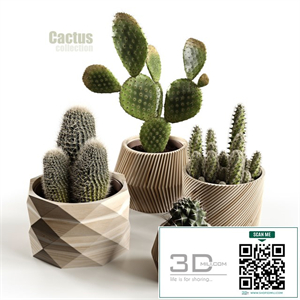
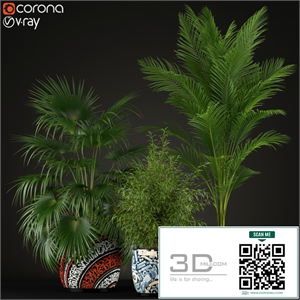
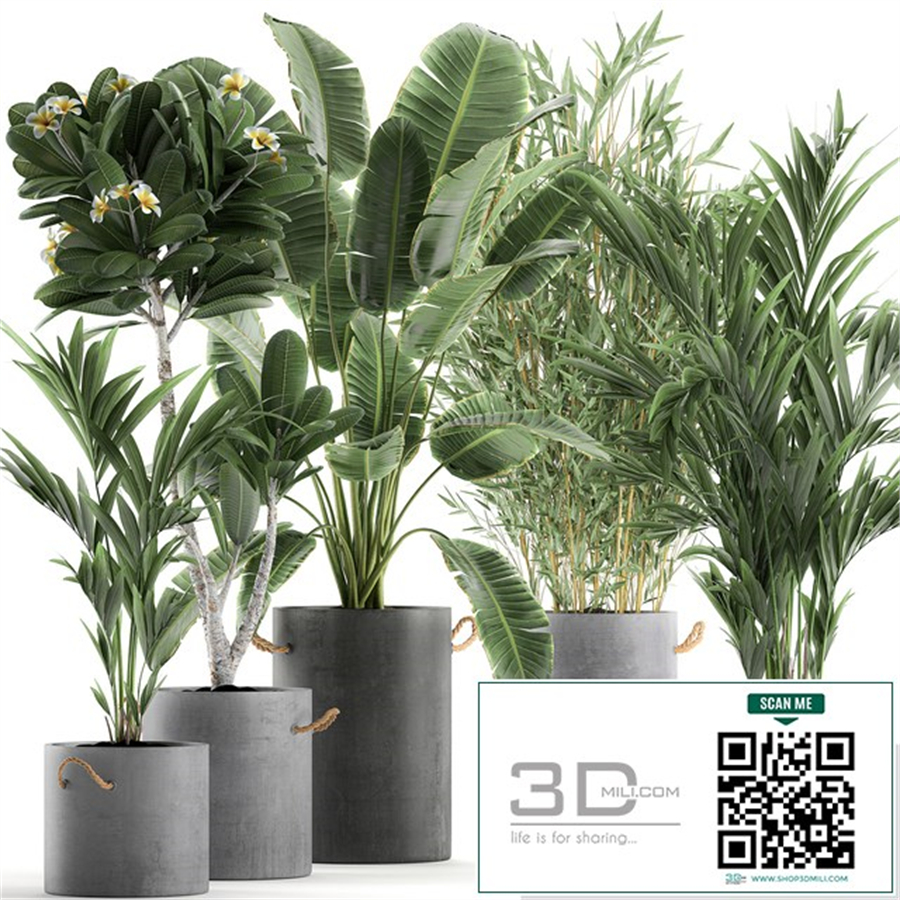
Set 597 is a unique collection that reimagines the relationship between the *industrial aesthetic* and the *organic beauty* of the natural world. It offers a curated selection of robust *industrial-style plants*, thriving in a striking contrast of textures and materials. The collection features a carefully chosen array of flora housed within a range of containers, each carefully selected to enhance the overall design philosophy: sleek *concrete flowerpots* juxtaposed with the warm, natural tones of pots crafted from *banana*, *plumeria*, *palm*, and *bamboo*. This fusion creates a visually captivating and conceptually rich experience, perfect for those seeking to incorporate a touch of the wild into their urban spaces.
### Part 1: The Industrial Foundation – Concrete's Unwavering Strength
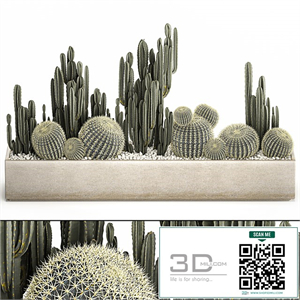
The foundation of Set 597 rests firmly on the *industrial-style* concrete pots. Concrete, a material synonymous with strength, resilience, and utilitarian design, serves as the perfect counterpoint to the delicate beauty of the plants. Its *raw, unpolished texture* speaks to a certain aesthetic honesty, a rejection of artifice in favor of a bold, minimalist expression. The concrete pots in Set 597 are not simply functional containers; they are *design elements* in their own right. Their *geometric shapes* – perhaps clean cylinders, angular squares, or subtly textured rectangles – lend a sense of architectural precision to the overall presentation.
The *color palette* of the concrete pots is intentionally understated. Neutral tones like *charcoal grey*, *off-white*, and *muted browns* allow the vibrant green hues of the plants to truly shine. The subtle variation in concrete texture – a slight roughness, a delicate imperfection – further enhances the *authenticity* of the design, reinforcing its connection to the industrial aesthetic's appreciation for honest materiality. These pots are not meant to be pristine; their imperfections add character, telling a silent story of the material's journey from raw ingredient to finished product. This speaks directly to the ethos of *sustainable design*, as imperfections are accepted, reducing waste and celebrating the inherent qualities of the material.
### Part 2: Nature's Embrace – The Organic Vessels
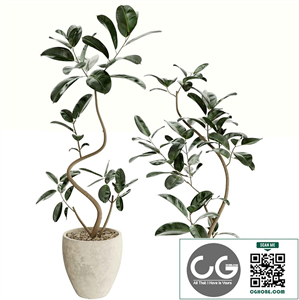
The *organic* counterpoint to the concrete pots comes in the form of vessels crafted from *banana*, *plumeria*, *palm*, and *bamboo*. These materials introduce a *warmth* and *natural texture* that stands in beautiful contrast to the cool, hard surfaces of the concrete. Each material brings its own unique qualities to the table, contributing to the overall diversity of the collection.
*Banana* pots, for example, offer a surprisingly durable and aesthetically pleasing option. The naturally occurring patterns and variations in color on the banana leaf add a layer of *organic complexity* to the design. The inherent flexibility of the material allows for creative shaping, potentially offering a range of forms from simple bowls to more intricate, sculpted designs. The *sustainable nature* of utilizing banana leaves is a significant advantage, reducing reliance on resource-intensive materials.
*Plumeria* wood, known for its fragrant blossoms, adds an element of *tropical elegance*. The unique grain patterns and subtle color variations of the wood create visually striking pots, bringing a touch of exoticism to the overall arrangement. The use of plumeria wood further emphasizes the *commitment to sustainable practices*, as it utilizes a readily available and often discarded material from the region, minimizing waste.
*Palm* and *bamboo* offer further opportunities for both *structural integrity* and *aesthetic variety*. Palm wood, with its characteristic fibers and textures, brings a rustic charm, particularly when used in a more natural, unrefined style. Bamboo, a naturally fast-growing and renewable resource, provides an environmentally conscious option with its own unique aesthetic qualities. The *smooth yet subtly textured surface* of bamboo pots complements the plants beautifully, offering a versatile and sustainable choice.
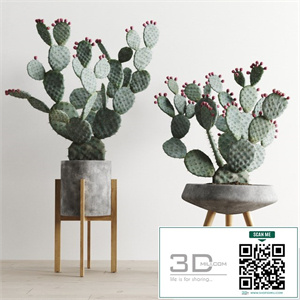
The choice of plant within each pot type further enhances the interplay between the *industrial* and *organic*. A delicate orchid in a bamboo pot, for instance, creates a beautiful contrast of textures and aesthetic sensibilities. A more robust succulent in a concrete pot reinforces the industrial strength while showcasing the plant's inherent hardiness.
### Part 3: The Plant Palette – A Selection of Hardy Greens
The plants chosen for Set 597 are not merely decorative additions; they are integral components of the collection's overall design. Carefully selected for their resilience and ability to thrive in a variety of indoor conditions, these plants are designed to flourish in the chosen containers. The *diversity* of the plant life further enhances the collection's visual appeal and offers a range of options to suit different tastes and environments.
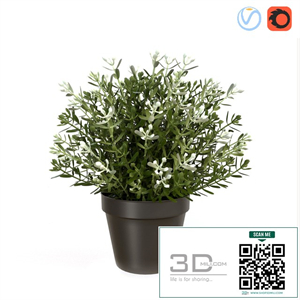
Set 597 avoids delicate, high-maintenance species. Instead, it focuses on *hardy* and *adaptable* plants known for their resilience. This aligns with the overall industrial aesthetic, which often emphasizes practicality and longevity. Succulents, with their ability to withstand periods of drought, are a natural fit. Their *diverse textures* and *varied shapes* offer a range of visual interest, complementing the diverse shapes and materials of the pots.
Air plants, or *Tillandsia*, add a unique element to the collection. Their ability to absorb moisture from the air makes them perfect for minimalist displays and further reinforces the design's emphasis on *sustainability*. Similarly, snake plants, known for their *low-maintenance* nature and striking foliage, would be a perfect addition to the collection. Their versatility in terms of light conditions makes them suitable for a wide range of indoor spaces.
The selection process for the plants within Set 597 emphasizes *biodiversity* and the careful selection of species that complement both the containers and each other. The aim is to showcase the beauty of natural forms within a distinctly human-made context, highlighting the harmonious coexistence of nature and industry.
### Part 4: The Holistic Design – A Fusion of Contrasts
Set 597 is more than just a collection of plants and pots; it's a *holistic design statement*. The juxtaposition of industrial and organic elements creates a tension that is both visually compelling and conceptually rich. It speaks to the modern desire to connect with nature even within the confines of urban environments. The *raw, unpolished textures* of the concrete are softened by the warmth and natural beauty of the organic materials. The *geometric precision* of the concrete pots is balanced by the *organic forms* of the plants and the handmade nature of the banana, plumeria, palm, and bamboo containers.
The collection is designed to be versatile, easily adaptable to a range of interior spaces. It can serve as a centerpiece in a minimalist living room, a striking addition to a modern office, or a unique element in a stylish urban apartment. Its *adaptability* stems from the carefully curated balance of materials, textures, and plant life.
The *sustainability* of the materials employed is another key aspect of Set 597's design philosophy. The use of readily available, renewable resources like banana leaves and bamboo, combined with the durable nature of concrete, demonstrates a commitment to environmentally conscious design choices. This aligns with a growing trend towards *eco-conscious living*, where the aesthetic appeal of a product is matched by its environmental responsibility.
In conclusion, Set 597 offers a compelling exploration of the intersection between the *industrial* and the *organic*. It is a carefully curated collection that celebrates the beauty of natural forms within a distinctly urban context, demonstrating the possibility of a harmonious coexistence between nature and human design. Its *versatility*, *sustainability*, and *aesthetic appeal* make it a unique and desirable addition to any contemporary living space.