## The Art of the Bouquet: A Deep Dive into Floral Design
The humble *bouquet*, a seemingly simple arrangement of flowers, holds a surprising depth of meaning and artistry. From the casual posies gifted to loved ones to the elaborate displays adorning grand events, the bouquet transcends mere decoration; it's a form of visual storytelling, a silent expression of emotion, and a testament to the enduring power of nature's beauty. This exploration delves into the multifaceted world of bouquet design, examining its history, techniques, symbolism, and the enduring allure that continues to captivate us.
Part 1: A Historical Perspective on the Bouquet
The history of the *bouquet* is a rich tapestry woven from cultural traditions and evolving aesthetics. While the precise origins are difficult to pinpoint, the practice of arranging flowers for decorative and symbolic purposes dates back millennia. Ancient civilizations, from the Egyptians who adorned tombs with floral offerings to the Greeks and Romans who used flowers in religious ceremonies and celebrations, recognized the potent symbolism inherent in blossoms. *Floral arrangements* appeared in various forms, often incorporating herbs and other foliage alongside flowers, reflecting practical uses as well as aesthetic concerns.
The *Middle Ages* saw flowers take on new significance, associated with religious iconography and courtly love. *Herb gardens* and *nosegays*, small, tightly bound bunches of fragrant flowers and herbs designed to ward off unpleasant smells, were popular. These early forms of bouquets served both practical and symbolic purposes, reflecting the social and cultural values of the time.
The *Renaissance* ushered in a new era of botanical exploration and artistic flourishing. The *development of botanical illustration* and the increased availability of exotic flowers contributed to a heightened appreciation for floral beauty. Bouquets began to evolve into more elaborate arrangements, incorporating a wider variety of *flowers*, *foliage*, and *containers*. The *Baroque* period saw even more extravagant displays, reflecting the opulent tastes of the era.
The *18th and 19th centuries* witnessed the rise of formalized flower arranging, influenced by the *development of landscape gardening* and the *emergence of floristry as a profession*. *Specific techniques* and *styles* emerged, reflecting evolving aesthetic preferences and social conventions. The *Victorian era*, in particular, saw a complex language of flowers develop, with each bloom carrying a specific meaning. Sending *bouquets* became a sophisticated way of communicating emotions and intentions.
The 20th and 21st centuries have seen a continuous evolution of *bouquet design*, encompassing diverse styles and incorporating new technologies and materials. Modern *floristry* draws upon both traditional techniques and innovative approaches, reflecting a constantly shifting landscape of aesthetic sensibilities.
Part 2: The Elements of Bouquet Design: Form, Color, and Texture
Creating a captivating *bouquet* requires a keen understanding of the fundamental principles of design. These principles, applicable across various creative fields, ensure a harmonious and visually appealing composition. One of the most crucial aspects is the *form* of the *bouquet*. This involves considering the overall shape and structure, whether it's a classic round bouquet, a cascading design, or a more modern, asymmetrical arrangement.
The *color palette* is another vital element. The chosen colors contribute significantly to the overall mood and impact of the *bouquet*. Warm colors evoke feelings of joy and energy, while cool colors project calmness and serenity. The *skillful use of color contrasts* or *harmonious color schemes* can significantly enhance the visual appeal of the *bouquet*. Moreover, understanding the *psychological impact of color* allows florists to tailor their creations to specific occasions and moods. *Color theory* plays a crucial role here, enabling the creation of balanced and aesthetically pleasing arrangements.
Beyond color, *texture* adds another layer of complexity and visual interest. Mixing different textures, such as the smooth petals of roses, the feathery texture of ferns, and the rough surface of bark, creates a dynamic and engaging visual experience. The contrast in textures can enhance the overall appeal of the *bouquet*, drawing the eye and creating a sense of depth and richness. Careful consideration of *texture* can elevate a simple *bouquet* into a truly captivating piece.
Part 3: The Language of Flowers: Symbolism and Meaning
Throughout history, flowers have been imbued with profound *symbolic meaning*. This *language of flowers*, or *floriography*, allowed individuals to communicate emotions and intentions indirectly through carefully selected blooms. Roses, for example, have long been associated with love and passion, while lilies symbolize purity and innocence. Chrysanthemums carry diverse meanings depending on color and culture, and sunflowers represent joy and optimism.
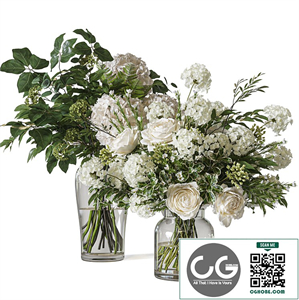
The *meaning of flowers* varies across cultures and throughout history, adding layers of complexity and intrigue to the art of *bouquet design*. A skilled florist understands this *subtle language* and utilizes it to create *bouquets* that convey specific messages. Consider a wedding *bouquet*: the choice of flowers can reflect the couple's personalities, relationship, and desires for their future. A funeral *bouquet* will communicate sympathy and respect, utilizing blooms with appropriate symbolic meaning.
The *art of floriography* adds a unique dimension to *bouquet design*, transforming a simple arrangement into a powerful communication tool. Understanding the *symbolic language* of flowers enables the creation of *bouquets* that are not only aesthetically pleasing but also emotionally resonant.
Part 4: Modern Bouquet Styles and Trends
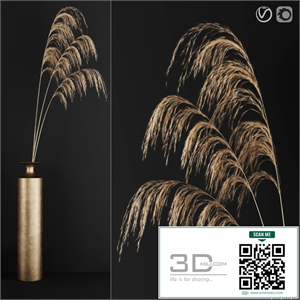
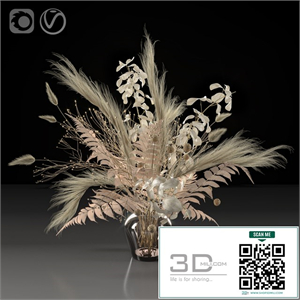
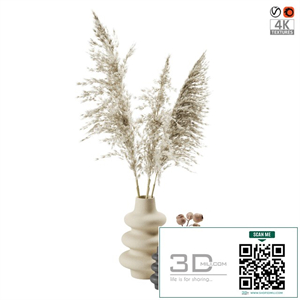
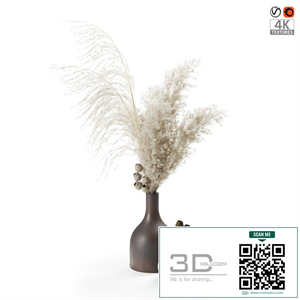
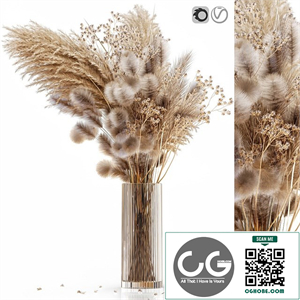
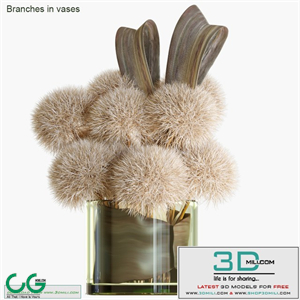
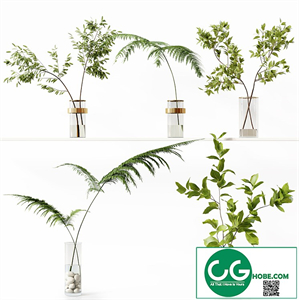
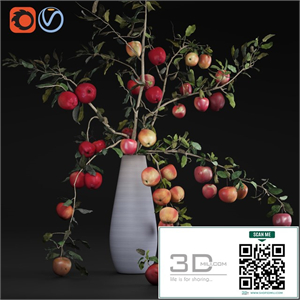
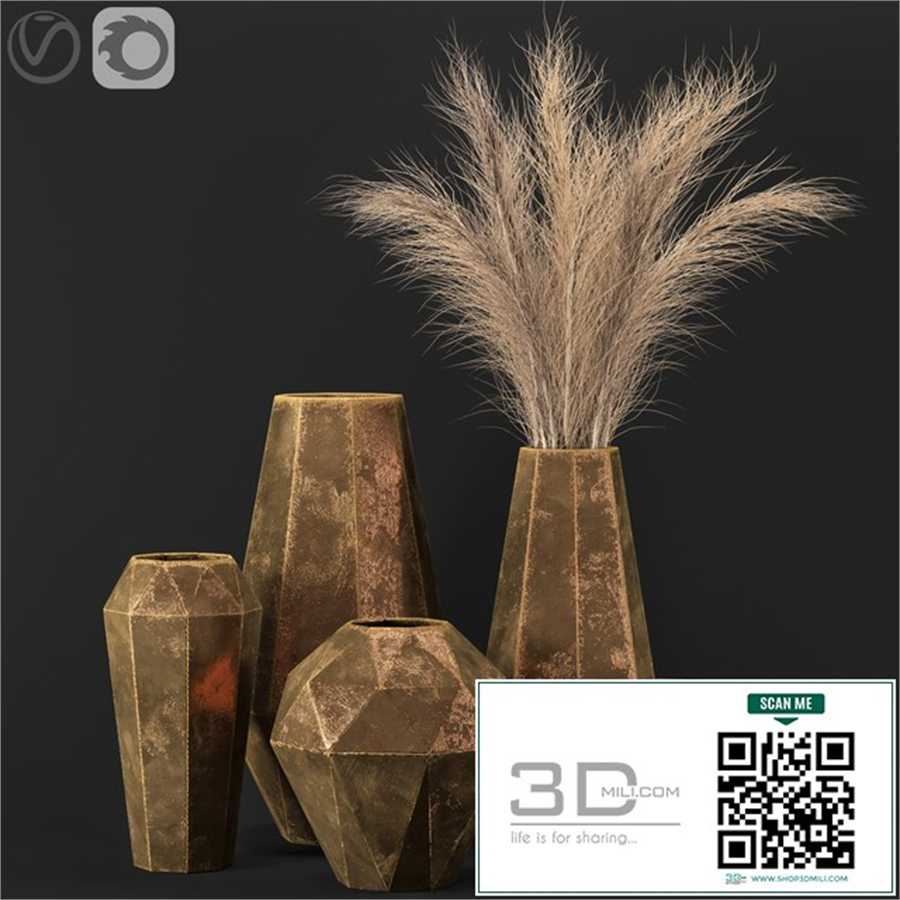
The world of *bouquet design* is constantly evolving, reflecting changing aesthetic preferences and innovative techniques. While classic styles remain popular, modern *floristry* embraces a diversity of approaches. One prominent trend is the use of *unconventional materials*, incorporating natural elements such as branches, grasses, and seed heads alongside traditional flowers. This creates a more organic and naturalistic look, emphasizing the raw beauty of nature.
Another significant trend is the focus on *sustainability* and *locally sourced flowers*. Conscious consumers are increasingly seeking out florists who prioritize ethical and environmentally responsible practices. This emphasis on sustainability is reflected in the use of *seasonal flowers*, reducing the environmental impact of transportation and promoting biodiversity.
Modern *bouquet styles* also embrace asymmetry and a more informal, unstructured aesthetic. This contrasts with the formal arrangements of previous eras, reflecting a more relaxed and expressive approach to design. *Wildflower bouquets*, with their untamed beauty and effortless charm, exemplify this trend. The use of *texture*, *color contrasts*, and *unconventional materials* contributes to the unique and captivating nature of these modern *bouquets*. The emphasis on creativity and individuality allows for personal expression through unique and expressive designs.
Part 5: Creating Your Own Bouquet: A Beginner's Guide
While professional *floristry* requires specialized skills and knowledge, creating your own simple *bouquets* is an accessible and enjoyable activity. Begin by selecting flowers that are in season and of good quality. Consider the *color palette* and *textures* you wish to incorporate, keeping in mind the overall *form* and *style* you envision for your *bouquet*.
Gather your chosen flowers and foliage, using floral shears or sharp scissors to cut the stems at an angle. This will aid water absorption and prolong the lifespan of the flowers. Next, begin arranging the flowers, starting with the larger blooms as your base. Gradually add smaller flowers and foliage, creating visual balance and interesting textures.
Use floral tape or ribbon to secure the stems together, creating a cohesive structure for your *bouquet*. Finally, consider adding a ribbon or other decorative element to enhance the overall presentation. Creating your own *bouquet* is a rewarding experience, allowing for personal expression and a connection with nature.
In conclusion, the *bouquet* is more than just a collection of flowers; it's an art form that combines aesthetic beauty with symbolic meaning. Understanding its history, techniques, and the language of flowers enhances our appreciation of this enduring expression of creativity and emotion. Whether admiring a professional masterpiece or creating your own simple arrangement, the enduring allure of the *bouquet* remains a testament to the beauty and power of nature.