## A Bouquet of Olive Branches and Flowers: Exploring the Symbolism and Design
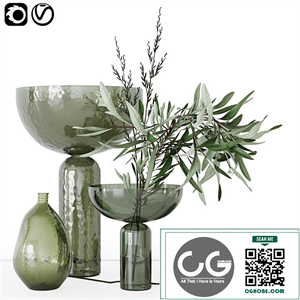
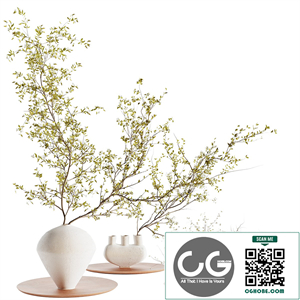
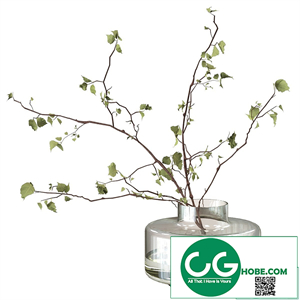
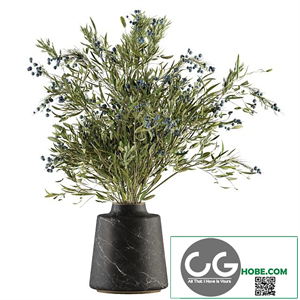
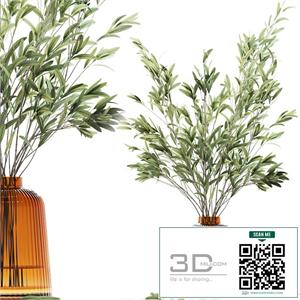
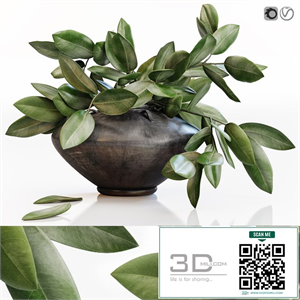
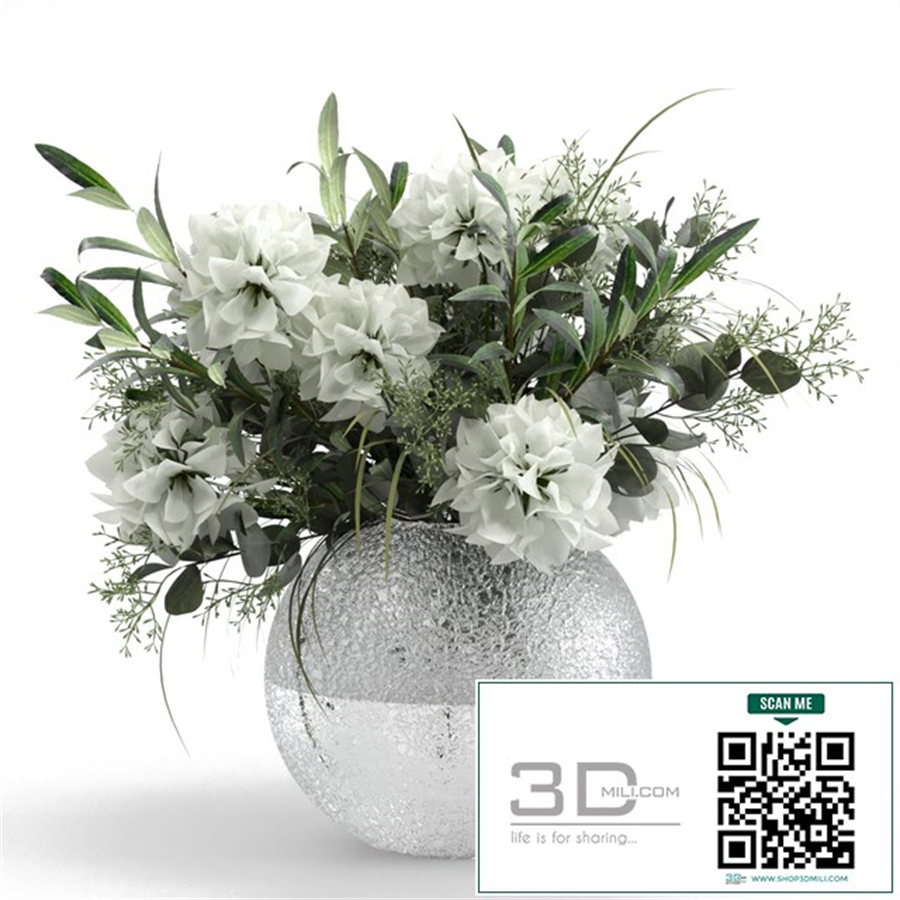
This design, a *bouquet* of *olive branches* interwoven with *flowers*, transcends mere aesthetics. It's a powerful visual metaphor, laden with symbolism and capable of conveying a range of emotions and messages, depending on the specific flowers chosen and the overall arrangement style. This exploration delves into the rich meanings associated with each element, examines the design possibilities, and considers the contexts in which this type of bouquet might be most effectively deployed.
Part 1: The Olive Branch – A Symbol of Peace and Renewal
The *olive branch*, a ubiquitous symbol across cultures and history, carries profound weight. Its association with *peace* and *reconciliation* stems from its ancient significance in the Mediterranean world. The dove returning to Noah's Ark with an olive branch in its beak (Genesis 8:11) cemented its status as a potent emblem of hope and the cessation of conflict. This biblical image profoundly influenced subsequent interpretations, solidifying its connection to *renewal*, *hope*, and the promise of a brighter future after hardship.
Beyond its religious significance, the *olive branch* represents *strength* and *longevity*. Olive trees are renowned for their resilience, their ability to thrive in harsh conditions, and their impressively long lifespans. This resilience translates into a symbolic representation of *endurance*, *perseverance*, and the capacity to overcome adversity. Incorporating *olive branches* into a bouquet instantly elevates its meaning, adding layers of depth and significance that simple floral arrangements lack. The *olive branch's* muted green color also provides a striking contrast and calming backdrop for the vibrancy of the accompanying flowers.
Part 2: The Power of Flowers – A Spectrum of Meaning
The choice of *flowers* significantly impacts the overall message of the *bouquet*. The *olive branches* provide a foundation of peace and resilience, but the *flowers* add a spectrum of nuanced emotions and personalized meanings. Carefully selecting the *flowers* allows the designer to tailor the *bouquet* to a specific occasion, recipient, and desired sentiment. Let's explore some examples:
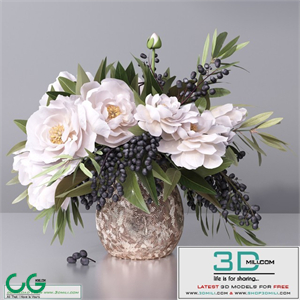
* Roses: These classic blooms symbolize *love*, *passion*, and *romance*. A *bouquet* combining *rose* and *olive branches* could express a message of enduring love, a peaceful and lasting relationship, or a reconciliation after a period of conflict. The color of the roses further refines the message: red for passionate love, white for purity and innocence, yellow for friendship and joy.
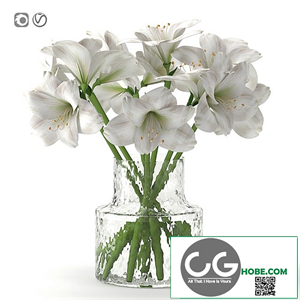
* Lilies: Known for their elegance and purity, *lilies* represent *sympathy*, *regret*, and *remembrance*. A *bouquet* of *olive branches* and white *lilies* would be appropriate for a funeral or a memorial service, symbolizing peace and the hope of a peaceful afterlife, whilst acknowledging the loss.
* Sunflowers: These cheerful blooms radiate *joy*, *optimism*, and *admiration*. Combining *sunflowers* with *olive branches* creates a *bouquet* that celebrates positivity and resilience, perfect for a get-well gift or a congratulatory gesture.
* Lavender: The calming scent and delicate purple hue of *lavender* symbolize *peace*, *tranquility*, and *rest*. This pairing with *olive branches* enhances the already present themes of peace and tranquility, making it ideal for a relaxing atmosphere or as a thoughtful gift for someone dealing with stress.
* Daisies: Representing *innocence*, *purity*, and *new beginnings*, *daisies* create a fresh and vibrant contrast with the mature elegance of *olive branches*. This combination works well for celebrations, signifying a peaceful start to a new chapter.
Part 3: Design Considerations and Arrangement Styles
The aesthetic impact of the *bouquet* depends heavily on the design choices. The *arrangement style* plays a crucial role in communicating the desired mood and message. Here are a few ideas:
* Rustic Chic: This style emphasizes natural textures and a slightly undone aesthetic. *Olive branches* form the base, interwoven with wildflowers and sprigs of greenery, creating a relaxed and inviting atmosphere.
* Formal Elegance: A more structured arrangement, featuring meticulously placed *flowers* and neatly arranged *olive branches*, exudes sophistication and refinement. This style is suitable for formal events or occasions requiring a more polished presentation.
* Modern Minimalist: A clean and simple design focusing on a limited palette of colors and a few carefully chosen *flowers* alongside the *olive branches*. This style highlights the inherent beauty of the individual elements, emphasizing their symbolic meaning.
* Cascading Design: A cascading bouquet features *olive branches* flowing gracefully downwards, interspersed with *flowers* that dangle and trail, creating a sense of movement and fluidity. This is particularly effective for weddings or other celebratory events.
The *color palette* is another critical design element. The muted greens of the *olive branches* provide a versatile backdrop for various colors. A monochromatic palette using shades of green and white conveys serenity, while brighter colors add vibrancy and energy. Careful consideration of the *container* also contributes to the overall aesthetic. A rustic basket enhances a rustic-chic style, while a sleek modern vase complements a minimalist design.
Part 4: Occasion and Context
The *bouquet* of *olive branches* and *flowers* is remarkably versatile, adaptable to a wide range of occasions and contexts:
* Weddings: Symbolizing peace, lasting love, and a hopeful future.
* Funerals: Expressing sympathy, remembrance, and peaceful passage.
* Anniversaries: Celebrating enduring love and reconciliation.
* Birthdays: Wishing peace, joy, and new beginnings.
* Get-Well Gifts: Promoting healing and conveying wishes for recovery.
* Corporate Events: Representing peace, collaboration, and successful partnerships.
* Peace Activism: Visually conveying a message of peace and reconciliation.
The adaptability of this design lies in its inherent symbolism and its capacity for personalization through the choice of *flowers* and arrangement style. By carefully considering the occasion, the recipient, and the desired message, one can create a truly meaningful and impactful *bouquet* that transcends the typical floral arrangement.
Part 5: Conclusion: Beyond the Visual
The *bouquet* of *olive branches* and *flowers* is more than just a beautiful arrangement; it is a powerful statement. It’s a visual representation of complex emotions and profound meanings, a silent messenger conveying messages of peace, hope, resilience, and remembrance. By understanding the symbolism of each element and considering the design possibilities, one can create a truly unique and meaningful expression, a testament to the power of thoughtful design and the enduring appeal of timeless symbols. The *bouquet*, therefore, becomes a powerful tool for communication, a conversation starter, and a lasting reminder of the sentiments it expresses. Its versatility ensures its suitability for a wide range of occasions, making it a truly timeless and impactful design choice.