## Designing the Perfect Children's Room Set: A Comprehensive Guide
Creating a child's bedroom is more than just choosing furniture; it's about crafting a space that fosters *growth*, *imagination*, and *comfort*. This guide delves into the essential aspects of designing a complete children's room set, covering everything from selecting the right *furniture* to incorporating *safety* features and choosing the perfect *décor*. We'll explore various *styles*, *age-appropriateness*, and *practical considerations* to help you create a room your child will love for years to come.
Part 1: Planning the Perfect Layout and Functionality
Before diving into the exciting world of furniture and décor, it's crucial to plan the *layout* of your child's room. Consider the room's *dimensions* and how best to utilize the available *space*. A well-planned layout ensures *efficiency* and *flow*, making the room both functional and aesthetically pleasing.
* Assessing the Space: Measure the room carefully. Note the placement of *windows*, *doors*, and any existing *features* like built-in wardrobes or alcoves. This information is crucial for determining furniture placement and size.
* Defining Zones: Divide the room into distinct zones to optimize its functionality. These zones typically include a *sleeping area*, a *playing area*, a *storage area*, and possibly a *learning area* (depending on the child's age). Consider your child’s *activities* and needs when defining these zones. For example, a toddler's room might prioritize a spacious play area, whereas a teenager's room might require a dedicated study space.
* Furniture Placement: Strategically position furniture to maximize space and create a comfortable flow. Avoid overcrowding the room. Consider the *traffic flow*; you want easy access to different areas without feeling cramped. Place the bed away from *direct sunlight* and *draughts*.
* Adaptability and Future Growth: Children grow rapidly. Choose *furniture* that can adapt to their changing needs. A *toddler bed* can be upgraded to a *single bed*, and modular *storage solutions* can be rearranged or expanded as required. Investing in *versatile* pieces ensures longevity and avoids frequent replacements.
Part 2: Selecting the Right Children's Room Furniture
The *furniture* you choose forms the backbone of your child's room. Prioritize *quality*, *safety*, and *functionality*. Consider both the child’s *current* needs and their *future* requirements.
* The Bed: The bed is the central piece of furniture. For toddlers, a *cot* or *crib* is essential. As they grow, you might transition to a *toddler bed*, a *single bed*, or even a *bunk bed* (depending on space and the number of children). Ensure the bed is *sturdy*, *safe*, and appropriately sized. Consider *mattress quality*; a good mattress is crucial for your child’s sleep and development.
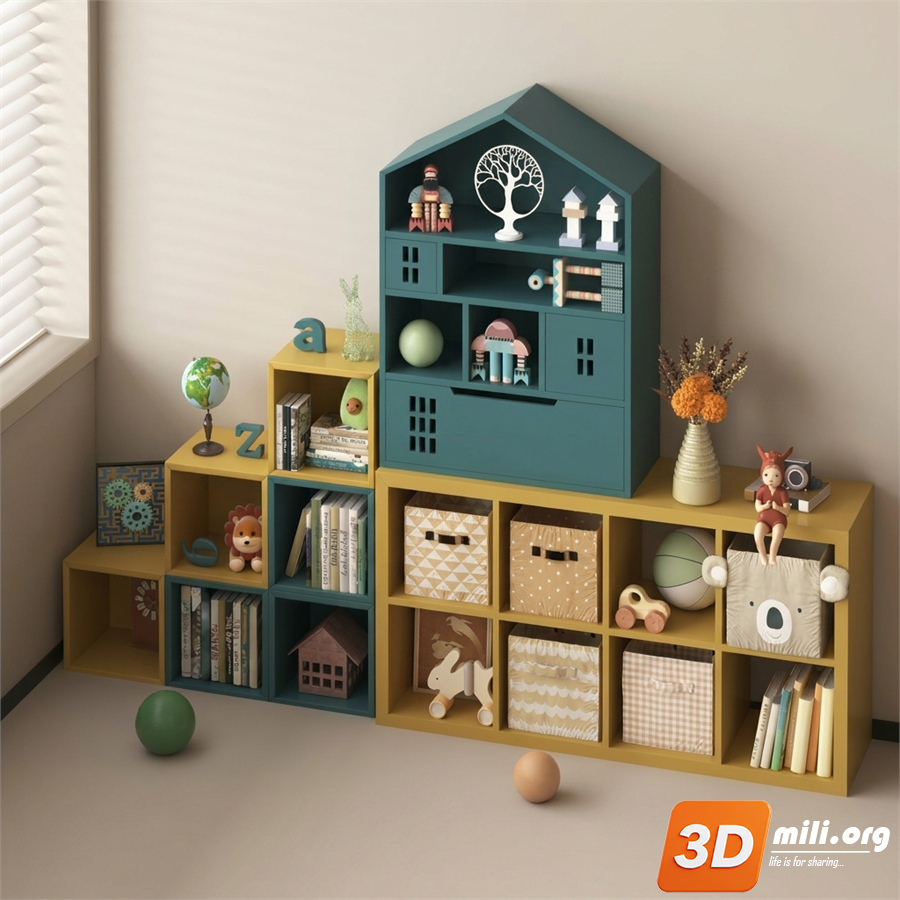
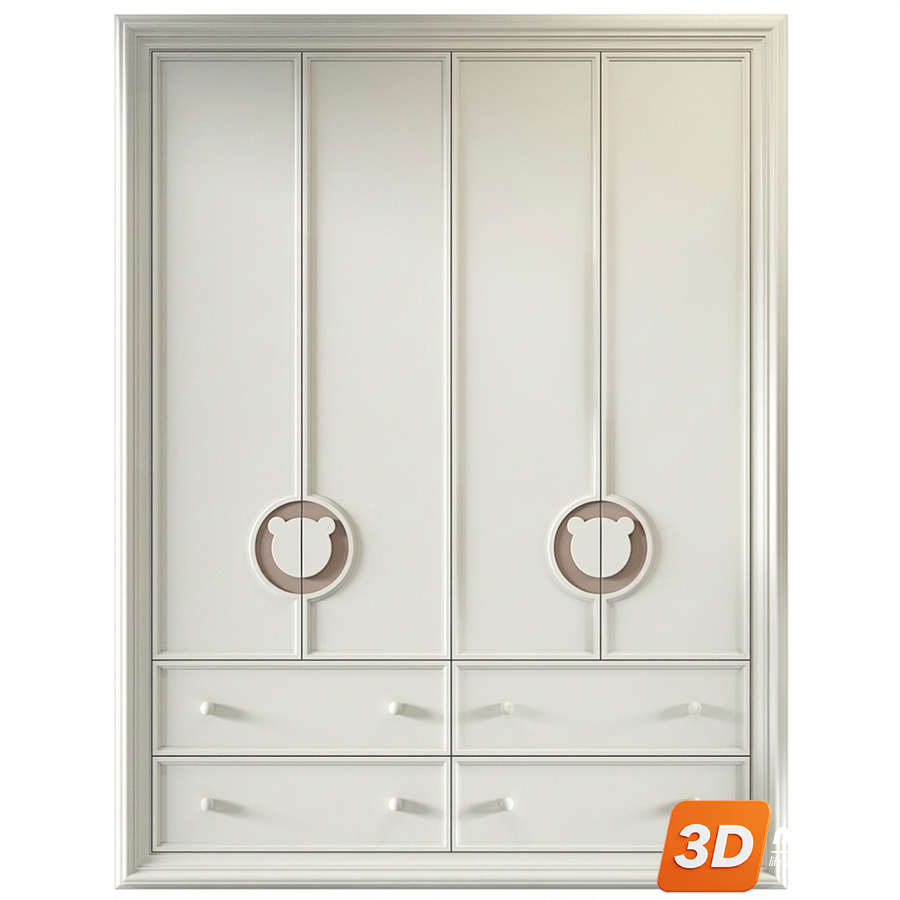
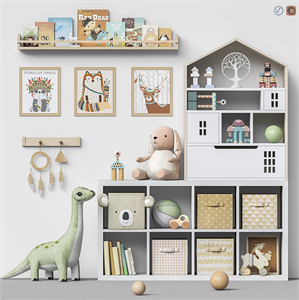
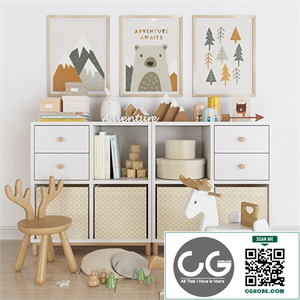
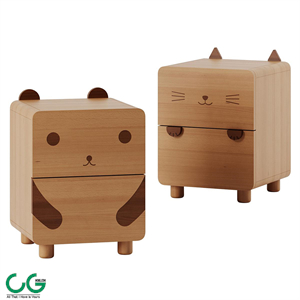
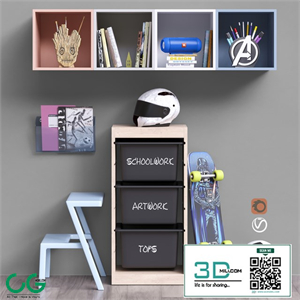
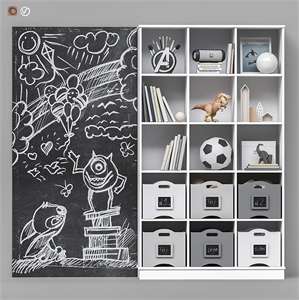
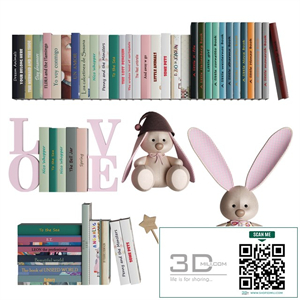
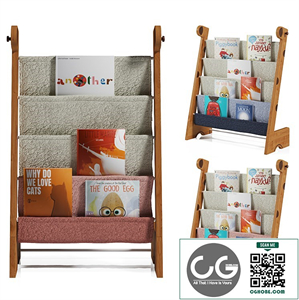
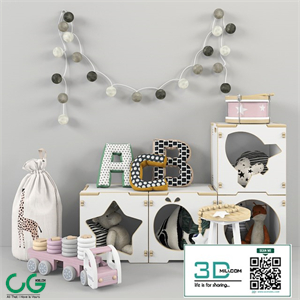
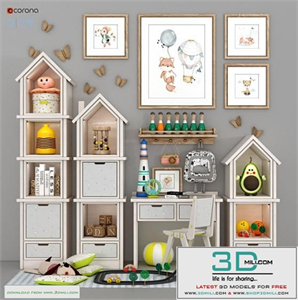
* Storage Solutions: Children accumulate toys, books, and clothes quickly. Sufficient *storage* is vital for maintaining a tidy and organized space. Opt for *chests*, *drawers*, *shelves*, and *wardrobes* that are appropriately sized and easy for your child to access. Consider *labelled boxes* and containers to help them organize their belongings.
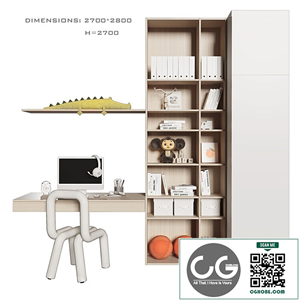
* Desk and Chair (for older children): As children get older, a dedicated *desk* and *chair* become essential for homework and creative projects. Choose an ergonomically designed chair to promote good posture and prevent back problems. The desk should be spacious enough for their needs and well-lit.
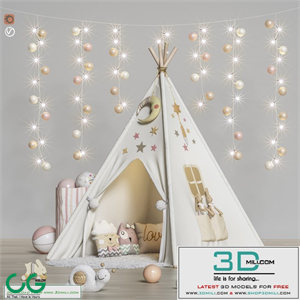
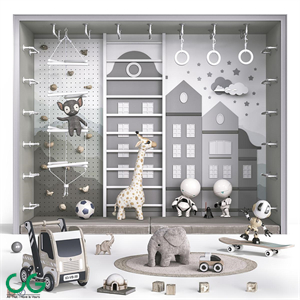
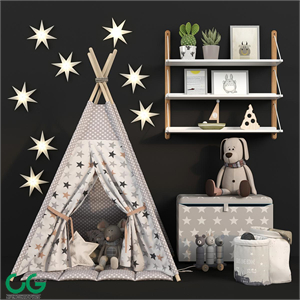
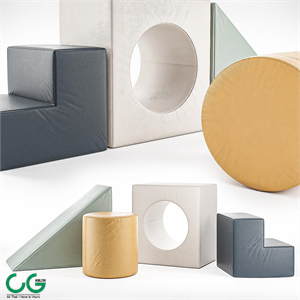
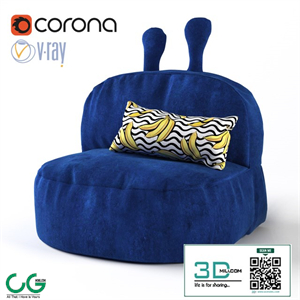
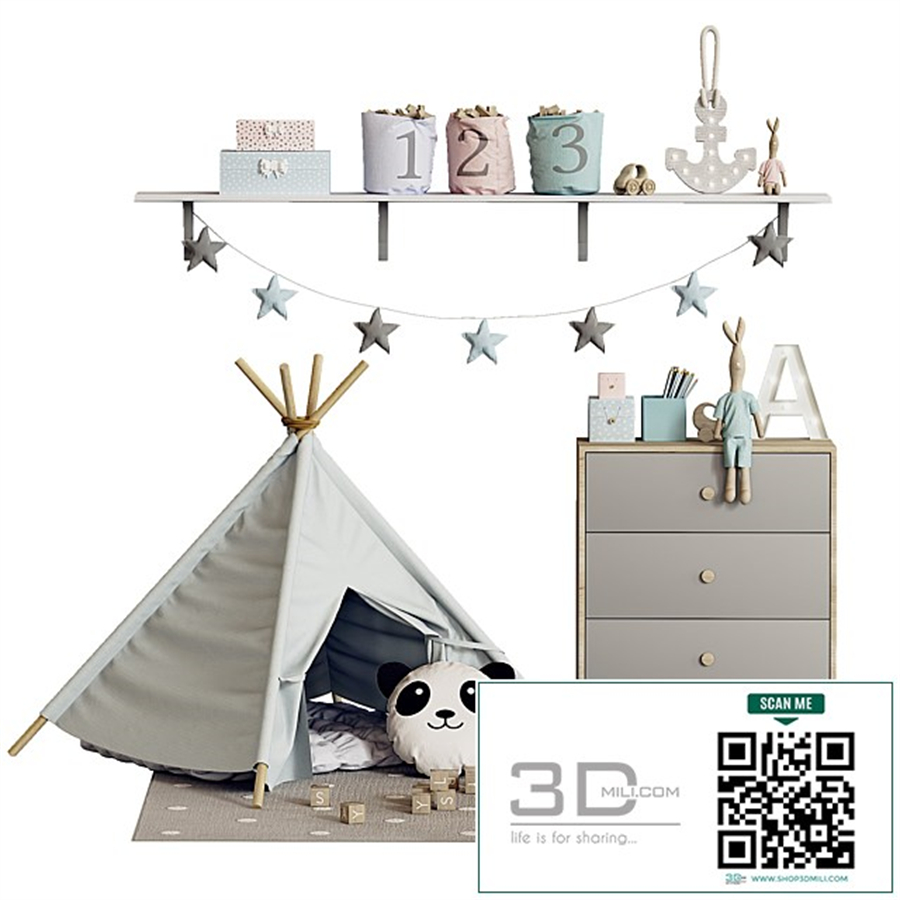
* Play Area Furniture: The play area might include items like a *playmat*, a *teepee*, a *toy box*, or *soft seating*. Prioritize *safety* and *durability*.
Part 3: Safety First: Creating a Secure and Child-Friendly Environment
*Safety* is paramount when designing a child's room. Take steps to minimize potential hazards and create a safe and secure environment.
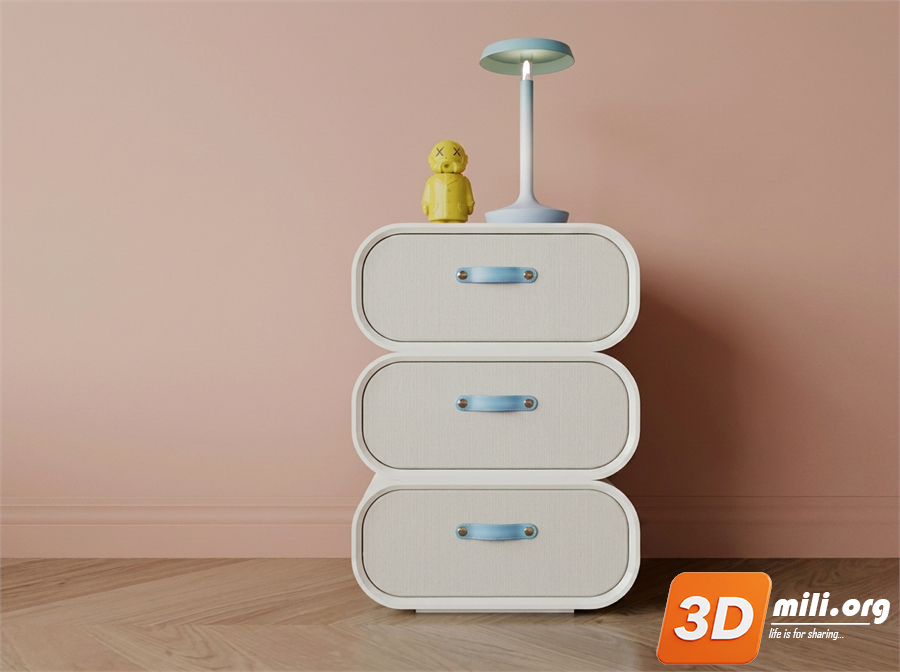
* Sharp Edges and Corners: Opt for furniture with *rounded edges* and *corners* to prevent injuries. Consider using *corner protectors* if necessary.
* Secure Furniture: Make sure all furniture is *sturdy* and securely attached to the wall, especially tall items like bookcases and wardrobes, to prevent them from tipping over.
* Electrical Outlets and Cords: Cover *electrical outlets* with safety covers and keep electrical *cords* out of reach. Teach your child about electrical safety.
* Window Treatments: Choose *window coverings* that are safe for children, avoiding long cords that could pose a strangulation hazard.
* Flooring: Choose flooring that is *soft* and *non-slip* to minimize the risk of falls and injuries. Consider *carpeting* or *rugs* in play areas.
* Toxic Substances: Avoid using *toxic paints*, *adhesives*, and *furniture* made with harmful materials. Opt for *eco-friendly* and *child-safe* products.
Part 4: Choosing a Style and Décor
The *style* and *décor* of the room should reflect your child's personality and interests. Consider their *age*, *preferences*, and the overall *theme* you want to create.
* Themes and Color Palettes: Popular themes include *animals*, *fairytales*, *space*, and *sports*. Choose *colors* that are calming and stimulating, and consider your child's favorite colors. A balanced color scheme will create a pleasant and inviting atmosphere.
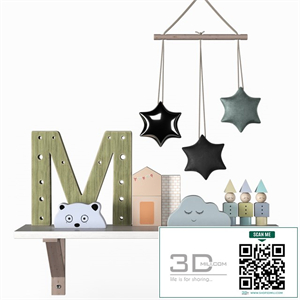
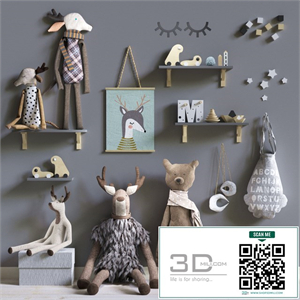
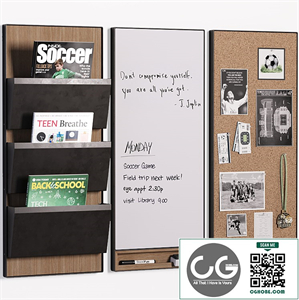
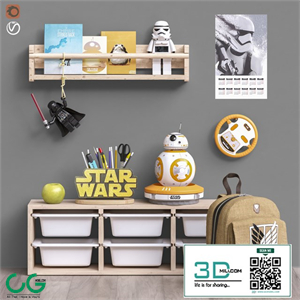
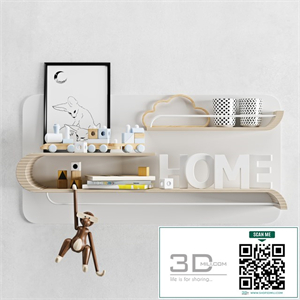
* Wall Decor: Incorporate *wall art*, *posters*, *stickers*, and *shelves* to personalize the space. Avoid overcrowding the walls with too much visual stimulation.
* Textiles and Soft Furnishings: Soft furnishings like *rugs*, *curtains*, *throws*, and *cushions* add warmth, texture, and comfort to the room. Choose fabrics that are easy to clean and maintain.
* Lighting: Adequate *lighting* is crucial. Combine *ambient lighting* (overhead light), *task lighting* (desk lamp), and *accent lighting* (nightlight) to create a versatile and functional lighting scheme.
Part 5: Practical Considerations and Maintenance
* Easy to Clean: Choose furniture and materials that are easy to *clean* and maintain. Children often make messes, so easy-to-clean surfaces are essential.
* Durability: Invest in *durable* furniture that can withstand the wear and tear of daily use. Choose furniture made from high-quality materials.
* Organization: Teach your child about *organization* and tidying up from a young age. Provide them with adequate *storage space* and encourage them to keep their belongings organized.
* Budget: Set a *budget* before you start shopping. Children's room furniture can range in price, so it’s important to plan your spending wisely.
By following these steps and considering the important aspects discussed, you can create a beautiful, functional, and safe children's room set that your child will love and cherish for years to come. Remember that the process should be enjoyable, involving your child in the design choices to help them feel a sense of ownership and pride in their space. It's their room; let their *personality* shine through!