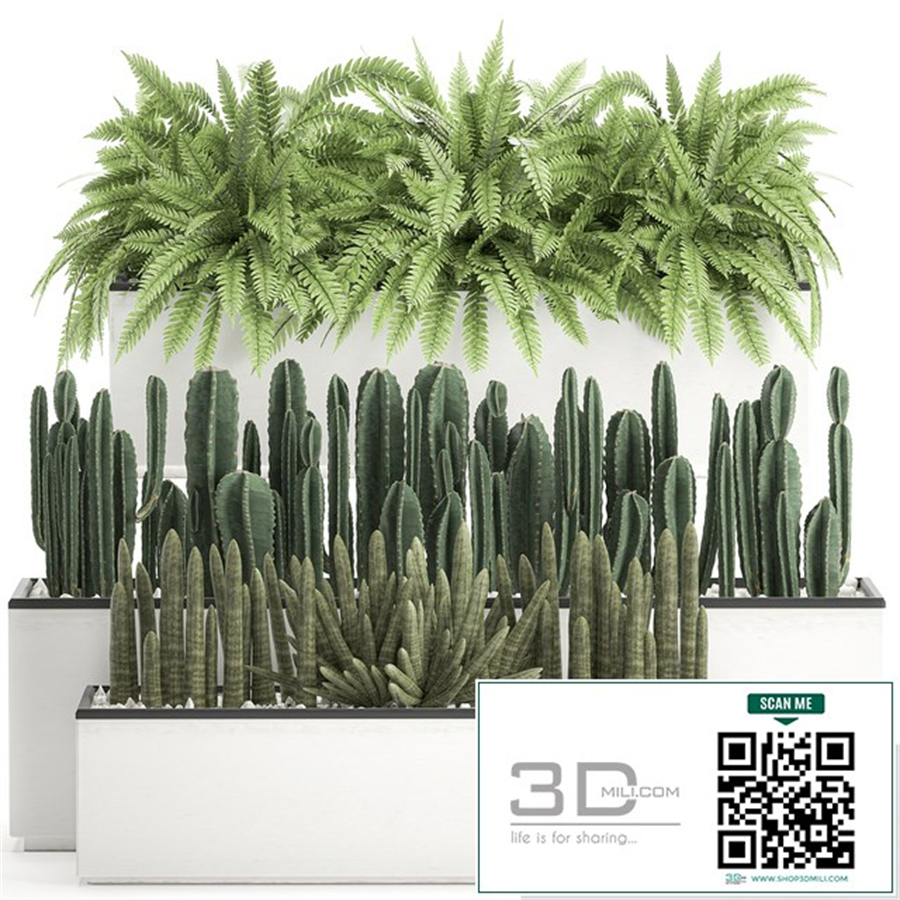
## Set 584: A Study in Contrasting Textures and Forms – An Outdoor Planting Design
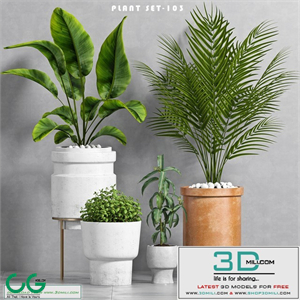
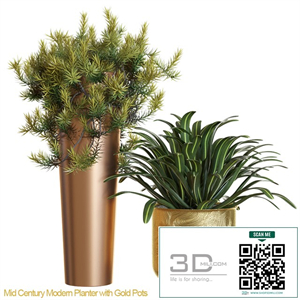
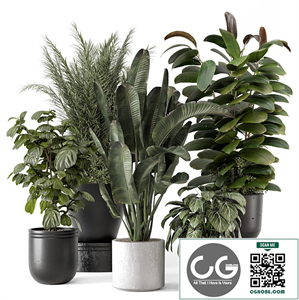
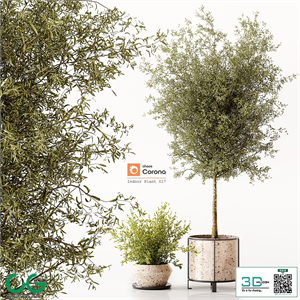
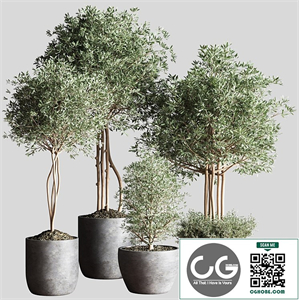
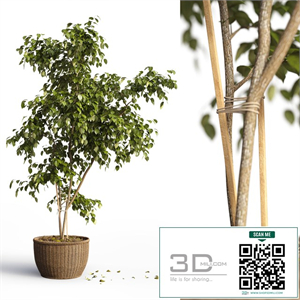
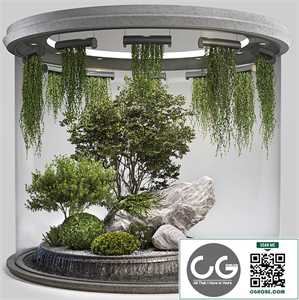
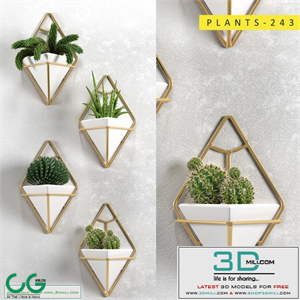
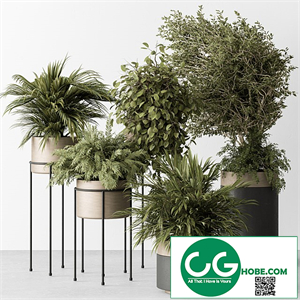
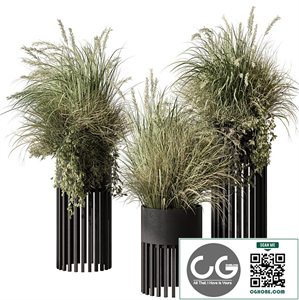
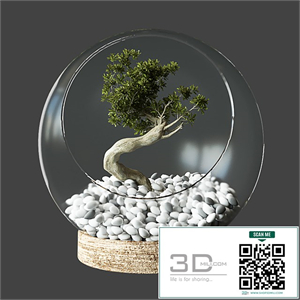
This design, Set 584, presents a carefully curated collection of plants arranged in outdoor white potted flower beds. The chosen species – *ferns*, *Cereus cacti*, *Sansevieria* (snake plants), and various other *cacti* – offer a fascinating interplay of textures, forms, and care requirements, resulting in a visually striking and relatively low-maintenance outdoor landscape. The unifying element – the crisp, clean aesthetic of the *white pots* – provides a stark yet elegant backdrop that enhances the inherent beauty of each plant.
Part 1: The Power of Contrast – Texture and Form
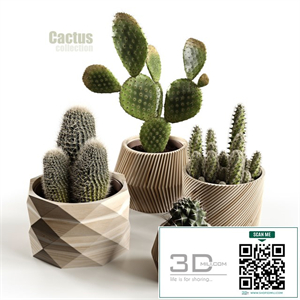
The most compelling aspect of Set 584 is its masterful use of contrast. The soft, delicate fronds of the *ferns*, with their feathery, almost ethereal quality, provide a stark counterpoint to the rigid, geometric forms of the *Cereus cacti*. These columnar cacti, with their spiny surfaces and dramatic verticality, introduce a strong, architectural element to the design. The *Sansevieria*, with their sword-like leaves and robust structure, bridge the gap between these two extremes, offering a more structured yet still organic visual appeal. The inclusion of additional *cactus* varieties, selected based on their size, shape, and spine structure, further enhances the textural complexity and visual interest of the arrangement. The selection might include smaller, globular cacti, providing a contrasting roundness to the long, slender Cereus, or perhaps species with densely packed spines offering a different textural experience.
The *white pots* themselves contribute significantly to this play of contrasts. Their bright, clean surfaces provide a neutral canvas, allowing the colors and textures of the plants to take center stage. The uniform color of the pots creates a sense of order and harmony, subtly uniting the diverse collection of plants into a cohesive whole. The choice of white also enhances the brightness of the surroundings, creating a sense of openness and spaciousness, particularly effective in shaded areas where the white pots will reflect light. Different sizes and shapes of *white pots* can further enhance the visual dynamism of the arrangement. For example, using a mix of cylindrical, square, or even spherical pots can create a more playful and less monotonous display.
Part 2: Plant Selection – A Detailed Look at Individual Species
Let's delve deeper into the specific plant choices and their contribution to the overall design.
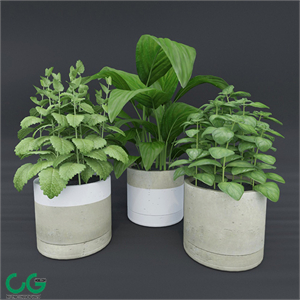
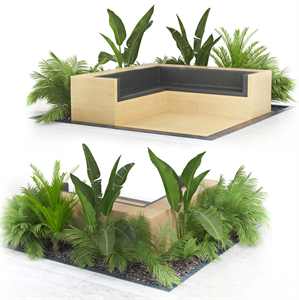
* Ferns: The inclusion of ferns brings a sense of lushness and vitality. Their delicate, feathery fronds add a touch of softness and elegance, contrasting beautifully with the harsher textures of the cacti. The specific type of fern will influence the overall aesthetic. A *larger, spreading fern* might be placed centrally, acting as a focal point, while smaller ferns could be used to fill in gaps and create a more densely textured look. Ferns also contribute a slightly cooler, more shaded feel, which can be particularly important in hotter climates where the cacti might otherwise dominate the arrangement.
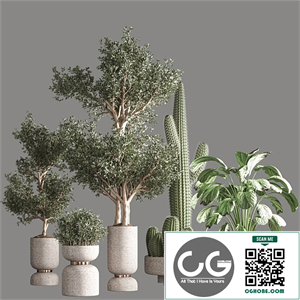
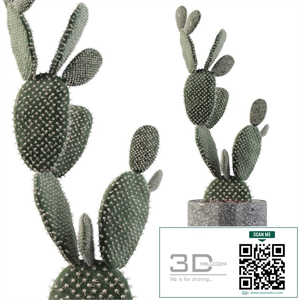
* Cereus Cacti: The *Cereus cacti* act as strong vertical accents. Their tall, columnar forms add a sense of drama and architectural weight to the design. The choice of *Cereus* species will also influence the appearance; some species have prominent ribs, while others are smoother. Their spiny texture adds a layer of visual interest and a sense of protection. Their placement should be strategic, considering their eventual size and ensuring they don't overshadow other elements.
* Sansevieria (Snake Plants): These *hardy, low-maintenance plants* add a strong, graphic element to the arrangement. Their upright, sword-like leaves introduce a clean, almost architectural line that complements the verticality of the Cereus while offering a different textural experience. The striking patterns on some *Sansevieria varieties* can introduce further visual complexity and color variation.
* Other Cacti: The addition of other *cactus species* broadens the range of textures, forms, and colors. Smaller, globular cacti add a touch of playfulness and rounded contrast to the angular forms of the Cereus. Cacti with different spine structures – dense, sparse, long, short – enhance the textural complexity, ensuring a richer sensory experience. Color variation within the cacti, from shades of green to reddish hues, can further increase the visual appeal. Care should be taken in selecting *cactus* companions for the Cereus and *Sansevieria* to ensure they have similar light and water requirements.
Part 3: Considerations for Placement and Maintenance
The success of Set 584 relies not only on the plant selection but also on its careful placement and ongoing maintenance.
* Sunlight: The placement should take into account the *light requirements* of each plant. The *Cereus cacti* and many other *cactus species* will need ample sunlight, while the *ferns* and some *Sansevieria varieties* might tolerate more shade. Strategic placement within the arrangement will maximize the light available to each plant while ensuring the delicate ferns aren’t scorched. A location receiving at least several hours of direct sunlight is optimal for this mix.
* Watering: *Watering requirements* vary widely among the species. *Cacti* generally need less frequent watering than *ferns*. Overwatering can be detrimental to *cacti*, while underwatering can harm *ferns*. A mindful watering schedule that caters to the needs of each individual plant is essential. Careful monitoring of soil moisture levels in individual pots is crucial.
* Drainage: The use of well-draining potting mix is crucial for preventing root rot, particularly for *cacti*. The *white pots* should have drainage holes to prevent waterlogging.
* Overall Aesthetic: The arrangement within the *white pots* should consider the visual balance and harmony. Taller plants, such as the *Cereus cacti*, might be placed towards the back or center, while smaller plants can be used to fill in the front. The interplay of textures and forms should be carefully considered to create a visually appealing and cohesive display. Regular pruning and deadheading of spent blooms will maintain the overall neatness and aesthetic appeal of the arrangement.
Part 4: Expanding on Set 584 – Customization and Variations
Set 584 serves as a template, allowing for considerable customization and adaptation to diverse contexts. The number and types of *cacti* can be easily modified to suit individual preferences and available space. Different varieties of *ferns* can also be incorporated to alter the overall texture and color palette. The size and arrangement of the *white pots* are also flexible, allowing the designer to create a larger or smaller display, or to adjust the visual rhythm and balance.
For example, a smaller version of Set 584 could focus solely on smaller cacti and a single variety of fern, creating a more compact and less dramatic arrangement suitable for a patio or balcony. Conversely, a larger-scale version could incorporate larger specimens of *Cereus* and a wider selection of *ferns*, resulting in a bolder and more expansive display. The *white pots* could be varied in shape and size, creating a more dynamic and artistic presentation. The addition of ornamental gravel or pebbles around the base of the pots can enhance the overall aesthetic.
In conclusion, Set 584 offers a beautiful and relatively low-maintenance outdoor planting design. Its success hinges on the interplay of contrasting textures and forms, the careful selection of plant species, and the strategic use of *white pots* as a unifying element. The flexibility of the design allows for customization and adaptation to various settings and preferences, offering a versatile and visually appealing solution for enhancing any outdoor space.