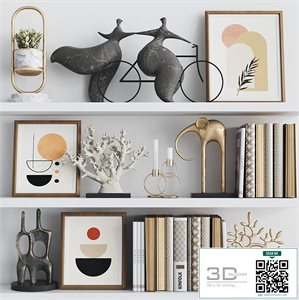
## A Deep Dive into Decorative Sets: Design, Function, and Cultural Significance
Decorative sets, in their myriad forms, represent a fascinating intersection of artistry, functionality, and cultural expression. From the meticulously crafted porcelain tea sets of 18th-century Europe to the vibrant, handcrafted ceramic dinnerware of contemporary Mexico, these collections transcend mere utility, becoming powerful statements of personal style, social status, and historical context. This exploration delves into the intricate world of decorative sets, examining their historical evolution, design principles, diverse materials, and the enduring appeal that continues to captivate collectors and enthusiasts alike.
Part 1: Defining the Decorative Set – Beyond Mere Ornamentation
What constitutes a "decorative set"? The term itself suggests a collection of items, united by a common aesthetic and often intended for a specific purpose, even if that purpose is primarily decorative. While some sets possess a clear and practical function – such as a *coffee service* complete with pot, cups, and saucers – others exist primarily for their visual impact, enhancing a space with their *aesthetic qualities*. This blurring of lines between utility and ornamentation is a defining characteristic.
Consider a *vintage glassware set*, meticulously crafted with intricate etched designs. While it might serve to hold drinks, its primary value lies in its beauty and historical significance. Similarly, a collection of *decorative porcelain figurines*, themed around a particular era or subject matter, serves no practical purpose beyond adding elegance and visual interest to a shelf or mantelpiece. This inherent duality – the blend of functional and aesthetic considerations – is crucial to understanding the essence of a decorative set. The *design philosophy* behind each set, whether it prioritizes intricate detail, minimalist simplicity, or a bold, maximalist approach, dictates its overall impact.
Part 2: A Journey Through Time: Historical Context and Evolutions in Design
The history of decorative sets is a rich tapestry woven from various cultural threads and technological advancements. *Early examples*, often handcrafted from *natural materials* like wood and clay, reflected the simple needs and aesthetics of their time. As civilizations progressed, so did the complexity and sophistication of decorative sets.
The *Renaissance* witnessed the rise of elaborate *metalwork sets*, often embellished with intricate carvings and precious stones, reflecting the wealth and power of the patrons who commissioned them. The *18th and 19th centuries* saw the flourishing of porcelain and ceramic production, leading to the creation of exquisitely detailed *tea sets*, *dinner services*, and *dessert sets* that became symbols of social status and refined taste. The *Art Nouveau* and *Art Deco* movements further revolutionized design, introducing stylized floral motifs, geometric patterns, and streamlined forms that remain influential today. The *mid-20th century* embraced modernism, with a focus on clean lines, functional design, and innovative materials.
Each era left its indelible mark, resulting in a wide array of styles and aesthetics that continue to inspire contemporary designers. Understanding these historical influences is key to appreciating the nuances and complexities of decorative sets. The *evolution of materials*, from humble clay to precious metals and advanced ceramics, also reflects the technological and economic progress of each period.
Part 3: Materials and Craftsmanship: The Heart of the Decorative Set
The *materials* used to create decorative sets are as diverse as the sets themselves. *Ceramics*, including porcelain, earthenware, and stoneware, have long been favored for their versatility, durability, and ability to be adorned with intricate designs. *Glass*, with its inherent brilliance and transparency, offers a completely different aesthetic, from delicate hand-blown pieces to sturdy, mass-produced glassware. *Metal*, ranging from sterling silver to base metals like pewter and brass, provides opportunities for elaborate detailing and a sense of weight and permanence. *Wood*, especially in the form of intricately carved boxes or serving trays, adds a touch of natural warmth and elegance.
The *craftsmanship* involved in creating decorative sets is often a crucial aspect of their value and appeal. *Hand-painted designs*, *meticulous carving*, *intricate metalwork*, and *skilled glassblowing* all contribute to the uniqueness and artistry of each piece. The *level of craftsmanship* can range from mass-produced items to highly sought-after artisanal creations, impacting both the price and the perceived value of the set. The *attention to detail*, the precision of execution, and the overall quality of the materials all speak to the dedication and skill of the artisans involved.
Part 4: Design Principles and Aesthetics: Creating a Cohesive Whole
A truly successful decorative set transcends the individual components, creating a cohesive and visually appealing whole. Several key *design principles* contribute to this sense of unity:
* *Color palette:* The selection of colors plays a crucial role in establishing the overall mood and aesthetic of the set. A harmonious color scheme, whether it’s a monochromatic approach or a vibrant contrast, creates visual balance and unity.
* *Pattern and texture:* The interplay of patterns and textures adds depth and visual interest. A set might feature repeating motifs, geometric patterns, or variations in surface texture to create visual rhythm and complexity.
* *Shape and form:* The shapes and forms of individual pieces should complement each other, creating a sense of visual flow and coherence. Proportions and scale are also critical in achieving a balanced and harmonious overall composition.
* *Style and theme:* A consistent style and theme unite the individual pieces, creating a cohesive narrative. This could range from a minimalist aesthetic to a richly embellished baroque style, or a specific thematic focus, such as floral motifs, geometric patterns, or historical representations.
The *aesthetic qualities* of a decorative set are subjective, influenced by personal preferences and cultural context. However, certain principles of good design, such as balance, proportion, and harmony, contribute to the overall visual appeal and enduring value of the collection.
Part 5: The Enduring Appeal: Collecting, Displaying, and Preserving Decorative Sets
The enduring appeal of decorative sets lies not only in their aesthetic qualities but also in their ability to evoke memories, connect us to the past, and serve as a tangible expression of personal style. *Collecting decorative sets* has become a popular hobby, with enthusiasts seeking out rare and valuable pieces, building collections themed around specific periods, styles, or materials.
*Displaying decorative sets* is an art in itself. The way a set is displayed significantly impacts its visual impact and overall aesthetic contribution to a space. Careful consideration of lighting, background, and surrounding elements is essential to showcase the beauty and craftsmanship of each piece. *Preserving decorative sets* requires understanding the materials and proper handling techniques to ensure their longevity. Cleaning, storage, and protective measures are all crucial to maintaining the condition and value of these treasured items.
In conclusion, decorative sets are far more than mere ornaments; they are complex and multifaceted objects that reflect cultural values, technological advancements, and artistic expression. Their historical significance, diverse materials, intricate craftsmanship, and evolving design principles contribute to their lasting appeal, making them valued possessions for collectors and a source of inspiration for designers and enthusiasts alike. The study of decorative sets provides a rich window into the past, present, and future of design and human creativity.