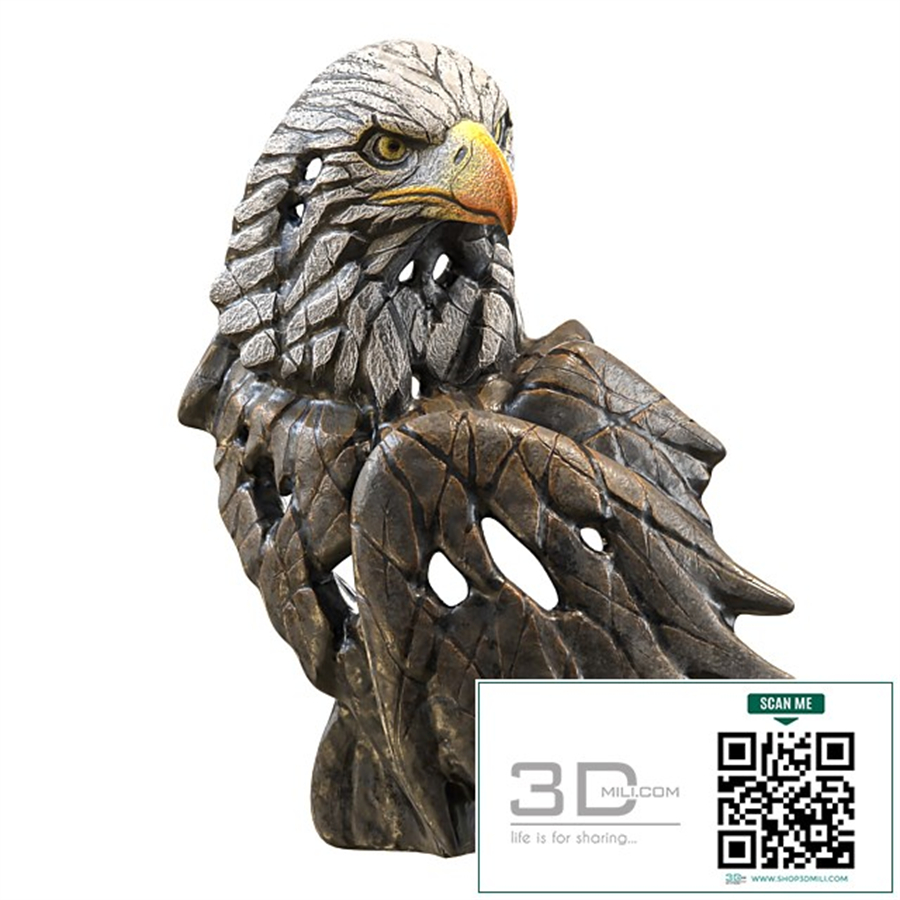
## The Majestic Eagle Bust: A Design Exploration
This design exploration delves into the creation and conceptualization of an *eagle bust*, a sculptural representation of an eagle's head and upper torso. We will examine various aspects, from the initial *conceptualization* and *artistic choices* to the *technical considerations* and *potential interpretations* of this powerful and symbolic subject.
Part 1: Conceptual Foundations: Choosing the Eagle
The *eagle*, a creature revered across numerous cultures, carries significant weight in symbolism. From the bald eagle's prominence as a national symbol of the United States, representing *freedom* and *power*, to its appearance in various mythologies as a messenger of the gods or a symbol of *regal authority* and *strength*, the choice of this majestic bird for a bust is inherently impactful. The specific *species of eagle* chosen will significantly impact the final design. A bald eagle, with its stark white head and brown body, will lend itself to a very different aesthetic than, say, a golden eagle with its rich, golden-brown plumage and powerful build. The *overall mood and message* intended for the bust will inform this crucial early decision. Are we aiming for a majestic and serene representation? Or a fierce and imposing one? This foundational choice determines the stylistic direction and the subsequent design choices. The *size and scale* of the eagle bust also fall under this initial conceptual phase. A smaller, more delicate bust might suit an intimate setting, while a larger, more dramatic piece would be better suited for a public space or a grand collection.
Part 2: Artistic Choices: Style and Medium
Once the *species* and *overall concept* are solidified, the next crucial step is determining the *artistic style* and the chosen *medium*. This involves considering several key factors:
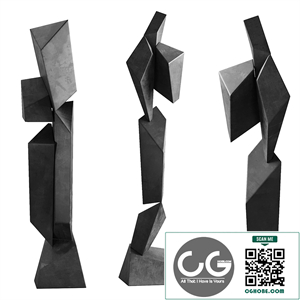
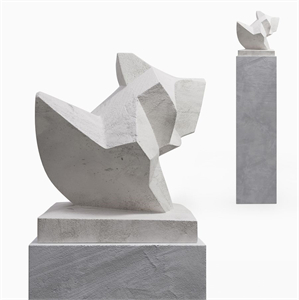
* Realism vs. Stylization: A *realistic* eagle bust will aim for an accurate anatomical depiction, focusing on detail and capturing the natural texture of feathers and skin. Conversely, a *stylized* approach might abstract certain features, simplifying the form for a more expressive or symbolic effect. A *cubist* interpretation might fragment the eagle's form into geometric shapes, while an *Art Nouveau* style might incorporate flowing lines and organic ornamentation.
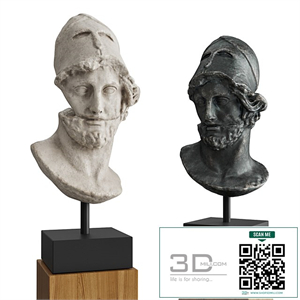
* Material Selection: The choice of *material* directly influences the final appearance and feel of the bust. *Bronze* offers a sense of permanence, strength, and classical elegance. *Marble* conveys a sense of timeless beauty and serenity. *Wood* could impart a more rustic or earthy feel. Even *modern materials* like resin or 3D-printed materials present interesting opportunities for texture and finish. The material's *workability* and *suitability* for the chosen style are paramount. For example, achieving fine detail in feathers might be easier with bronze casting than with roughly hewn wood.
* Pose and Expression: The *pose* of the eagle's head and neck significantly impacts the bust's overall impression. A proud, upright stance conveys *confidence and dominance*, while a slightly tilted head might suggest *thoughtfulness* or *regality*. The *expression* in the eagle's eye, even if subtly rendered, can communicate a vast range of emotions – from *fierce alertness* to *peaceful contemplation*. The *angle* of the beak, the *tension* in the neck muscles, and even the *placement of feathers* contribute to the overall expressiveness of the design.
Part 3: Technical Considerations: Execution and Detail
The *technical execution* of the eagle bust is crucial to translating the artistic vision into a tangible form. This phase involves meticulous planning and skillful craftsmanship.
* Sculpting Techniques: Whether using traditional *clay modeling*, *wax carving*, or digital *3D modeling*, the sculpting process requires a thorough understanding of avian anatomy and a skilled hand. Creating the *subtle curves* of the head, the *texture of feathers*, and the *powerful musculature* of the neck demands precision and patience. Different sculpting techniques offer varying degrees of control and flexibility, influencing the final level of detail achievable.
* Casting and Fabrication: For materials like bronze or resin, *casting* is a crucial step. This process involves creating a mold from the original sculpture and then pouring molten material into it. The *casting technique* employed will influence the final surface finish and the overall quality of the piece. For materials like marble or wood, the process involves *carving* or *chiseling* away material to reveal the desired form. Precise measurement and skilled craftsmanship are vital for achieving the intended design.
* Finishing Touches: The final stages of creation involve adding *finishing touches* to enhance the bust's appearance. This might include *patination* for bronze (creating a verdigris effect), *polishing* for marble, or applying a protective *coating* to prevent damage. These finishing touches significantly contribute to the overall aesthetic appeal and longevity of the artwork.
Part 4: Interpretations and Symbolism: Beyond the Aesthetics
The eagle bust, beyond its aesthetic appeal, serves as a potent symbol. Its *interpretations* can vary greatly depending on the context and the specific stylistic choices made during the design process.
* National Pride and Patriotism: In countries where the eagle is a national symbol, the bust can serve as a powerful representation of *national pride* and *patriotism*. The *scale* and *placement* of the bust can emphasize this symbolic meaning.
* Power and Authority: The eagle's strength and dominance often translate into symbolism of *power* and *authority*. This interpretation might be particularly relevant in contexts such as government buildings or leadership offices.
* Freedom and Independence: The eagle's ability to soar freely in the sky connects it to themes of *freedom* and *independence*. A stylized eagle bust could emphasize these aspects through its *posture* and *overall aesthetic*.
* Wisdom and Vision: In some cultures, eagles are associated with *wisdom* and *vision*, symbolizing a higher perspective and keen observation. This interpretation lends itself to contexts such as educational institutions or places of learning.
* Spiritual Significance: The eagle's connection to the sky and its powerful presence has led to its association with *spiritual* or *mythological* themes in various cultures. The *stylization* of the bust can accentuate this interpretation.
Conclusion:
The creation of an eagle bust is a multifaceted endeavor, encompassing artistic vision, technical skill, and symbolic meaning. From the initial concept to the final finishing touches, each decision contributes to the overall impact and interpretation of this powerful and majestic piece. The ultimate success of the design lies not only in its aesthetic qualities but also in its ability to evoke the intended symbolism and connect with the viewer on an emotional and intellectual level. The *eagle bust*, therefore, becomes more than just a sculpture; it's a statement, a symbol, and a testament to the enduring power and beauty of nature's most magnificent creatures.