## Farmstead: A Design Exploration
This document explores the design concept of "Farmstead," a multifaceted concept that transcends the simple definition of a farm. We will delve into its various interpretations, examining its aesthetic, functional, and philosophical implications. Our exploration will be structured into several sections, each focusing on a specific aspect of this rich and nuanced design idea.
Part 1: Defining the *Farmstead* Aesthetic
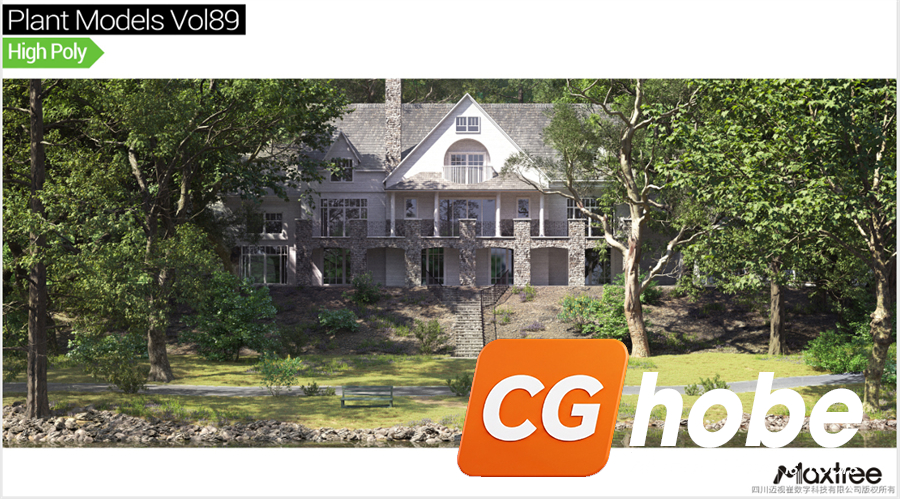
The term "Farmstead" evokes a specific imagery: a cluster of buildings nestled within a working landscape, often characterized by a sense of *rustic charm* and *timeless elegance*. However, the aesthetic of a Farmstead design is far more complex than a simple romanticization of rural life. It's about creating a *harmonious relationship* between *built environment* and *natural surroundings*.
The *palette* typically features *natural materials*: *wood*, *stone*, and *brick*, often left with a weathered, aged appearance. This sense of *authenticity* is crucial; it speaks to a respect for both the *craftsmanship* and the *passage of time*. Think exposed beams, rough-hewn timbers, and stone walls that have absorbed the history of the land. The colors tend towards *earthy tones*, mirroring the landscape – greens, browns, creams, and muted greys.
However, the *Farmstead* aesthetic isn't limited to a purely rustic expression. Contemporary interpretations can incorporate modern design elements while maintaining the core principles of *natural harmony* and *sustainable practices*. This might involve the use of *recycled materials*, *energy-efficient technologies*, and *innovative construction techniques* that minimize the environmental impact. The *overall feeling* should still convey a sense of *tranquility*, *comfort*, and a *connection to nature*. The *key* is balancing *rustic charm* with *modern functionality*.
Part 2: Functional Considerations of a *Farmstead* Design
Beyond aesthetics, the functionality of a Farmstead design is paramount. It's about creating a *space* that is both *practical* and *livable*, meeting the specific needs of its inhabitants while respecting the *surrounding environment*.
A key aspect is the *integration of agriculture* or, at least, the *embrace of a sustainable lifestyle*. This might involve incorporating elements like *on-site gardens*, *greenhouses*, *orchard spaces*, or even small-scale animal husbandry. The design should facilitate this integration, with spaces dedicated to food production and storage. This might include *dedicated outbuildings*, *sheltered areas for equipment*, and *well-designed storage solutions*.
The *layout* of the buildings is crucial. A well-designed Farmstead optimizes *space utilization* and *flow*, connecting different areas seamlessly. Considerations include proximity to water sources, efficient access to different areas of the property, and thoughtful orientation to maximize *natural light* and *ventilation*. The overall goal is to create a *functional and efficient space* that minimizes energy consumption and environmental impact.
The *choice of materials* is also key to functionality. Durable, low-maintenance materials are preferred, reflecting a long-term vision and a focus on *sustainability*. This reduces the need for frequent repairs and replacements, contributing to the overall longevity and eco-friendliness of the design.
Part 3: The Philosophical Underpinnings of *Farmstead* Living
The appeal of the Farmstead extends beyond mere aesthetics and functionality. It represents a *philosophical shift*, a return to *simpler ways of life*, and a greater connection with *nature* and *community*.
The *Farmstead* lifestyle often emphasizes *self-sufficiency* and *sustainability*. It encourages a *reduction in reliance on external systems*, fostering a sense of *independence* and *resilience*. Growing one's own food, utilizing renewable energy sources, and minimizing waste are central tenets.
The *community aspect* is also important. Many Farmstead designs are envisioned as part of a larger *network*, where neighbors share resources and knowledge, fostering a sense of *shared responsibility* and *mutual support*. This can lead to stronger social bonds and a heightened sense of belonging.
The *spiritual dimension* is also frequently emphasized. Living in close proximity to nature can promote a sense of *calm*, *reflection*, and *connection to something larger than oneself*. The Farmstead can become a place of *renewal* and *rejuvenation*, offering an escape from the stresses of modern life.
This *philosophical core* is what differentiates a Farmstead from a mere collection of buildings. It's about creating a *way of life* that is both sustainable and fulfilling, rooted in a deep respect for the *natural world* and the *importance of community*.
Part 4: Modern Interpretations of the *Farmstead* Concept
While the traditional image of a Farmstead conjures up a specific aesthetic, modern interpretations are constantly evolving. The core principles remain – *sustainability*, *connection to nature*, and *functional design* – but the expression can be remarkably diverse.
*Contemporary Farmsteads* often integrate *innovative technologies* and *sustainable materials*. Passive solar design, rainwater harvesting, and the use of reclaimed materials are frequently employed. Smart home technologies can also be incorporated to enhance efficiency and comfort.
The *scale* of a modern Farmstead can vary significantly, from small, self-sufficient homesteads to larger-scale agricultural enterprises. This adaptability allows the concept to be applied in a wide range of contexts and locations. The *design* can be customized to fit the specific needs and preferences of the occupants, while still adhering to the underlying principles of *sustainability* and *harmony with nature*.
Furthermore, the *aesthetic* can range from minimalist and contemporary to a more traditional, rustic style. The *key* lies in creating a *space* that feels authentic and reflects the values and lifestyle of its inhabitants. This allows for a broad spectrum of design choices, creating diverse and unique expressions of the Farmstead ideal. The *focus* remains on creating a *holistic and sustainable living environment*.
Part 5: The Future of *Farmstead* Design
The Farmstead concept holds significant promise for the future of architecture and sustainable living. As awareness of environmental concerns grows and the desire for a more connected and fulfilling lifestyle increases, the appeal of the Farmstead is likely to continue to expand.
Future developments in *sustainable building materials* and *energy-efficient technologies* will further enhance the viability and appeal of Farmstead designs. Innovations in *vertical farming*, *aquaponics*, and other *sustainable agricultural practices* will also contribute to the evolution of this design concept.
Furthermore, the growing interest in *local food systems* and *community-supported agriculture* will likely drive demand for Farmstead developments that integrate these principles into their design. This can lead to the creation of *vibrant and resilient communities* centered around sustainable living.
In conclusion, the Farmstead is more than just a design style; it's a *vision of a more sustainable, connected, and fulfilling future*. Its continued evolution will undoubtedly shape the landscape of architecture and living for generations to come. The *core values* – *sustainability*, *community*, and *connection to nature* – will remain central to its ongoing development and appeal, making it a timeless and ever-evolving design concept.