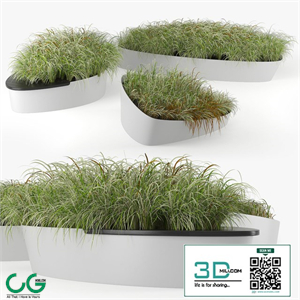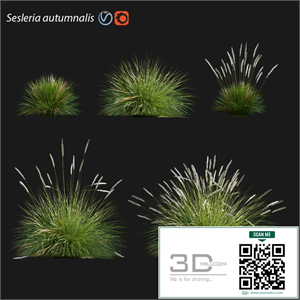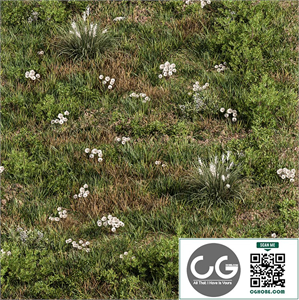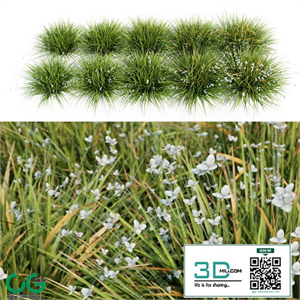
## Grass Set 2: A Deep Dive into Realistic Grass Modeling and Texturing
This document provides a comprehensive overview of "Grass Set 2," a meticulously crafted collection of high-quality grass models and textures designed for use in various applications, ranging from realistic game environments to architectural visualizations and film production. We'll explore the design choices, technical aspects, and the versatility of this asset pack, highlighting its key features and potential applications.
Part 1: Design Philosophy and Artistic Direction
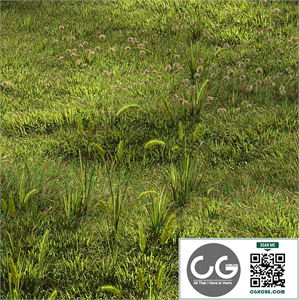
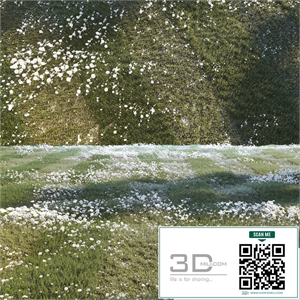
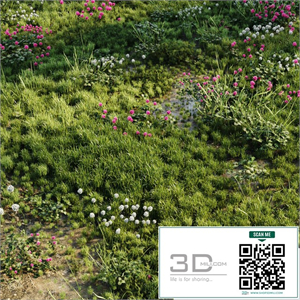
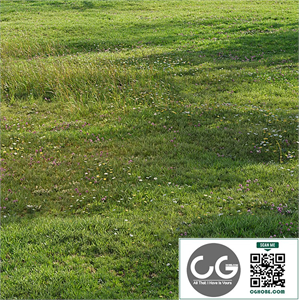
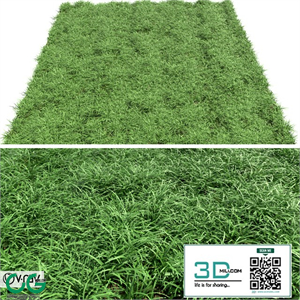
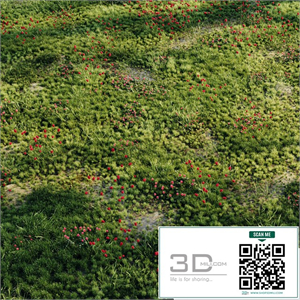
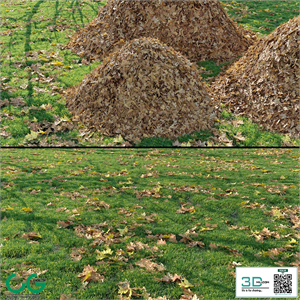
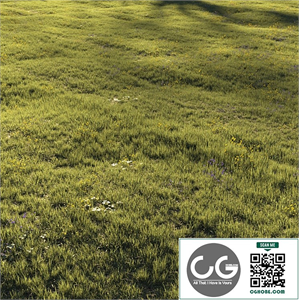
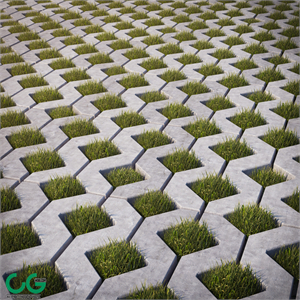
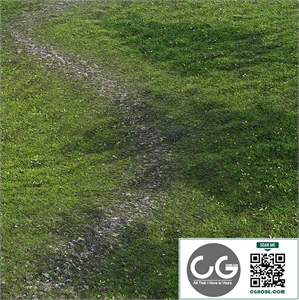
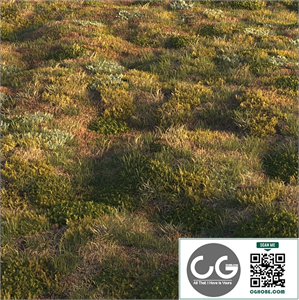
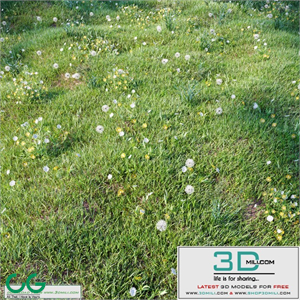
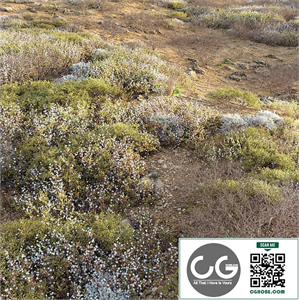
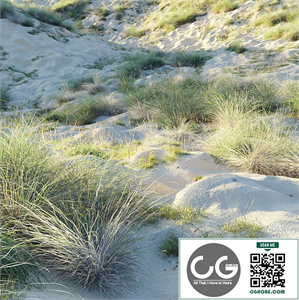
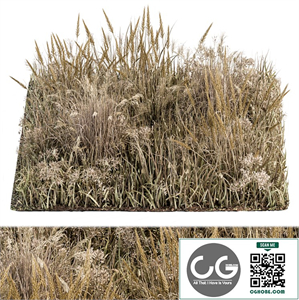
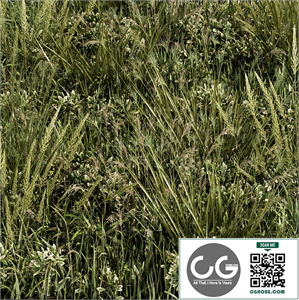
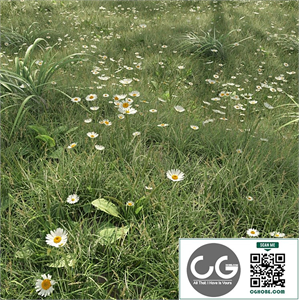
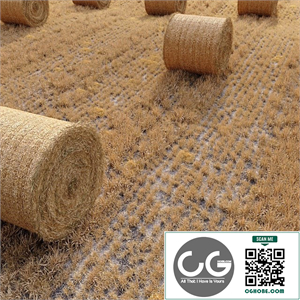
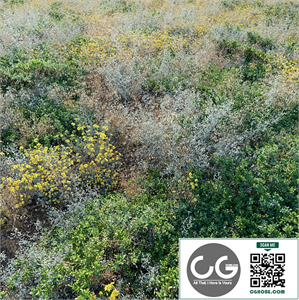
The core philosophy behind *Grass Set 2* is to achieve unparalleled realism and versatility. Unlike many asset packs that offer a single, generalized grass model, this set boasts a diverse range of options, catering to a wide array of environmental conditions and artistic styles. The design process focused heavily on achieving photorealistic results, paying close attention to subtle details that often go unnoticed but contribute significantly to the overall believability of the scene.
We began by conducting extensive research on various grass species, studying their morphology, growth patterns, and textural characteristics. This involved analyzing high-resolution photographs and videos of different grasses in diverse environments – from lush meadows to arid plains. This *empirical research* formed the foundation for the models’ precise geometry and realistic *texturing*.
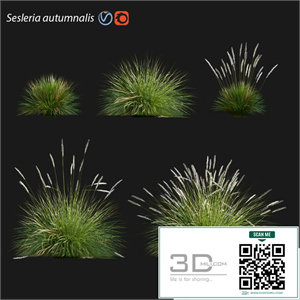
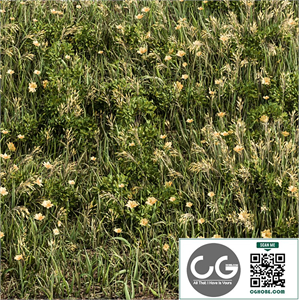
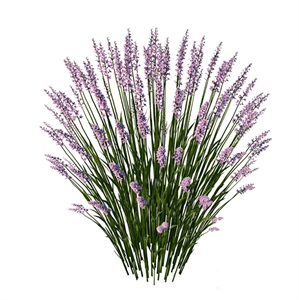
One crucial aspect of our design process was ensuring *variability*. Each grass model within the set exhibits unique characteristics, preventing repetitive and unnatural looking patches. This includes variations in:
* Height: Ranging from short, manicured lawns to tall, swaying meadow grasses.
* Width: Reflecting the natural variation in blade thickness and density.
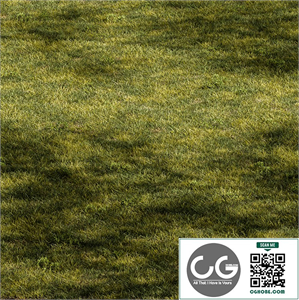
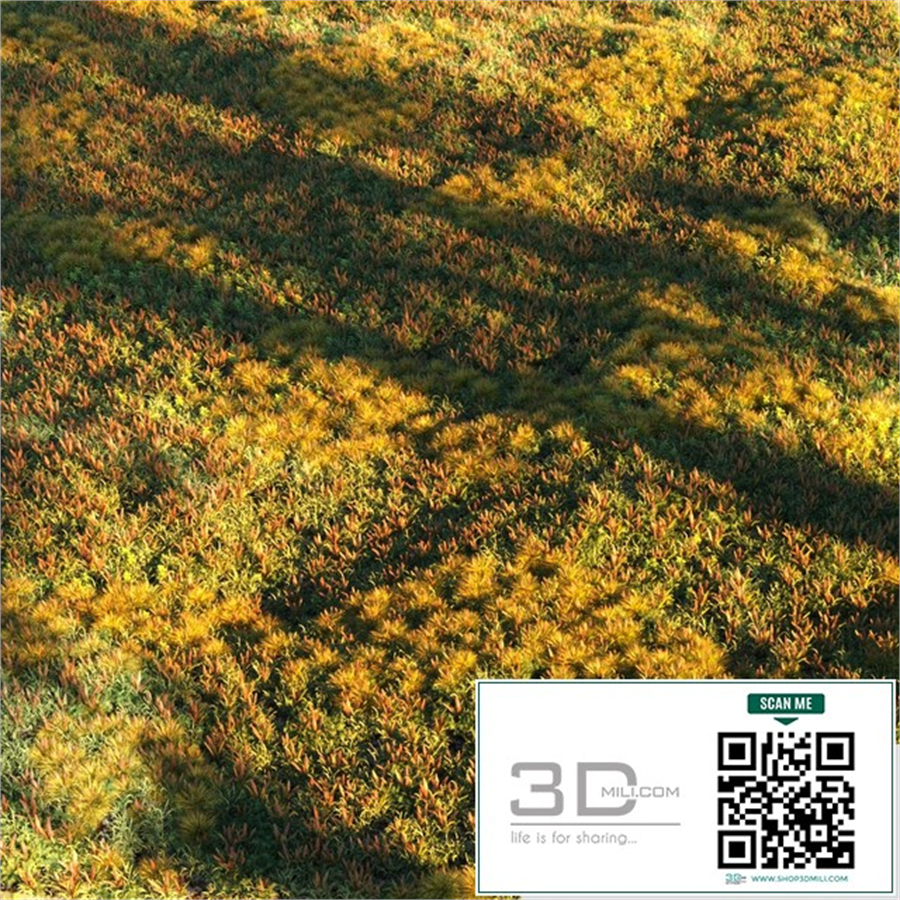
* Color: Accounting for the effects of sunlight, shadows, and seasonal changes. We incorporated *subtle color gradients* to simulate the natural variation within a single grass patch.
* Shape: Each blade possesses subtle irregularities, avoiding the perfectly uniform look often associated with less sophisticated models. This *irregularity* is crucial for achieving a natural, organic appearance.
Part 2: Technical Specifications and Workflow
*Grass Set 2* is optimized for efficiency and ease of use. The models are built using a *polygon-efficient workflow*, balancing visual fidelity with performance considerations. This makes them ideal for use in real-time applications, such as video games and interactive simulations, without compromising visual quality. The specific technical details include:
* Modeling Software: The models were created using [Insert Modeling Software used, e.g., Blender, Maya, 3ds Max]. This choice was driven by its versatility and powerful sculpting tools, which allowed for precise control over the organic forms of the grass blades.
* Polygon Count: The polygon count varies depending on the specific grass model, ranging from [Insert Low Range] to [Insert High Range] polygons per blade. This allows users to choose the level of detail that best suits their project's requirements, balancing visual quality with performance.
* UV Mapping: Efficient UV mapping techniques were employed to minimize texture seams and optimize texture memory usage. This ensures that the textures are applied smoothly and efficiently, without noticeable artifacts.
* Texturing: High-resolution *PBR (Physically Based Rendering)* textures are included, providing realistic lighting and shading behavior. These textures capture the fine details of the grass, including subtle variations in color, translucency, and surface roughness. We utilized advanced techniques like *Normal Maps*, *Specular Maps*, and *Ambient Occlusion Maps* to achieve highly realistic results. These maps are also provided at multiple resolutions to cater to different project scales.
* File Formats: The asset pack is provided in several industry-standard file formats, including [List file formats, e.g., FBX, OBJ, Blender]. This ensures compatibility with a wide range of 3D software packages.
Part 3: Versatility and Applications
The versatility of *Grass Set 2* is a key differentiator. It's not simply a collection of grass models; it's a toolkit for creating diverse and realistic environments. Its applications extend far beyond simply populating a game level; it's adaptable to a wide range of contexts:
* Video Games: From AAA titles to indie projects, *Grass Set 2* can enhance the visual appeal of any game environment, adding a layer of realism and detail to landscapes. The optimized polygon count ensures that the grass performs well even on lower-end hardware.
* Architectural Visualization: Landscaping is a crucial aspect of architectural visualizations. *Grass Set 2* enables architects and designers to create convincing representations of their projects, showing how the building interacts with its surroundings.
* Film and Animation: The realistic textures and meticulously modeled grass blades make this asset pack ideal for use in film and animation projects, contributing to the overall realism and cinematic quality of the scenes.
* Virtual Reality (VR) and Augmented Reality (AR): The optimized models are well-suited for VR and AR applications, creating immersive and believable environments that respond realistically to the user's interactions.
* Environmental Simulations: *Grass Set 2* can also be used in environmental simulations, providing realistic representations of plant life for studying ecosystem dynamics and other ecological processes.
Part 4: Workflow Considerations and Best Practices
To maximize the potential of *Grass Set 2*, consider these workflow suggestions:
* Density Control: Use instance-based rendering techniques to efficiently populate large areas with grass. This avoids the performance overhead of rendering individual blades. Tools like *Grass Essentials* in various 3D software packages can streamline this process.
* Wind Simulation: Adding wind effects can dramatically enhance the realism of the grass. Most game engines and 3D packages offer tools for simulating wind interaction with particles or meshes.
* Lighting and Shading: Proper lighting is crucial for showcasing the details of the grass textures. Experiment with different lighting setups to achieve the desired visual impact.
* Material Variations: Use the provided material variations to add diversity to the grass patches. Slight modifications to the base materials can also achieve more stylistic variety.
* Level of Detail (LOD): Implement LOD systems to improve performance in large scenes. This involves using lower-poly models for grass far from the camera.
Part 5: Conclusion
*Grass Set 2* represents a significant advancement in realistic grass modeling and texturing. Its combination of high-quality assets, optimized performance, and versatility makes it an invaluable tool for professionals and hobbyists alike. Whether you're creating a sprawling game world, a detailed architectural rendering, or a cinematic scene, this asset pack provides the tools you need to bring your vision to life with unparalleled realism and detail. Its focus on *variability*, *realistic texturing*, and *optimized performance* distinguishes it from other available assets, setting a new standard for digital grass representation. The incorporation of *PBR texturing* ensures compatibility with modern rendering pipelines and contributes to the photorealistic quality of the final product.