## The Delicate Allure of Gypsophila: A Deep Dive into the Design of the Perfect Gypsophila Bouquet
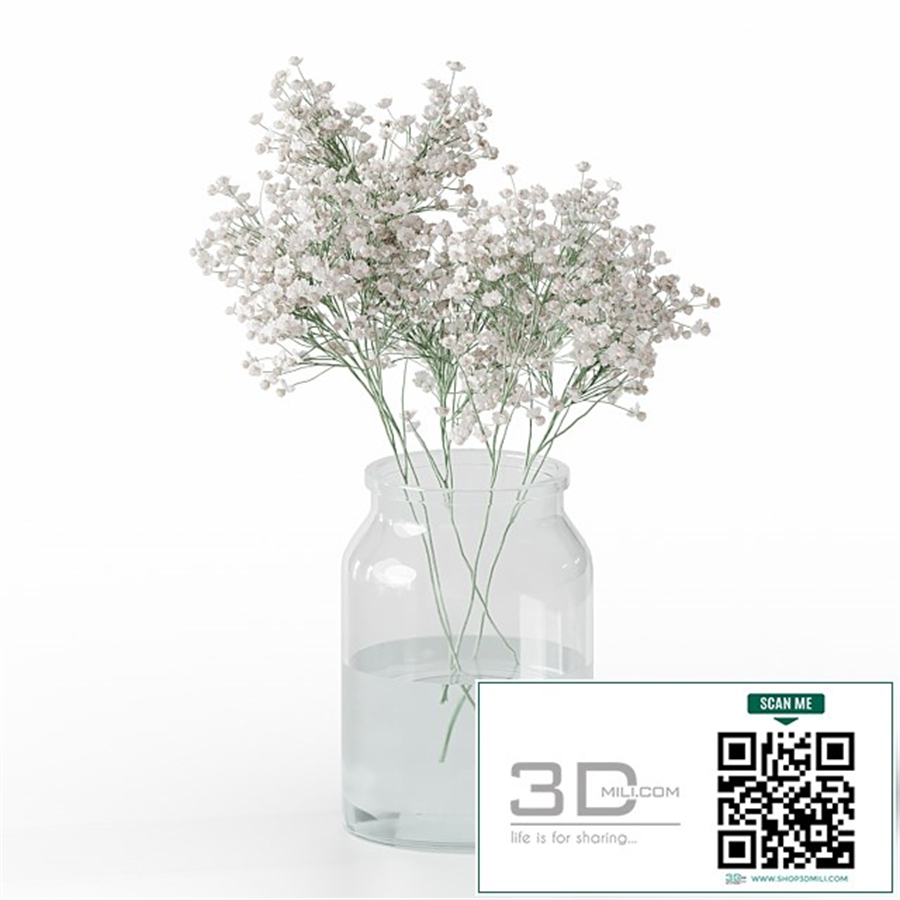
Gypsophila, also known as _baby's breath_, is more than just a filler flower. Its delicate, cloud-like blooms possess an understated elegance that elevates any floral arrangement. When crafted into a bouquet, gypsophila transforms from a supporting player to a captivating star, its seemingly simple beauty radiating a quiet charm. This exploration delves into the design intricacies of the perfect gypsophila bouquet, covering everything from choosing the right variety to mastering the art of arrangement and preservation.
Part 1: Unveiling the Varieties: Choosing the Right Gypsophila for Your Bouquet
The genus *Gypsophila* boasts a wide array of species, each offering unique characteristics that affect the overall aesthetic of the final bouquet. Understanding these differences is crucial for achieving the desired look. Some key distinctions to consider include:
* _Gypsophila paniculata_ (Common Baby's Breath): This is the most readily available and widely recognized variety. It features abundant small, white flowers clustered along branching stems. Its versatility makes it ideal for both large, overflowing bouquets and smaller, more refined arrangements. The *paniculata* variety offers different cultivars with variations in *flower size* and *bushiness*. Some boast slightly larger flowers than others, while some are exceptionally dense. Consider the desired *texture* and *volume* of your bouquet when making your choice.
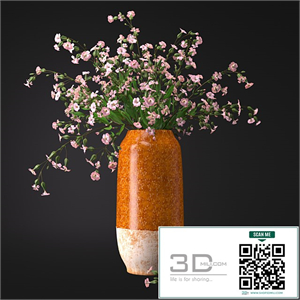
* _Gypsophila elegans_ (Annual Baby's Breath): Unlike the perennial *paniculata*, *elegans* is an annual, meaning it completes its life cycle in a single year. It offers a more compact growth habit and comes in a wider range of *colors*, including shades of pink, rose, and even a deep magenta. Its more tightly clustered blooms create a different *textural* feel compared to the airy *paniculata*. It’s a superb option for smaller, more concentrated bouquets or for adding pops of *color* to mixed arrangements.
* _Gypsophila muralis_ (Creeping Baby's Breath): This ground-covering variety is less commonly used in bouquets due to its sprawling habit. However, its smaller flowers and low-growing nature can offer a unique *textural* element when carefully incorporated into a more complex design. It's an interesting choice for adding a delicate *ground-cover* effect to a unique arrangement, especially when combined with taller flowers.
Part 2: Mastering the Art of Arrangement: From Simple Elegance to Bold Statements
The beauty of a gypsophila bouquet lies not only in the flower itself but also in how it's arranged. A well-crafted bouquet balances delicacy with visual impact. Here's how to create different looks:
* _The Classic Cascading Bouquet:_ This timeless style emphasizes the flowing nature of gypsophila. Long stems are arranged to create a soft, waterfall-like effect. The *height* and *density* of the cascade can be manipulated to create a dramatic or more subtle statement. Consider adding *ribbon* or *lace* to enhance the overall *romantic* feel.
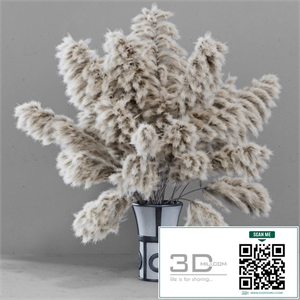
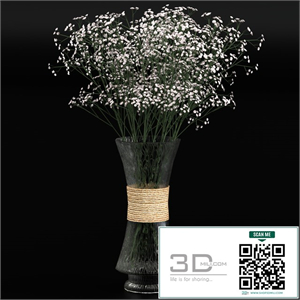
* _The Modern Monochromatic Bouquet:_ A bouquet featuring solely gypsophila in one color showcases its simple elegance. This *minimalist* approach highlights the texture and subtle variations in *shade* within the chosen variety. Pay close attention to the *shape* and *size* of the bouquet to maintain a balanced and aesthetically pleasing result.
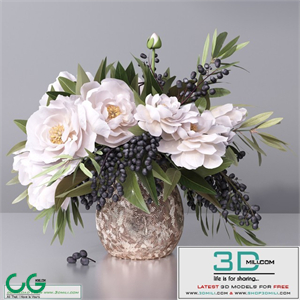
* _The Textural Contrast Bouquet:_ Combining gypsophila with flowers of contrasting textures creates visual interest. The airy nature of gypsophila complements bolder, more structured blooms like *roses*, *peonies*, or *dahlias*. This pairing provides *depth* and *dimensionality* to the arrangement, preventing it from becoming visually monotonous.
* _The Bouquets with Accent Flowers:_ This incorporates small, complementary flowers like *forget-me-nots*, *lavender*, or *wildflowers*. These accent flowers add *color* and *visual variety* without overpowering the delicate beauty of the gypsophila. The *placement* and *quantity* of accent flowers are essential to maintaining balance within the bouquet.
Part 3: Beyond the Basics: Adding Personality and Flair to Your Gypsophila Bouquet
To truly personalize your gypsophila bouquet, explore these creative additions:
* _Color Coordination:_ While white gypsophila is classic, colored varieties or carefully chosen ribbons and accents can create a *unique palette*. Consider the *occasion* and *personal style* when making color choices.
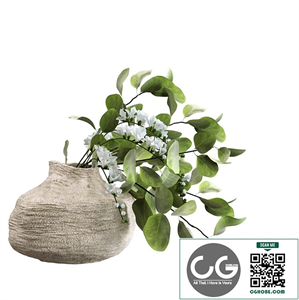
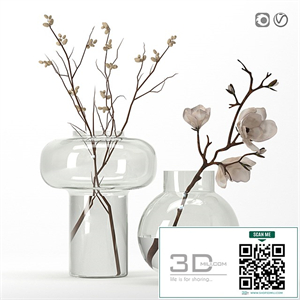
* _Container Choices:_ The *container* can significantly impact the overall aesthetic. A rustic vase complements a more *casual* feel, while a sophisticated crystal vase enhances the bouquet's *elegance*.
* _Unique Packaging:_ *Wrapping* the bouquet in natural materials like burlap or linen adds a rustic touch, whereas elegant paper or boxes can elevate the presentation. This step is crucial for both *protection* and *aesthetics*.
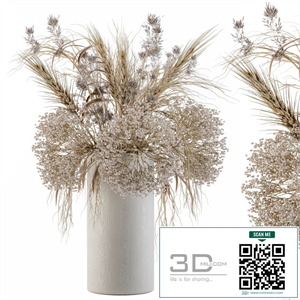
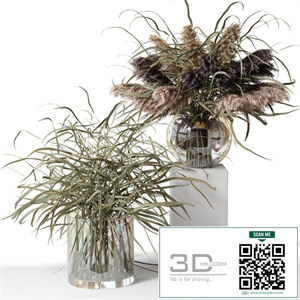
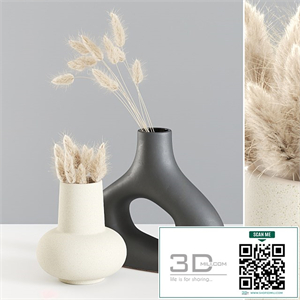
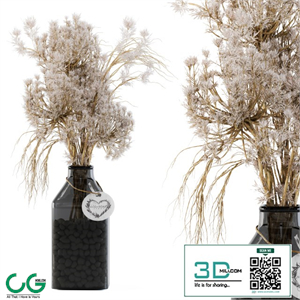
* _The addition of natural elements:_ Incorporating natural elements like *dried grasses*, *twigs*, or *berries* creates a more *rustic* and *earthy* feel. This is an especially great option for *wedding bouquets* or *seasonal arrangements*.
Part 4: Preserving the Beauty: Extending the Life of Your Gypsophila Bouquet
Gypsophila, while delicate, can be preserved to maintain its beauty for a longer period. Here are some methods:
* _Air Drying:_ This is the simplest method. Hang the bouquet upside down in a cool, dry, and dark place. This preserves the *color* and *shape* of the flowers reasonably well, although some shrinkage is expected.
* _Pressing:_ Pressing gypsophila flat preserves its delicate structure perfectly for creating cards or other art projects. This method is ideal for *preserving memories* rather than maintaining the three-dimensional structure.
* _Glycerin Preservation:_ Submerging the stems in a glycerin solution helps preserve the *color* and *flexibility* of the flowers. This method requires patience and a bit more care but produces remarkably well-preserved flowers.
The perfect gypsophila bouquet is a testament to the beauty of simplicity. By understanding the various varieties, mastering arrangement techniques, and considering creative additions and preservation methods, you can create a stunning floral masterpiece that captures the essence of understated elegance and lasting charm. Whether you choose a classic cascade or a modern minimalist design, the delicate allure of gypsophila is sure to leave a lasting impression.