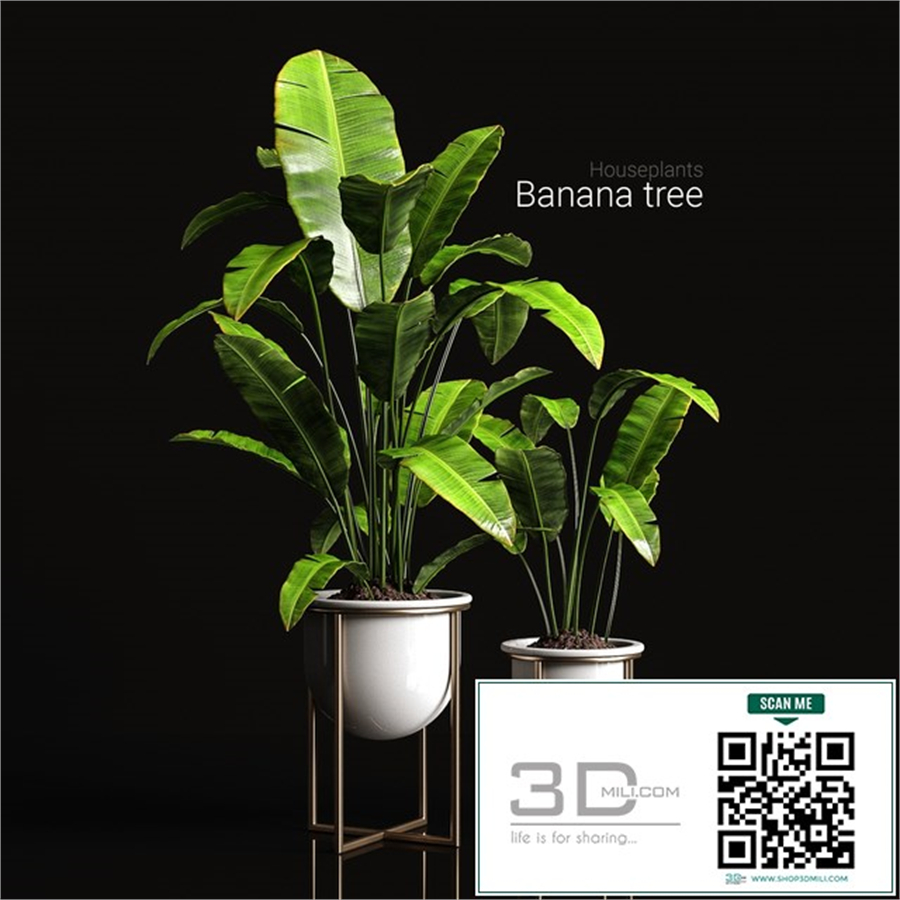
## The Majestic Musa: Unveiling the Beauty and Care of Indoor Banana Trees
The vibrant, tropical allure of a banana tree has long captivated plant enthusiasts. No longer relegated solely to sun-drenched tropical climates, the *Musa*, commonly known as the banana tree, is increasingly finding a home in indoor spaces. This detailed guide will explore the unique aspects of cultivating these magnificent plants indoors, offering insights into their selection, care requirements, and the rewarding experience of nurturing them within your home.
### Part 1: Choosing Your Indoor Banana Tree: A Tale of Species and Varieties
Not all banana trees are created equal. While the image of a towering banana plant laden with fruit springs to mind, many *Musa* species offer exceptional ornamental value, even without producing edible fruit. The selection process hinges on understanding the size constraints of your indoor space and the light conditions available.
Size Matters: This is perhaps the most critical factor. Some banana tree varieties, like the dwarf Cavendish banana (Musa acuminata 'Dwarf Cavendish'), remain relatively compact, making them suitable for even smaller apartments. Others, such as the Musa basjoo, while stunning, can achieve impressive heights, necessitating ample vertical space and potentially requiring pruning to manage their size. Before committing to a purchase, *research the mature size of your chosen variety* to ensure a harmonious fit within your home environment.
Light Requirements: The banana tree is a *light-hungry plant*. While some varieties tolerate partial shade, most thrive in bright, indirect sunlight. Direct sunlight, especially during the hottest part of the day, can scorch the delicate leaves. *Assess the light levels in your home carefully*, considering the placement of windows and potential shading from other objects. South-facing windows are ideal, but east or west-facing windows can also be suitable, provided that you take precautions to prevent direct sun exposure. For areas with limited natural light, you may need to supplement with *grow lights* to ensure sufficient illumination for optimal growth.
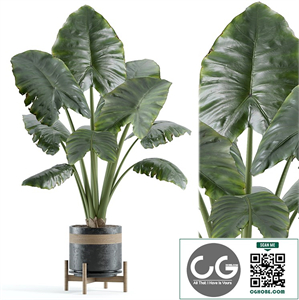
Variety Selection: The sheer diversity of banana tree species and cultivars offers a wealth of choices. Beyond the fruit-bearing varieties, many ornamental Musa boast strikingly beautiful foliage. *Musa 'Sikkimensis'* features impressive, large leaves with a blueish hue, adding a unique textural and color element to your indoor space. *Musa velutina*, with its charming red flowers and smaller size, represents a more compact option. Researching different varieties allows you to select a banana tree that complements your aesthetic preferences and practical considerations.
### Part 2: Creating the Ideal Indoor Habitat for Your Musa
Once you've chosen your banana tree, creating a suitable environment is paramount to its thriving indoors. This involves addressing several key factors.
Potting and Soil: The right pot and soil are fundamental. *Choose a pot that's appropriately sized for your plant*, allowing for adequate root development. Larger pots are generally preferable for larger varieties. Ensure that the pot has adequate drainage holes to prevent waterlogging, which can lead to root rot, a common problem for indoor banana trees. The soil should be *well-draining and rich in organic matter*. A *mix of potting soil, perlite, and coco coir* often creates an excellent growing medium for Musa.
Watering: Banana trees appreciate consistent moisture but dislike soggy soil. Water thoroughly when the top inch or two of the soil feels dry to the touch. *Avoid overwatering*, which can lead to root rot and fungal diseases. During the winter months, when growth slows down, reduce watering frequency. *Observe your plant carefully* – the leaves will often droop slightly when it needs watering. However, don't let them wilt severely before replenishing the moisture.
Humidity: As tropical plants, banana trees thrive in humid environments. Indoor air is often quite dry, so increasing humidity is vital for their health. Consider placing the pot on a *tray filled with pebbles and water*, ensuring the pot's base doesn't sit directly in the water. Regularly misting the leaves with water can also help to boost humidity. In drier climates or during winter months, a *humidifier* may be a valuable investment.
Temperature: *Maintain a consistently warm temperature* for your banana tree. Ideal temperatures range between 65°F and 80°F (18°C and 27°C). Avoid exposing the plant to cold drafts or fluctuating temperatures, as this can stress the plant and hinder its growth.
### Part 3: Nourishment and Maintenance: Keeping Your Indoor Banana Tree Thriving
Providing the right nutrients and implementing routine maintenance are crucial for a healthy and visually appealing banana tree.
Fertilizing: *Regular fertilization* is essential during the growing season (spring and summer). Use a balanced liquid fertilizer diluted to half strength, applying it every two to four weeks. Reduce or discontinue fertilizing during the winter months when growth slows down. Choose a *fertilizer specifically formulated for houseplants* or one with a slightly higher nitrogen content to support leafy growth.
Pruning: Pruning is important for maintaining the shape and size of your banana tree, especially for larger varieties. Remove any dead, damaged, or diseased leaves promptly. For taller plants, you might need to carefully trim back some leaves to manage their height and prevent them from becoming top-heavy. *Always use clean, sharp pruning shears* to prevent the spread of diseases.
Pest and Disease Control: Like all plants, banana trees can be susceptible to pests and diseases. *Regularly inspect your plant* for signs of infestations, such as aphids, spider mites, or mealybugs. Treat any infestations promptly with appropriate insecticidal soap or neem oil. Good air circulation and proper watering practices can help to prevent fungal diseases.
Repotting: As your banana tree grows, it will eventually outgrow its pot. *Repot your plant into a larger container* when necessary, typically every one to two years. Choose a pot only slightly larger than the previous one to avoid encouraging excessive root growth at the expense of top growth. Repotting should be done during the spring or early summer months.
### Part 4: The Rewards of Indoor Banana Tree Cultivation
Growing a banana tree indoors offers a uniquely rewarding experience. The sight of its vibrant green leaves, its elegant form, and its tropical aura can transform your living space, bringing a touch of the exotic into your home. Beyond the aesthetic appeal, the process of nurturing this magnificent plant provides a connection to nature and a sense of accomplishment. It requires attention, care, and understanding, but the rewards – a healthy, thriving banana tree that brings joy and beauty to your home – are well worth the effort. Remember, patience is key. Enjoy the journey of watching your *Musa* grow and flourish under your care. The majestic presence of your indoor banana tree will be a testament to your dedication and a source of continued delight.