## Indoor Plant 455 - Bonsai Plant: A Deep Dive into Miniature Majesty
This comprehensive guide delves into the captivating world of *Indoor Plant 455*, specifically focusing on its classification as a *bonsai plant*. We'll explore its unique characteristics, cultivation techniques, and the artistry involved in maintaining this miniature marvel. Understanding the nuances of bonsai care is crucial for ensuring its longevity and aesthetic appeal, transforming your home into a serene sanctuary of miniature landscapes.
Part 1: Unveiling the Identity of Indoor Plant 455
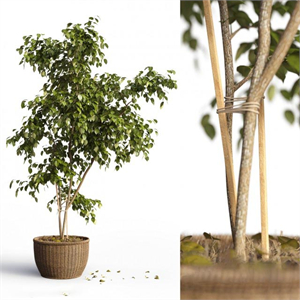
The designation "Indoor Plant 455" lacks the specificity needed for definitive identification. It's likely a catalog number or internal identifier used by a particular nursery or supplier. Without additional information, such as the *species name*, *genus*, or even a *photograph*, pinpointing the exact plant remains impossible. However, knowing it's classified as a *bonsai* offers valuable clues.
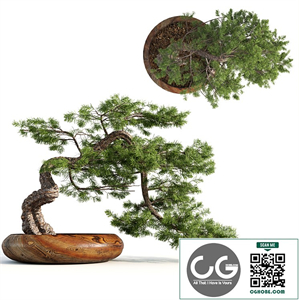
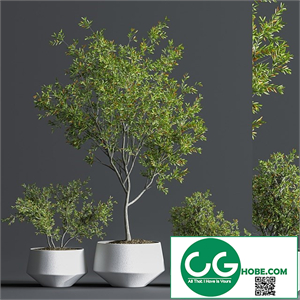
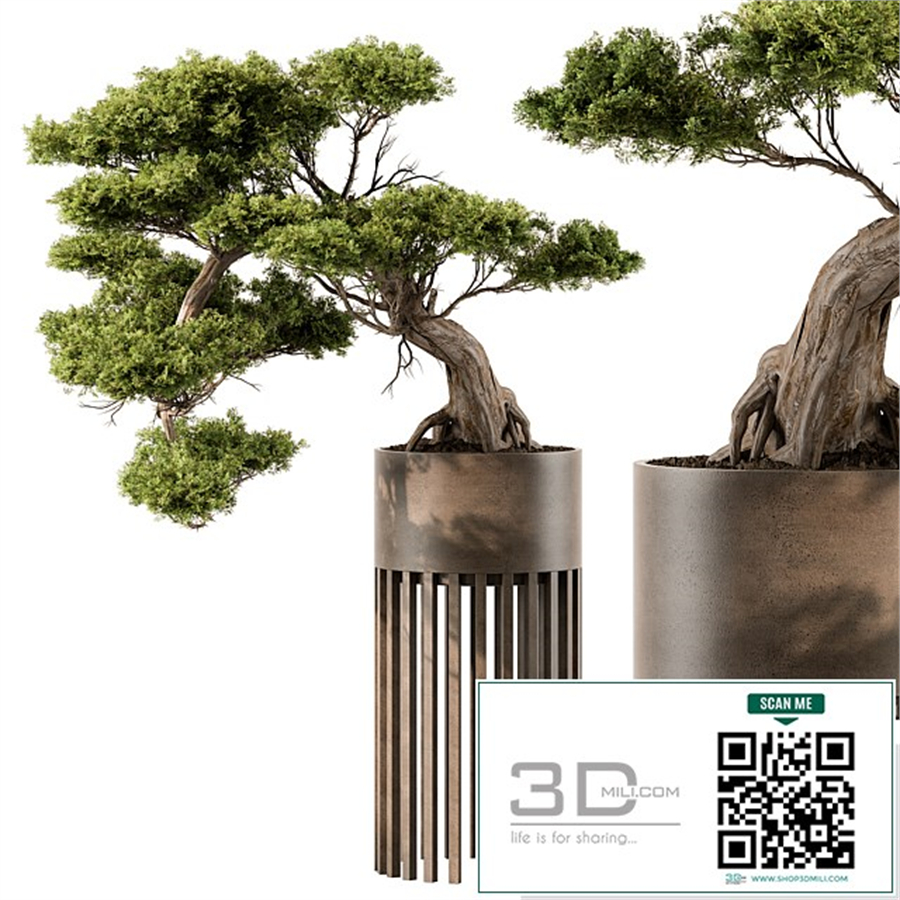
Bonsai, a Japanese art form, focuses on cultivating *miniature trees* in containers. The term itself combines "bon" (tray or shallow container) and "sai" (planted or cultivate). The goal isn't to genetically dwarf the tree, but to meticulously manage its growth through techniques like *pruning*, *wiring*, and *root pruning* to maintain its compact size and aesthetically pleasing shape. Therefore, *Indoor Plant 455* is likely a species commonly used in bonsai cultivation, possessing characteristics that make it suitable for the art form.
These characteristics often include:
* Small leaf size: Smaller leaves contribute to a miniature effect and balance with the overall plant size.
* Fine branching structure: A delicate and intricate branching pattern adds to the bonsai's visual appeal.
* Slow growth rate: Slower growth allows for greater control over the plant's shape and size.
* Adaptability to container growing: The chosen species must tolerate the limited root space and soil volume found in bonsai pots.
* Aesthetically pleasing form: The natural growth habit should lend itself to common bonsai styles, such as *formal upright*, *informal upright*, *cascade*, or *literati*.
Without a definitive identification of Indoor Plant 455, we'll explore the general principles of bonsai cultivation, applicable to a broad range of species frequently used for this art form.
Part 2: Essential Bonsai Cultivation Techniques
Successfully maintaining *Indoor Plant 455*, assuming it is a bonsai-suitable species, necessitates a deep understanding of several core techniques:
2.1 Potting and Repotting:
*Bonsai plants require periodic repotting* (typically every 2-3 years), not only to refresh the soil but also to manage root growth. Overgrown roots can restrict water and nutrient uptake and hinder the tree's overall health. Repotting involves carefully removing the plant from its container, gently pruning some of the roots, and transplanting it into fresh bonsai soil. The *choice of bonsai soil* is critical; it must be well-draining to prevent root rot.
2.2 Pruning and Shaping:
*Pruning is fundamental to bonsai cultivation*. It's used to maintain the desired size and shape, controlling the overall structure and density of the branches. Several pruning techniques exist, including:
* Pinching: Removing young shoots to promote branching and maintain density.
* Cutting: Removing larger branches to adjust the overall structure.
* Wiring: Using wire to guide the growth of branches into the desired positions. *Wiring is a delicate technique* and requires careful attention to avoid damaging the branches.
2.3 Watering:
*Proper watering is vital to prevent both under-watering and over-watering*. Bonsai plants in small containers dry out relatively quickly, especially in warm, dry conditions. Consistent, but not excessive, watering is necessary. The *frequency of watering depends on several factors*, including the *species of plant*, *pot size*, *soil type*, and *environmental conditions*. It's often better to water thoroughly but less frequently than to water lightly and often.
2.4 Fertilizing:
*Bonsai plants require regular feeding* to provide the nutrients necessary for healthy growth. However, fertilizer should be used sparingly, and appropriate *bonsai fertilizer* should be chosen to avoid damaging the plant's delicate root system. Generally, a balanced, slow-release fertilizer is recommended, applied during the growing season.
2.5 Pest and Disease Control:
Like any plant, bonsai are susceptible to pests and diseases. Regular inspection is essential to identify and address any problems early on. Organic pest control methods are often preferred to avoid harming the plant or the environment.
Part 3: Light, Temperature, and Humidity Considerations for Indoor Bonsai
*Indoor Plant 455*, as a bonsai plant, will have specific light, temperature, and humidity requirements, depending on its species. While some species tolerate lower light conditions, most benefit from a substantial amount of *indirect sunlight*. Direct sunlight can scorch the delicate leaves.
*Temperature* preferences vary considerably among bonsai species. Most thrive in average room temperatures (65-75°F), but some may require slightly cooler or warmer conditions. *Humidity* is also crucial; dry indoor air can stress bonsai plants. Increasing humidity through techniques like misting or using a pebble tray can be beneficial.
Part 4: Choosing the Right Bonsai Style
The *aesthetic style of a bonsai* contributes significantly to its overall appeal. Many styles exist, each with its own principles and characteristics. Some popular styles include:
* Formal Upright (Chokkan): A perfectly symmetrical, straight trunk with evenly spaced branches.
* Informal Upright (Moyogi): A natural-looking, slightly curved trunk with irregularly spaced branches.
* Cascade (Kengai): The branches cascade downwards below the rim of the pot, mimicking a tree growing over a cliff.
* Semi-Cascade (Han Kengai): Similar to a cascade, but the branches don't extend as far below the pot's rim.
* Literati (Bunjin): A stylized, minimalist style with a rakish trunk and sparse branching.
The *chosen style should complement the plant's natural growth habit* and overall aesthetic.
Part 5: Troubleshooting Common Bonsai Problems
Even with careful attention, bonsai may encounter problems. Some common issues include:
* Leaf drop: Often caused by stress from incorrect watering, temperature fluctuations, or insufficient light.
* Yellowing leaves: May indicate over-watering, nutrient deficiencies, or pest infestation.
* Root rot: A serious condition caused by poor drainage and over-watering.
* Pest infestations: Regular inspection is vital to detect and treat pests promptly.
Addressing these problems promptly is critical to preserving the health and longevity of your bonsai.
This guide provides a general overview of bonsai care. Remember that *specific requirements will vary depending on the exact species of Indoor Plant 455*. Consulting reliable resources specific to the identified species is strongly advised for optimal results. The journey of nurturing a bonsai is a rewarding and enriching experience, requiring patience, dedication, and a deep appreciation for the art of miniature tree cultivation.