## Kung Fu Astronaut: A Design Exploration
This document explores the design concept of a "Kung Fu Astronaut," delving into the multifaceted nature of this seemingly paradoxical juxtaposition. We will examine the individual components – *kung fu* and *astronaut* – before synthesizing them into a cohesive and compelling visual and narrative identity. The resulting design aims to capture the essence of both, creating something both familiar and unexpected, powerful and playful.
### Part 1: Deconstructing the Components
The image of an astronaut evokes a sense of *exploration*, *science*, *technology*, and *the unknown*. They represent humanity's relentless drive to push boundaries, to reach for the stars, and to unravel the mysteries of the cosmos. Astronauts are icons of *progress*, embodying courage, resilience, and a dedication to scientific advancement. Visually, they are often depicted in sleek, futuristic suits, conveying a sense of *precision*, *sterility*, and *advanced engineering*. Their helmets, often reflecting the vastness of space, hide a human face, creating a certain mystique and anonymity.
In stark contrast, *kung fu* represents a grounded, earthly discipline. Rooted in centuries of Chinese tradition, it embodies *physical prowess*, *mental discipline*, and *spiritual enlightenment*. It's a martial art emphasizing *strength*, *agility*, *balance*, and *inner peace*. The visual language of kung fu is often dynamic, showcasing fluid movements, powerful stances, and a connection to nature. Images often depict flowing robes, carefully controlled movements, and a focus on both offensive and defensive techniques. The *discipline* and *self-mastery* required to achieve proficiency in kung fu are crucial elements.
### Part 2: The Synthesis: Contrasting and Complementary Elements
The juxtaposition of these two seemingly disparate concepts – the futuristic astronaut and the traditional martial artist – creates a fascinating tension. This tension is the core of the "Kung Fu Astronaut" design. It's not simply a combination; it's a *collision* of worlds, a *synthesis* of opposing forces. The design aims to harness this inherent conflict to create a compelling and memorable image.
One approach is to highlight the *complementarity* of the two elements. Both kung fu and space exploration demand *discipline*, *precision*, and *dedication*. Both require immense physical and mental *strength* to overcome challenges. The astronaut's rigorous training mirrors the years of dedication required to master kung fu. This approach might visually manifest in a design that subtly blends futuristic elements with traditional Chinese aesthetics, perhaps incorporating flowing lines reminiscent of kung fu movements into the design of a spacesuit.
Another approach could emphasize the *contrast*. The juxtaposition of the sterile, technologically advanced spacesuit against the flowing, earthy movements of kung fu creates a visually striking image. This approach might lead to a design that juxtaposes sharp, angular lines with flowing curves, showcasing the unexpected synergy of these different worlds. The stark difference could create a humorous and thought-provoking image, emphasizing the absurdity and unexpectedness of the concept.
### Part 3: Visual Interpretations and Style Considerations
The visual interpretation of the "Kung Fu Astronaut" can take many forms. Several potential styles can be considered:
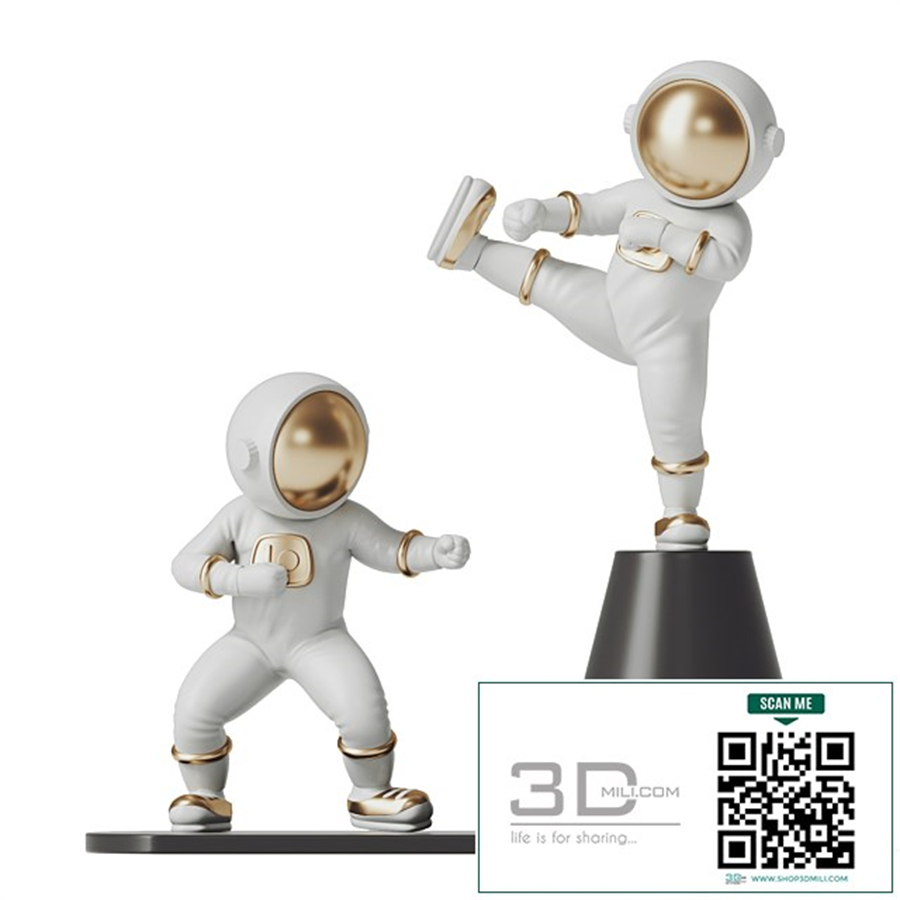
* Realistic: A realistic depiction could involve a highly detailed astronaut suit incorporating elements of traditional Chinese clothing or ornamentation. The astronaut could be portrayed mid-kung fu pose, showcasing the fluidity of movement despite the constraints of the suit. This approach would require advanced digital art skills and a strong understanding of both anatomical accuracy and the nuances of kung fu stances.
* Cartoon/Anime: A more stylized, cartoon or anime approach offers greater creative freedom. This style could exaggerate features, creating a more playful and approachable design. The astronaut's movements could be exaggerated, highlighting the absurdity of the concept while maintaining the dynamic energy of kung fu.
* Abstract: An abstract representation could focus on symbolic elements, using color and shape to evoke the feeling of both space and kung fu. This approach could utilize contrasting colors and textures to highlight the duality of the concept, focusing on the emotional impact rather than literal representation.
* Minimalist: A minimalist approach might focus on a single powerful image, simplifying the design to its essential elements. This approach would require a strong understanding of visual communication, using limited elements to convey the essence of the "Kung Fu Astronaut" concept.
### Part 4: Narrative Potential and Character Development
The "Kung Fu Astronaut" concept possesses significant narrative potential. Several narrative threads could be explored:
* A lone warrior: The astronaut could be a solitary figure, a master of kung fu traversing the cosmos, battling extraterrestrial threats with their unique skills. This narrative allows for the exploration of themes of isolation, self-reliance, and the struggle against overwhelming odds.
* An intergalactic peacekeeper: The astronaut could be a diplomat, using their kung fu skills not for combat but for negotiation and conflict resolution in a galaxy teeming with diverse alien civilizations. This approach allows for explorations of diplomacy, cultural exchange, and the power of non-violent conflict resolution.
* A cosmic detective: The astronaut could be a detective investigating mysteries across the galaxy, using their martial arts skills and scientific knowledge to unravel complex plots. This narrative offers opportunities for mystery, suspense, and the exploration of unique cosmic phenomena.
* A spiritual journey: The astronaut's journey could be a metaphorical representation of a spiritual quest, with the cosmos serving as a backdrop for self-discovery and enlightenment. The discipline of kung fu could be a key element in their spiritual growth, allowing them to overcome inner demons and achieve a higher level of understanding.
The choice of narrative will influence the overall design, shaping the character's personality, appearance, and backstory. A detailed *character sheet* outlining their motivations, skills, and relationships will be crucial in developing a cohesive and compelling story.
### Part 5: Branding and Applications
The "Kung Fu Astronaut" concept has strong branding potential. The unique visual appeal and intriguing narrative can be applied across a wide range of media:
* Logo Design: A memorable logo could be created, incorporating elements of both kung fu and space exploration. This could range from a stylized astronaut silhouette in a kung fu stance to a more abstract design reflecting the synergy of the two concepts.
* Merchandise: T-shirts, posters, mugs, and other merchandise could feature compelling artwork based on the chosen visual style and narrative.
* Comic Books/Graphic Novels: The rich narrative potential lends itself well to comic books or graphic novels, allowing for a detailed exploration of the character's journey and the unique world they inhabit.
* Animated Series/Film: The concept is well-suited for an animated series or film, offering opportunities for action-packed sequences and compelling storytelling.
* Video Games: The combination of martial arts and space exploration could create a unique and engaging video game experience, offering opportunities for both combat and exploration gameplay.
The successful implementation of the "Kung Fu Astronaut" design will hinge on a cohesive integration of the visual elements, narrative, and branding strategies. Careful consideration of target audience and desired emotional response will ensure the creation of a compelling and memorable brand. By effectively blending the unexpected, the powerful, and the playful, the "Kung Fu Astronaut" concept has the potential to resonate with a broad audience and establish itself as a unique and engaging entity.