## Liberty Dead: An Exploration of a Fallen Ideal
This design, titled "Liberty Dead," doesn't simply depict a lifeless figure; it's a *commentary* on the fragility and potential demise of freedom itself. It explores the ways in which societal structures, internal conflicts, and external pressures can erode the very foundations of liberty, leaving behind a hollow shell of what it once was. This exploration unfolds across several interwoven layers, each demanding careful consideration.
Part 1: The Visual Metaphor – A Corpse of Freedom
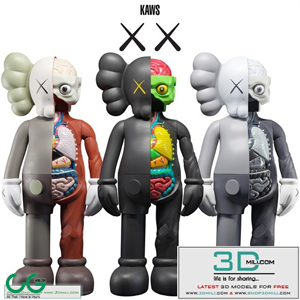
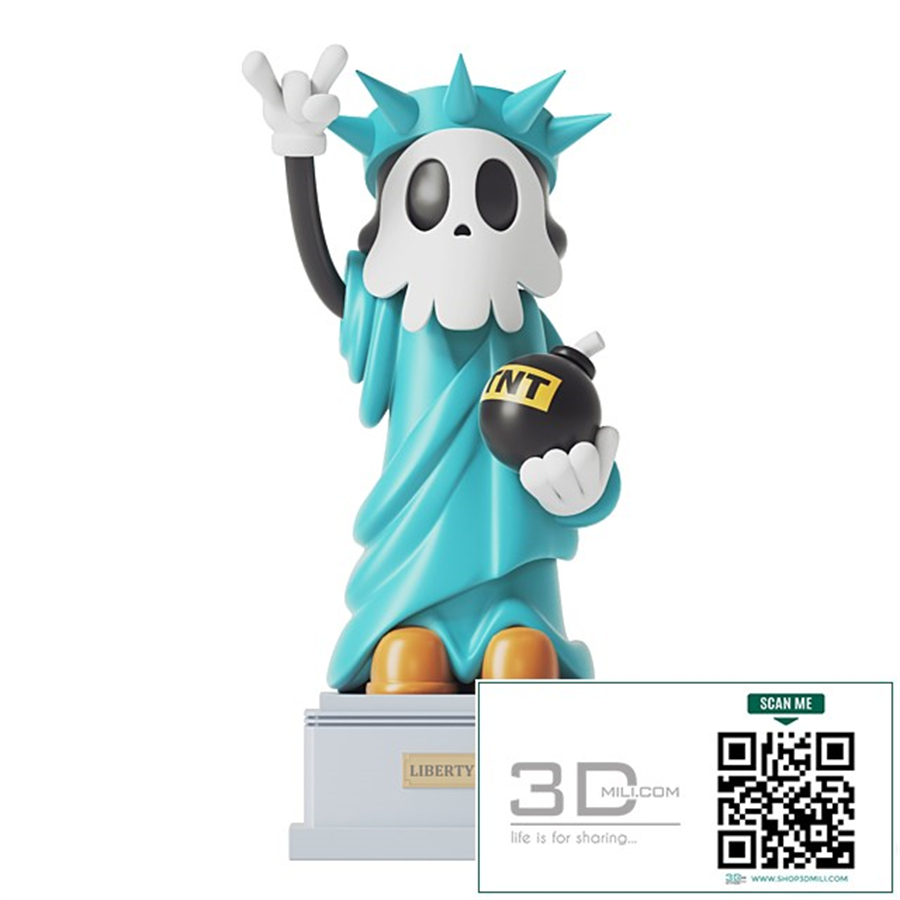
The core of the design revolves around the central image: a *fallen* figure, representing *Liberty*. The choice of a corpse is deliberately provocative. It’s not a sleeping figure, or a weary one; it's explicitly *dead*, emphasizing the finality of the loss. This stark visual immediately grabs the viewer's attention, forcing a confrontation with the uncomfortable truth the design aims to convey.
The *details* of the corpse are crucial. Is it a classical representation of Liberty, perhaps akin to the Statue of Liberty, rendered in a state of decay? Or is it a more abstract, modern interpretation, suggesting a more contemporary understanding of freedom's collapse? The *materials* used, the *pose* of the figure, and the *level of detail* all contribute to the overall message. Is the body meticulously rendered, showcasing the precise damage inflicted, or is it more impressionistic, focusing on the *emotional* impact rather than strict realism? These decisions directly impact the viewer's interpretation. The *color palette* also plays a vital role. Is it drenched in somber grays and blacks, signifying loss and despair? Or are there hints of brighter colors, perhaps signifying a glimmer of hope, however faint, amidst the desolation? The *background* is also significant. Is it a bleak, desolate landscape, mirroring the internal state of the fallen Liberty? Or is it more complex, suggesting the specific context or forces responsible for its downfall?
Part 2: Deconstructing Liberty – The Wounds of Freedom
The visual representation isn't merely symbolic; it's a *deconstruction* of the very concept of liberty. The design invites viewers to consider what *constitutes* freedom, and how that freedom can be compromised or destroyed. What *specific wounds* does the figure bear? Are they physical wounds, representing external forces like oppression and violence? Or are they more metaphorical wounds, reflecting internal decay, such as societal apathy, political corruption, or the erosion of democratic values?
The *nature* of these wounds needs careful consideration. Are they self-inflicted, suggesting a failure of the people to protect their own freedoms? Or are they wounds inflicted by external forces, highlighting the insidious nature of tyranny and oppression? The answers to these questions are crucial in shaping the design's overall message and prompting reflection on the historical and contemporary threats to liberty. A single, clean wound might suggest a single, devastating blow, while multiple wounds, perhaps inflicted at different times, could represent a gradual erosion of freedom over time. Each *detail*, each *scar*, becomes a microcosm of a broader struggle for liberty.
Part 3: Context and Interpretation – The Narrative of Loss
"Liberty Dead" is not a static image; it's a *narrative* waiting to be unfolded. The design provides a visual prompt, but the full meaning is ultimately shaped by the viewer's individual interpretation. The design's *impact* relies on its ability to evoke a personal response, prompting reflection on the historical and contemporary struggles for freedom.
To fully appreciate the depth of this design, we must consider the historical and political *context*. Does the design evoke specific historical events, such as the fall of a democratic regime or a period of widespread oppression? Is it a commentary on contemporary political issues, such as rising authoritarianism or the erosion of civil liberties? The *intended audience* also plays a crucial role in shaping the interpretation. Is the design meant to be a stark warning, a lament, or a call to action?
The *ambiguity* of the design is part of its power. It allows for multiple readings and interpretations, fostering dialogue and critical engagement. It’s not about providing a single, definitive answer, but rather about prompting questions and encouraging deeper reflection on the precarious nature of freedom and the ongoing struggle to protect it. The very *absence* of explicit answers, the open-ended nature of the visual metaphor, becomes a potent tool for engaging the viewer on an intellectual and emotional level.
Part 4: A Call to Action – Reimagining Liberty's Future
While the central image is undeniably somber, "Liberty Dead" is not simply a nihilistic depiction of defeat. It's also a *call to action*. By confronting the viewer with the stark reality of a fallen ideal, the design encourages reflection on what needs to be done to safeguard and revitalize freedom. The design itself might incorporate subtle elements suggesting the possibility of *rebirth* or *renewal*, albeit possibly a long and arduous process.
This could be achieved through a carefully chosen *composition*, perhaps including a single, hopeful element amidst the desolation, or by employing subtle visual cues to hint at the possibility of resurrection. The *color palette*, while predominantly dark, might include hints of brighter colors at the periphery, suggesting a glimmer of hope on the horizon. The *overall tone* of the design, while grave, should be infused with a sense of urgency, pushing the viewer to consider their own role in safeguarding liberty. It’s a powerful reminder that freedom is not a given; it’s a *constant struggle* that requires vigilance, action, and the unwavering commitment of individuals and societies alike. The design should not simply leave the viewer in despair but inspire them to actively participate in preserving and protecting the precious gift of liberty.
In conclusion, "Liberty Dead" is more than just a visually striking piece; it is a powerful and multifaceted *statement* on the fragility of freedom. Its enduring power lies in its ability to provoke contemplation, to initiate dialogue, and ultimately, to inspire action in the face of its potential demise. The design's true strength is in its ability to leave a lasting impression, encouraging continuous reflection on the importance of preserving and protecting the hard-won freedoms we often take for granted.