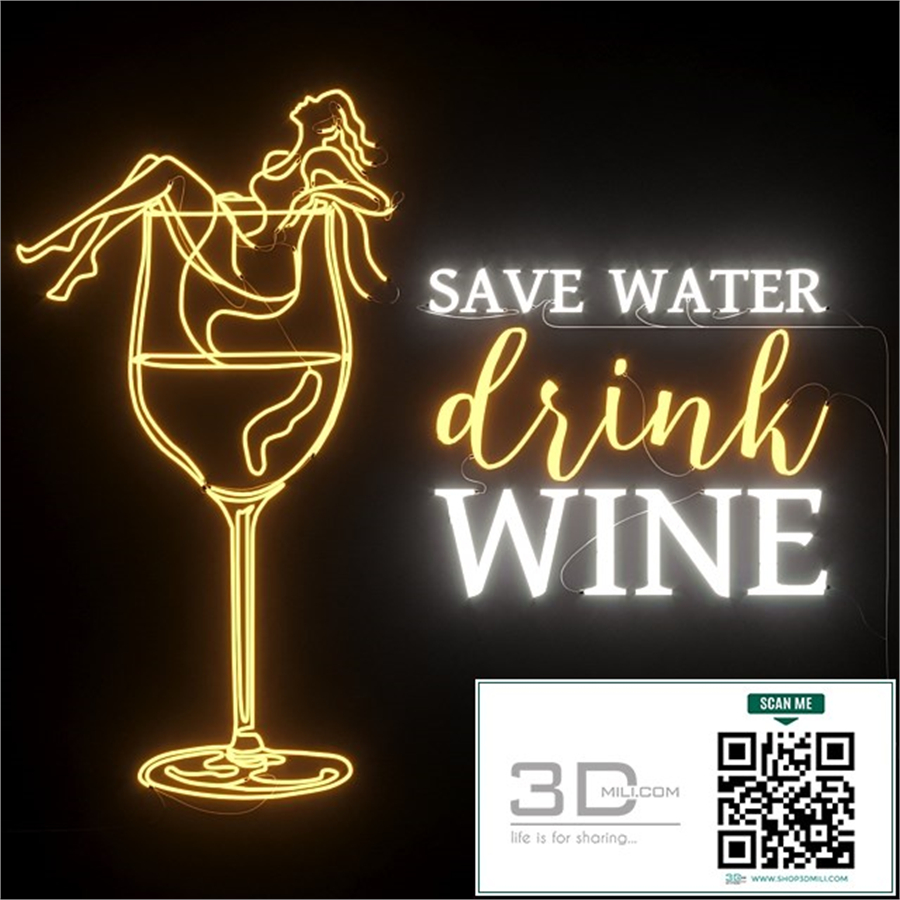
## Neon Set 06: Wine Bar - A Design Exploration
This document delves into the design concept and execution of _Neon Set 06: Wine Bar_, exploring the creative choices, technical considerations, and overall aesthetic aimed at capturing the vibrant and sophisticated atmosphere of a modern wine bar. We'll dissect the design from multiple angles, highlighting key decisions and their impact on the final product.
### Part 1: Conceptualization and Mood Board
The initial phase involved establishing a clear _design direction_. The client brief emphasized a modern, yet warm and inviting ambiance, characteristic of a high-end wine bar. The core concept revolved around leveraging the energy and visual impact of _neon lighting_ to create a striking yet sophisticated environment. This led to the development of a comprehensive _mood board_, incorporating imagery that evoked feelings of elegance, sophistication, and playful vibrancy. This included photographs of Art Deco architecture, textured materials like dark wood and polished marble, alongside images of custom neon signage and abstract art featuring bold color palettes. Key colors identified were deep reds reminiscent of _rich wines_, contrasting with the vibrant glow of _neon pinks_, _oranges_, and _purples_. This juxtaposition of warm earth tones and energetic neon was intended to create a dynamic and memorable visual experience. The mood board also incorporated textures like brushed metal and velvet, hinting at the material choices intended for the final design. This careful curation helped solidify the overall aesthetic direction and served as a guiding reference throughout the design process.
### Part 2: Neon Application and Placement
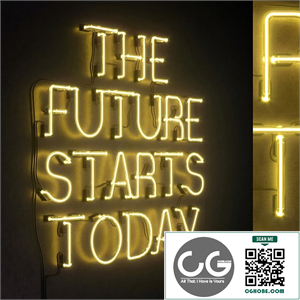
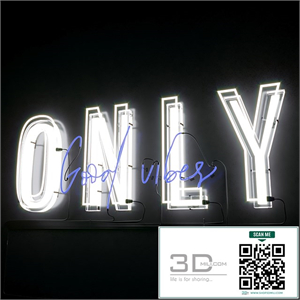
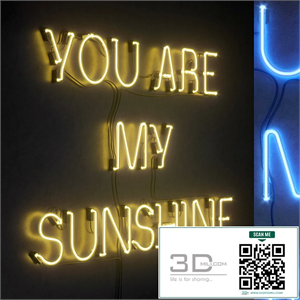
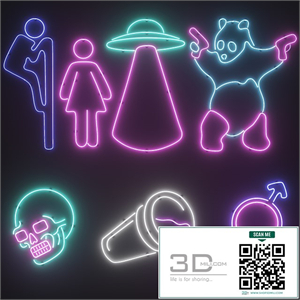
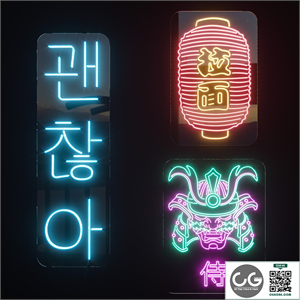
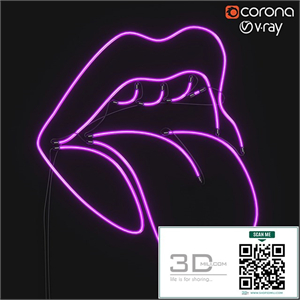
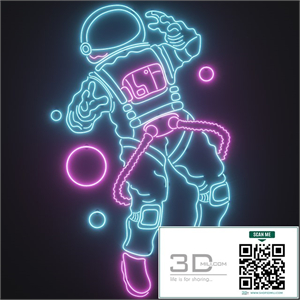
A crucial aspect of _Neon Set 06_ lies in the strategic application of neon lighting. Instead of overwhelming the space, the neon elements are carefully integrated, serving as both functional and decorative features. We eschewed the use of bright, uniform neon washes, opting instead for targeted illumination to highlight specific architectural elements and create focal points. For instance, the bar itself is subtly backlit with a _custom-designed neon strip_, creating a soft, inviting glow that highlights the rich wood grain. Above the bar, a series of individually crafted _neon signs_ featuring stylized wine-related imagery (e.g., grapes, wine bottles) add a playful yet sophisticated touch. These aren’t simply generic neon signs; rather, they are designed with a level of artistic detail, showcasing the _unique craftsmanship_ involved. Furthermore, the placement of these neon elements was carefully considered to ensure they don’t clash with other lighting fixtures, maintaining a harmonious balance between ambient and accent lighting. The choice of _neon colors_ was also crucial; vibrant hues were chosen to complement the overall color scheme, creating a cohesive and aesthetically pleasing atmosphere without being garish or overwhelming. This careful placement and color selection are key to the success of the design's integration of neon as a central aesthetic feature.
### Part 3: Material Selection and Textural Contrast
The _material palette_ chosen for _Neon Set 06_ complements the neon lighting, creating a sophisticated and inviting atmosphere. Dark wood, specifically a rich walnut, is used for the bar top and selected wall paneling, providing a warm and luxurious base. This is contrasted with polished marble accents, creating a visual texture that adds depth and elegance. The contrast between the warmth of the wood and the cool sleekness of the marble mirrors the contrast between the warm colors of the wine and the vibrant hues of the neon. Metallic accents, such as brushed brass or copper, are subtly integrated to further enhance the luxurious feel and complement the warmth of the wood. These materials are not only visually appealing but also durable and appropriate for a high-traffic environment like a wine bar. The selection process emphasized _durability_, _cleanability_, and _aesthetic harmony_, ensuring that the chosen materials would withstand the rigors of daily use while maintaining their visual appeal over time. The textures – the smooth polish of the marble, the rich grain of the wood, and the subtle gleam of the metallic accents – contribute to a multi-sensory experience, enhancing the overall ambiance of the wine bar.
### Part 4: Spatial Design and Flow
The spatial arrangement in _Neon Set 06_ is designed to optimize the flow of patrons and create distinct zones within the space. The bar is positioned strategically to allow for easy access and interaction between bartenders and guests. The seating arrangement is planned to encourage both intimate conversations and larger group gatherings. A balance is struck between creating private nooks and open communal areas, accommodating various social dynamics. The lighting design, with its interplay of ambient and accent lighting, further enhances the spatial organization, guiding the movement of patrons and subtly directing attention to different areas within the space. The use of _zoning through lighting_ helps divide the space into distinct areas without the use of physical barriers, creating a sense of openness while maintaining intimacy. This careful consideration of spatial flow ensures a comfortable and enjoyable experience for all patrons. This aspect of the design considers factors such as _ergonomics_, _accessibility_, and _visual appeal_ to create an optimally functioning and visually stunning space.
### Part 5: Branding and Identity Integration
While the design focuses on the aesthetic, the _integration of branding_ was crucial. Subtle yet prominent elements subtly reflect the wine bar’s identity and name (although not explicitly named in "Neon Set 06"). This might include custom-designed logos incorporated into the neon signs or subtly engraved into the bar's surface. The choice of fonts, materials, and overall aesthetic are aligned with the brand's messaging and target audience. The design doesn’t just create a visually appealing space; it also serves as a powerful tool for brand storytelling, subtly communicating the wine bar’s identity and values through the design choices. This holistic approach, ensuring _brand consistency_ throughout the space, reinforces brand recognition and creates a cohesive and memorable experience for patrons. The success of this integration hinges on a seamless blend of aesthetics and branding, creating a space that is both visually stunning and effectively communicates the wine bar’s brand message.
### Part 6: Technical Considerations and Execution
The realization of _Neon Set 06_ involved meticulous attention to detail and technical expertise. The custom neon signs were produced by skilled artisans, ensuring high-quality craftsmanship and a long lifespan. The electrical systems were designed to meet all safety standards, prioritizing both safety and energy efficiency. The construction process involved careful coordination between various tradespeople to ensure seamless integration of the different elements. The project management aspect was crucial, ensuring the project stayed on schedule and within budget. Detailed _CAD drawings_ and _3D renderings_ were utilized throughout the design and construction process, allowing for visualization and problem-solving before execution. This detailed approach minimized errors and delays, resulting in a high-quality final product that met the design specifications and client expectations. The meticulous attention to _technical details_ guaranteed the longevity and functionality of the design.
### Conclusion: A Synthesis of Art and Functionality
_Neon Set 06: Wine Bar_ is more than just a design; it’s a synthesis of art, functionality, and branding. It showcases the potential of neon lighting to create a sophisticated and memorable ambiance, demonstrating its ability to transcend its often-associated kitsch connotations. By carefully integrating neon with a carefully selected material palette, a well-considered spatial design, and a strong focus on brand identity, this project exemplifies how thoughtful design can elevate a space and create a truly unique and engaging experience. The success of this design lies not just in its visual appeal but also in its functionality, durability, and ability to seamlessly integrate form and function. The result is a space that is both aesthetically pleasing and inviting, promising a memorable experience for patrons of the wine bar.