## The Enigmatic Worlds of Edith Beurskens: An Exploration of Her Painted Landscapes
Edith Beurskens' art is a journey into the heart of *landscape*, not as a mere depiction of nature, but as a complex interplay of *emotion*, *memory*, and *personal interpretation*. Her canvases are not passive reflections of the external world; instead, they are active dialogues between the artist and her subject, resulting in works that are simultaneously familiar and strangely unsettling, beautiful and profoundly *evocative*. This exploration delves into the key themes and techniques that define her unique style, providing a deeper understanding of the artist's vision and the powerful impact of her art.
Part 1: The Alchemy of Light and Shadow
Beurskens' mastery lies in her manipulation of *light* and *shadow*. Her paintings are rarely bathed in the bright, even illumination of a photograph. Instead, she employs a dramatic chiaroscuro technique, creating a palpable sense of *atmosphere* and *depth*. This isn't simply about realistic depiction; it's about harnessing the emotional power of light and shadow to shape the viewer's experience. A sun-drenched field can feel both exhilarating and slightly menacing, its brightness hinting at the potential for hidden darkness. Similarly, a shadowed forest path, though seemingly ominous, can possess a certain allure, a quiet mystery that invites the viewer to explore its depths. This controlled use of light and shadow underscores the inherent ambiguity within her landscapes, reflecting the complex emotions often associated with memories and personal experiences.
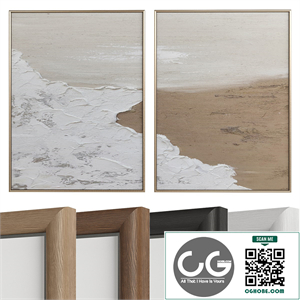
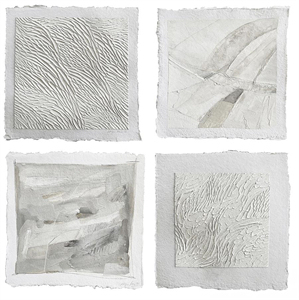
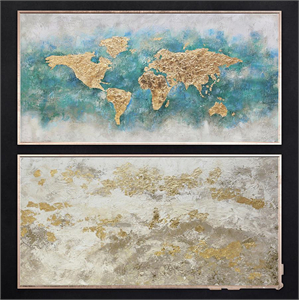
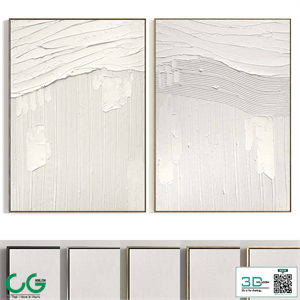
The *texture* of her brushstrokes further enhances this effect. Often thick and impasto, they add a physical dimension to the paintings, allowing the light to catch and reflect in a way that enhances the overall sense of *three-dimensionality*. The viewer is not merely looking at a representation of a scene; they are engaging with a tangible surface, a physical manifestation of the artist's emotional engagement with the subject. This tactile quality invites a closer inspection, encouraging viewers to linger and discover new nuances within each brushstroke.
Part 2: Exploring the Emotional Landscape
While undeniably skilled in capturing the physical *reality* of her subjects, Beurskens' work transcends simple representation. Her landscapes are deeply *personal*, imbued with emotion and often tinged with a sense of *melancholy*. This isn't necessarily a bleak or depressing melancholy, but rather a quiet contemplation, a reflection on the passage of time and the ephemeral nature of beauty. Her paintings invite introspection, prompting viewers to consider their own experiences and connections to the natural world.
The *color palettes* employed by Beurskens further contribute to this emotional landscape. While she often utilizes *vibrant* colors, they are seldom jarring or overly saturated. Instead, they are carefully chosen and modulated, creating a harmonious yet evocative atmosphere. Muted greens, soft blues, and earthy browns often dominate her canvases, hinting at the calmness and quietude often associated with rural settings. However, strategic splashes of brighter hues – a vibrant crimson sunset, a patch of golden wildflowers – punctuate these calmer tones, adding a note of intensity and vitality. These elements are carefully balanced, preventing the overall feeling from becoming either overwhelmingly bleak or overly optimistic.
Part 3: The Symbolism of Nature
Nature in Beurskens' work is not merely a backdrop; it's a key player, a source of both beauty and unease, mirroring the complexities of human experience. Specific elements of the natural world, such as *trees*, *water*, and *sky*, often function as potent *symbols*, carrying layers of meaning that go beyond simple visual description.
*Trees*, for example, might represent strength and resilience, their gnarled branches hinting at the passage of time and the endurance of nature. However, in other paintings, they can appear frail and vulnerable, mirroring human fragility and the transient nature of life. Similarly, *water*, often a symbol of life and renewal, can also evoke a sense of mystery and the unknown depths of the human psyche. The *sky*, depending on its mood – stormy and brooding or clear and serene – adds another layer of emotional depth to the overall composition, reflecting the ever-changing nature of our internal landscapes. This thoughtful use of symbolism creates a richer, more layered reading of the paintings, encouraging viewers to engage with them on multiple levels.
Part 4: Technique and Process: Building the Narrative
Beurskens’ approach is often characterized by a *layered* application of paint. She doesn't necessarily begin with a preconceived plan but allows the painting to evolve organically, allowing the *process* itself to contribute to the final outcome. This spontaneous approach translates into a unique visual texture, adding to the sense of depth and mystery. The viewer can often sense the artist's journey as they examine the layers of paint, identifying shifts in texture, color, and even brushstroke.
This *organic* approach mirrors the natural world itself, where growth and change are constant. The *evolution* of the painting reflects the evolution of the artist's understanding of the subject, creating a work that is both technically masterful and deeply personal. The absence of a rigid plan also encourages unexpected elements to emerge, introducing a degree of spontaneity and unpredictability that adds to the dynamism and intrigue of her work. This openness to chance also reflects the unpredictability of life and emotion, adding to the overall resonance of her paintings.
Part 5: Beyond the Canvas: The Enduring Legacy
Edith Beurskens' paintings transcend mere aesthetics; they offer a profound reflection on the human condition, the relationship between humanity and nature, and the enduring power of memory and emotion. Her work invites viewers to engage actively, to slow down, and to contemplate the subtle nuances of her landscapes. It's an invitation to explore the *emotional depths* hidden beneath the surface, to discover meaning beyond the literal, and to connect with the profound beauty and enduring mystery of the natural world.
Her legacy extends beyond the individual paintings; it lies in her ability to provoke introspection, to ignite dialogue, and to remind us of the intimate connection between our internal worlds and the landscapes that surround us. The lasting impact of her art lies not in its imitative quality but in its evocative power, its ability to stir the soul and inspire a deeper appreciation for the intricate beauty and emotional complexity of the world around us. The subtle shifts in *light* and *shadow*, the carefully chosen *colors*, the symbolic use of *natural elements*, all come together to create a visual narrative that is both deeply personal and universally resonant. Edith Beurskens’ paintings are not just to be viewed; they are to be experienced, felt, and ultimately, understood.