## The Enchanting World of Panda Sculpture: An Exploration of Design, Material, and Meaning
The seemingly simple form of a panda, with its iconic black and white markings and endearingly clumsy gait, belies a rich tapestry of artistic possibilities. A _panda sculpture_ is more than just a representation of this beloved creature; it's a vehicle for expressing creativity, exploring materials, and conveying a multitude of emotions and meanings. This exploration delves into the diverse world of panda sculpture, examining its design considerations, the materials used in its creation, and the symbolic weight it often carries.
### Part 1: Design Considerations – Capturing the Essence of the Panda
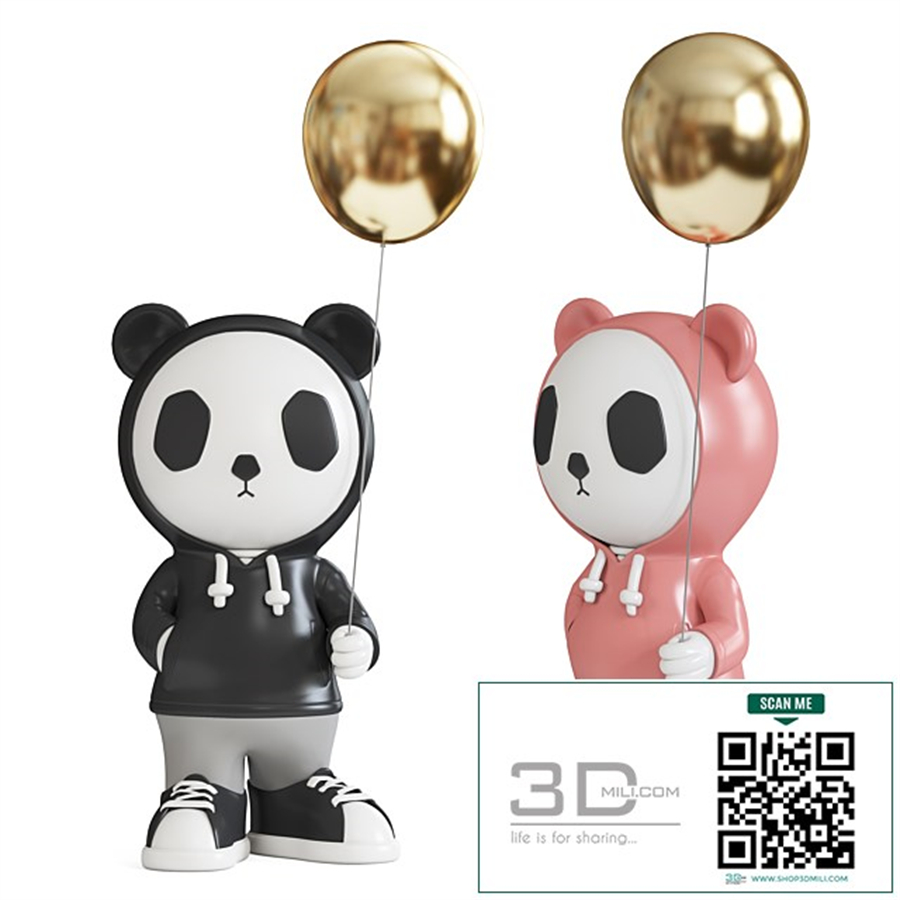
The design of a panda sculpture is a delicate balancing act. The artist must capture the *essential* features that make a panda instantly recognizable – the distinctive markings, the round body, the endearingly clumsy posture. However, simplicity isn't necessarily synonymous with ease. The challenge lies in translating the *three-dimensional* reality of a panda into a compelling and aesthetically pleasing sculpture. This involves careful consideration of several key design elements:
* _Proportion and Scale_: The *relative* sizes of the head, body, limbs, and ears are crucial. A slight deviation can drastically alter the perceived character of the sculpture, shifting it from cute and cuddly to awkward or even menacing. The overall *scale* of the sculpture also plays a significant role. A miniature panda may emphasize cuteness and delicacy, while a monumental piece might convey a sense of power and majesty.
* _Pose and Movement_: The *dynamic* or *static* nature of the chosen pose profoundly influences the sculpture's expressive qualities. A playful panda rolling over conveys a different message than one standing serenely. The *subtle* nuances of posture, like the tilt of the head or the positioning of the paws, can significantly enhance the sculpture's emotional impact. Successfully capturing a sense of *movement*, even in a static form, is a mark of a skilled sculptor.
* _Stylization and Abstraction_: The level of *realism* in the sculpture's depiction of a panda is a key design consideration. A highly *realistic* sculpture might strive for anatomical accuracy, while a more *abstract* piece might focus on capturing the essence of the panda through simplified forms and stylized features. *Cubist* or *surrealist* interpretations, for instance, offer entirely new perspectives on this familiar subject.
* _Material and Texture_: The *chosen* material will inevitably influence the design process. A sculpture carved from *wood* might necessitate a more angular and simplified design compared to one cast in *bronze*, which allows for greater detail and fluidity of form. The *texture* of the material – smooth, rough, polished – will also contribute to the overall aesthetic and emotional impact of the piece.
### Part 2: Materials and Techniques – Bringing the Panda to Life
The materials used in creating a panda sculpture are as diverse as the artists themselves. Each material offers unique challenges and opportunities, influencing both the aesthetic and the longevity of the final piece. Some popular choices include:
* _Bronze_: A classic and enduring material, *bronze* allows for intricate detail and a sense of weight and permanence. *Bronze* sculptures often exhibit a rich patina that develops over time, adding to their character and artistic value. The *casting* process, while technically demanding, allows for the creation of complex forms and intricate details.
* _Stone_: Materials like *marble*, *granite*, and *soapstone* offer a sense of solidity and timelessness. The sculpting process, which often involves subtractive techniques like carving and chipping, requires considerable skill and patience. The inherent *texture* and *color* variations of the stone can be incorporated into the design to enhance the visual appeal of the sculpture.
* _Wood_: *Wood*, with its natural warmth and grain, offers a unique aesthetic. Carving a panda from *wood* requires a deep understanding of the material’s properties and careful planning to avoid structural weaknesses. Different *wood types*, each with its unique color and grain, lend themselves to different stylistic approaches.
* _Clay and Ceramics_: *Clay*, whether fired or left unfired, allows for a wide range of expressive possibilities. The malleability of *clay* allows for organic forms and intricate details. *Glazing* techniques can add vibrancy and texture, while *raku* firing creates unique surface effects.
* _Modern Materials_: Contemporary artists are experimenting with *new materials*, including *resin*, *steel*, and *recycled materials*, to create innovative and striking panda sculptures. These materials offer unique textural and aesthetic possibilities, broadening the range of expressive potential.
### Part 3: Symbolism and Meaning – Beyond the Cute Factor
While the inherent cuteness of pandas is undeniable, a well-executed panda sculpture can transcend mere aesthetics, carrying profound symbolic weight:
* _Conservation and Environmentalism_: The *endangered* status of giant pandas makes them potent symbols of environmental conservation. A panda sculpture can serve as a powerful reminder of the importance of protecting endangered species and their habitats. Artists often use their work to raise *awareness* and advocate for conservation efforts.
* _Peace and Harmony_: The panda's gentle nature and non-aggressive behavior often associate it with *peace* and *harmony*. A panda sculpture can symbolize a desire for peaceful coexistence and a rejection of violence.
* _Innocence and Playfulness_: Pandas' clumsy yet charming movements and endearing facial expressions evoke feelings of *innocence* and *playfulness*. A panda sculpture can serve as a reminder of the importance of preserving our inner child and embracing joy.
* _Strength and Resilience_: Despite their seemingly gentle demeanor, pandas are surprisingly *strong* and *resilient* creatures, capable of surviving in challenging environments. A panda sculpture can symbolize strength in the face of adversity and the ability to overcome obstacles.
* _Cultural Significance_: In some cultures, the panda holds special *cultural* *significance*, representing good fortune, prosperity, or spiritual enlightenment. The *interpretation* of the panda's symbolic meaning can vary depending on cultural context.
### Part 4: The Panda Sculpture as Art – A Multifaceted Expression
The creation and appreciation of a panda sculpture encompass a multitude of perspectives. It's a fusion of artistic skill, material science, and symbolic representation. Whether it's a highly realistic depiction or an abstract interpretation, a panda sculpture communicates a message, evokes an emotion, and adds a unique touch to any setting. The *artist's* vision, the *material's* qualities, and the *viewer's* interpretation all contribute to the richness and complexity of the experience. The enduring appeal of the panda, coupled with the boundless creativity of artists, ensures that the enchanting world of panda sculpture will continue to thrive and evolve for years to come. The continued creation and appreciation of panda sculptures, in their diverse forms and styles, will ensure that this beloved creature remains a source of inspiration and artistic expression for generations to come. Each *individual* sculpture tells a story, carrying with it the artist's unique vision and the lasting power of the panda symbol itself.