## Plants Collection 101: Ficus Lyrata – A Beginner's Guide to the Majestic Fiddle-Leaf Fig
The world of indoor plants is vast and captivating, offering a spectrum of shapes, textures, and personalities to enrich our living spaces. For beginners, navigating this green wonderland can feel overwhelming. This series, "Plants Collection 101," aims to demystify the process, offering comprehensive guides to popular and intriguing plant species, starting with a true icon: the *Ficus lyrata*, better known as the *fiddle-leaf fig*.
Part 1: Unveiling the Fiddle-Leaf Fig – Majesty and Myth
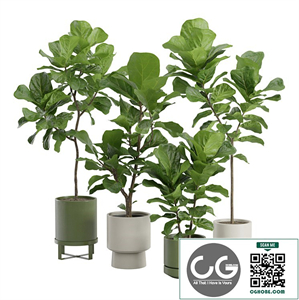
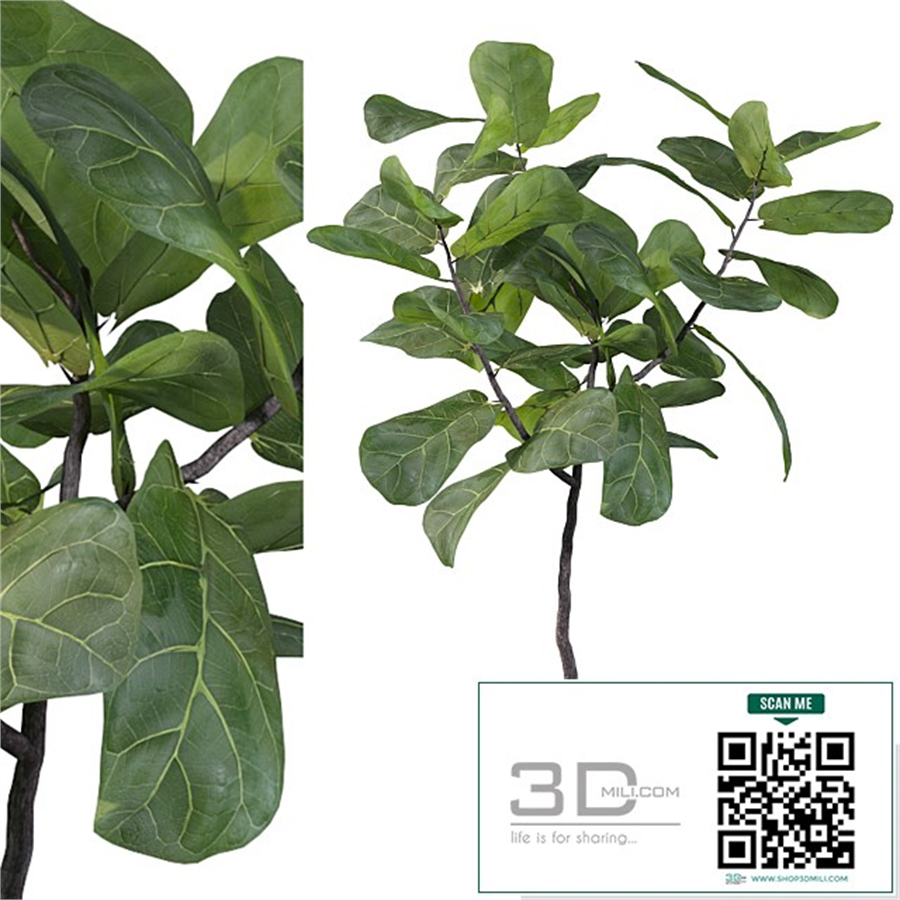
The *Ficus lyrata* isn't just a plant; it's a statement. Its large, *violin-shaped leaves* command attention, lending an air of sophistication and natural elegance to any room. Originating in the rainforests of western Africa, this species boasts a rich history and a reputation, perhaps somewhat undeserved, for being *difficult* to care for. While it's true that the *fiddle-leaf fig* demands attention, with the right approach, cultivating a thriving specimen is entirely achievable, even for novice plant parents.
This guide will dispel common myths and equip you with the knowledge to successfully integrate this stunning plant into your home. We'll cover everything from selecting the perfect *fiddle-leaf fig* to tackling common problems and ensuring its long-term health and beauty. The journey to a flourishing *Ficus lyrata* begins with understanding its fundamental needs.
Part 2: Selecting Your Perfect Fiddle-Leaf Fig – A Matter of Choice
Before bringing your *fiddle-leaf fig* home, careful selection is crucial. The quality of your starting plant significantly influences its future growth and overall health. Avoid impulse purchases; take your time to assess the plant's condition thoroughly.
* Leaf health: Examine the leaves carefully. Look for vibrant, deep green color, free from brown spots, blemishes, or signs of disease. Avoid plants with yellowing, drooping, or excessively dry leaves. Healthy leaves are firm and slightly leathery to the touch.
* Stem integrity: The stem should be sturdy and unblemished. Avoid plants with soft, mushy stems or noticeable damage.
* Root system: If possible, check the root system (this is easier with plants sold in pots). Healthy roots should be white or light brown, firm, and not circling tightly around the root ball. Rootbound plants can struggle to thrive.
* Overall appearance: Choose a plant that appears balanced and well-proportioned. Avoid plants that are excessively leggy or lopsided.
* Pot size: Ensure the pot is appropriately sized for the plant; it shouldn't be overly large or cramped.
Purchasing your *fiddle-leaf fig* from a reputable nursery or garden center increases your chances of success. These establishments often provide better care and selection than big box stores. Don't be afraid to ask questions! knowledgeable staff can offer valuable insights.
Part 3: The Essential Trio – Light, Water, and Humidity
The success of your *fiddle-leaf fig* hinges on mastering the art of providing the right balance of *light, water, and humidity*. Each element plays a critical role in its overall well-being.
* Light: *Ficus lyrata* thrives in bright, indirect light. Direct sunlight can scorch the leaves, leading to unsightly brown spots. An east- or west-facing window, filtered by a sheer curtain, is ideal. In low-light conditions, the leaves may drop, and the plant will struggle to grow.
* Watering: This is often the biggest challenge for *fiddle-leaf fig* owners. Overwatering is a common cause of root rot and plant decline. Water thoroughly only when the top inch or two of soil feels dry to the touch. Allow excess water to drain completely from the pot to prevent soggy soil. The frequency of watering will vary depending on the season, temperature, and pot size. During winter months, watering may be needed less frequently.
* Humidity: As a rainforest native, the *fiddle-leaf fig* appreciates high humidity. In dry environments, you may need to increase humidity levels artificially. This can be achieved by grouping plants together, placing the pot on a humidity tray filled with pebbles and water, or using a humidifier. Regular misting can also provide temporary relief, but it's not a long-term solution.
Part 4: Soil, Fertilization, and Repotting – Nurturing Growth
Providing the right growing medium and nutrients is crucial for a healthy *fiddle-leaf fig*.
* Soil: Well-draining potting mix is essential to prevent root rot. A mix specifically designed for indoor plants, or a blend of potting soil, perlite, and orchid bark, works well. Avoid heavy clay soils that retain excessive moisture.
* Fertilization: Feed your *fiddle-leaf fig* with a balanced liquid fertilizer during the growing season (spring and summer) every 2-4 weeks. Reduce or cease fertilization during the dormant period (autumn and winter). Over-fertilizing can harm the plant.
* Repotting: Repot your *fiddle-leaf fig* when its roots become rootbound, usually every 1-2 years. Choose a pot only slightly larger than the previous one. Gentle handling is crucial during repotting to avoid damaging the roots.
Part 5: Troubleshooting Common Problems – Addressing Challenges
Even with the best care, *fiddle-leaf figs* can encounter problems. Recognizing and addressing these issues promptly is key to maintaining a healthy plant.
* Yellowing leaves: This can indicate overwatering, underwatering, or nutrient deficiency. Check the soil moisture level and adjust your watering schedule accordingly. Consider applying a balanced fertilizer.
* Brown leaf tips: This often points to low humidity or infrequent watering. Increase humidity levels and adjust your watering routine.
* Leaf drop: Leaf drop can be a sign of stress due to various factors, including temperature fluctuations, changes in light conditions, or pests. Investigate the underlying cause and address it accordingly.
* Pests: Keep an eye out for common indoor plant pests like spider mites, mealybugs, and aphids. Treat any infestations promptly with appropriate insecticidal soap or neem oil.
Part 6: Propagation – Expanding Your Fiddle-Leaf Fig Family
Propagating your *fiddle-leaf fig* allows you to expand your collection and share the beauty with others. While not always easy, propagation through stem cuttings is possible. This requires patience and attention to detail, but the reward of a new plant is well worth the effort. This involves taking stem cuttings, treating them with rooting hormone, and planting them in a suitable propagation medium. Maintaining consistent humidity and warmth is critical during the rooting process.
Conclusion:
The *Ficus lyrata*, with its majestic presence, adds a touch of elegance and sophistication to any indoor space. While it has a reputation for being somewhat demanding, providing the right balance of care will reward you with a thriving, beautiful plant that will bring joy for years to come. By following the guidelines outlined in this guide, you'll be well-equipped to cultivate a healthy and magnificent *fiddle-leaf fig*, even as a beginner plant parent. Remember, patience and observation are key to success in the world of indoor plants. Happy growing!