## Plants Collection 92: Schefflera Arboricola – A Deep Dive into the Umbrella Plant
This comprehensive guide delves into the fascinating world of the *Schefflera arboricola*, commonly known as the umbrella plant, dwarf schefflera, or miniature schefflera. Part of the *Araliaceae* family, this popular houseplant boasts a captivating appearance and surprisingly adaptable nature, making it a favorite among both novice and experienced plant enthusiasts. This exploration will cover everything from its *botanical origins* and *characteristic features* to *cultivation techniques*, *common problems*, and *propagation methods*, ensuring you have all the information needed to successfully nurture your own Schefflera arboricola.
Part 1: Botanical Origins and Identifying Characteristics
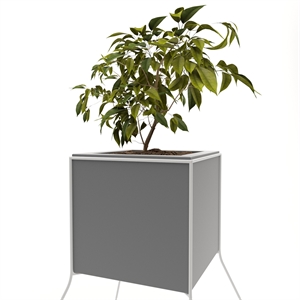
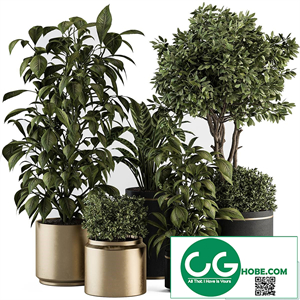
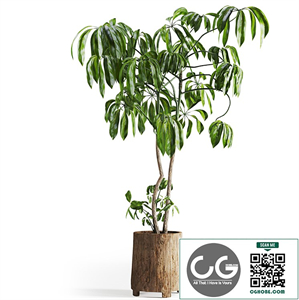
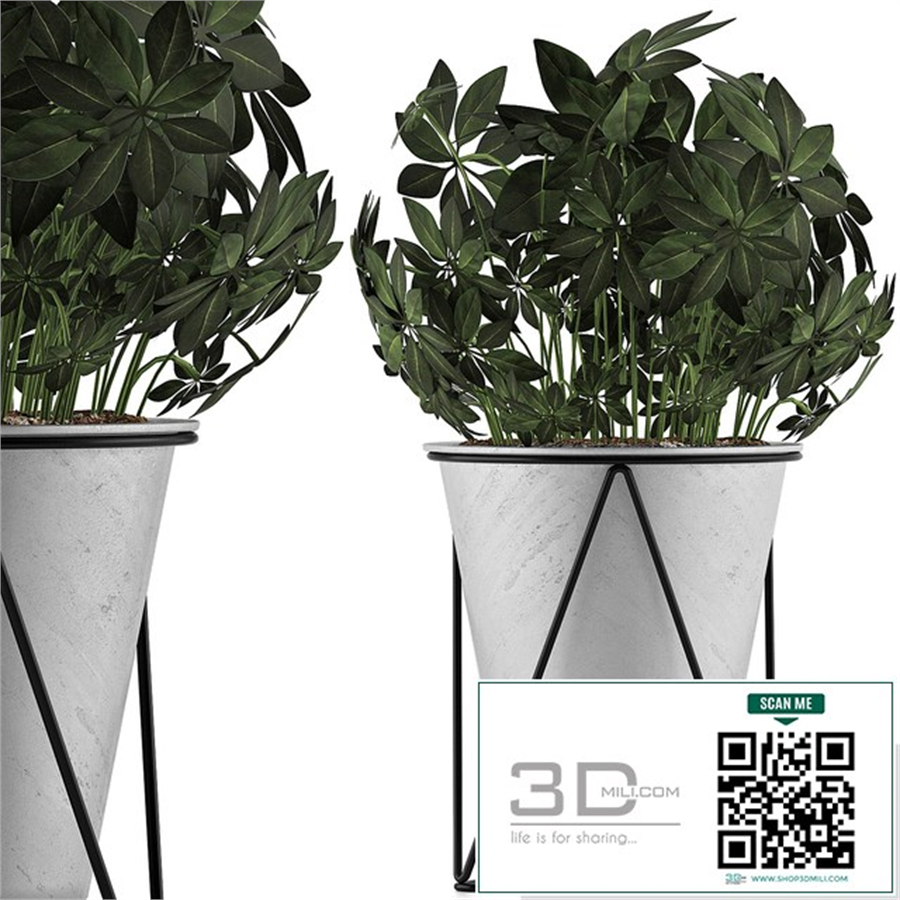
The *Schefflera arboricola*, native to *Taiwan* and *southern China*, thrives in *tropical and subtropical climates*. It's an *evergreen shrub* that can reach impressive heights outdoors, but remains compact and manageable as a *houseplant*. Its *distinctive feature*, from which it derives its common name, is its *palmately compound leaves*. These leaves, radiating from a central point like an umbrella, are typically composed of *7-9 leaflets*, though variations can occur. The leaflets themselves are *ovate to oblong*, with *smooth margins* and a *leathery texture*. Their *color* typically ranges from a *deep green* to a *lighter, almost yellowish-green*, depending on the *cultivar* and *growing conditions*. Some *cultivars* showcase *variegated foliage*, featuring *stripes or patches of cream, yellow, or white*, adding a unique visual appeal. The *Schefflera arboricola* rarely flowers indoors, but when it does, it produces small, inconspicuous *inflorescences* composed of tiny, greenish-white flowers. These flowers are followed by small, round berries. Understanding these *botanical characteristics* is crucial for proper identification and care.
Part 2: Cultivating the Perfect Umbrella Plant: Light, Water, and Soil
Successfully growing a *Schefflera arboricola* hinges on providing the right *growing conditions*. This plant appreciates *bright, indirect light*. *Direct sunlight* can scorch its leaves, leading to *brown tips and leaf burn*. An *east- or west-facing window* is generally ideal, while a *south-facing window* requires some *filtering or shading*. *Low light conditions*, on the other hand, can result in *leggy growth* and a loss of vibrant color.
*Watering* the *Schefflera arboricola* requires a delicate balance. It prefers *moist but not soggy soil*. Allow the *top inch or two of soil* to dry out between waterings. *Overwatering* is a common mistake that can lead to *root rot*, a fatal condition for this plant. During the *winter months*, reduce watering frequency to reflect the slower growth rate. The use of a well-draining *potting mix* is paramount. A commercial *potting mix* amended with *perlite* or *orchid bark* will ensure proper drainage and aeration.
The *ideal temperature range* for the *Schefflera arboricola* is between *65°F and 75°F (18°C and 24°C)*. It's sensitive to *cold drafts and temperatures below 55°F (13°C)*. Maintaining a *consistent temperature and humidity level* is crucial for optimal growth. Increasing *humidity* through *regular misting*, placing the pot on a *humidity tray*, or using a *humidifier* is beneficial, especially during dry winter months.
Part 3: Nutrition, Repotting, and Pruning Techniques
Providing adequate *nutrition* is essential for the healthy growth of your *Schefflera arboricola*. Fertilize regularly during the *growing season* (spring and summer) using a balanced, *water-soluble fertilizer*, diluted to half strength. Avoid fertilizing during the *dormant period* (autumn and winter). *Over-fertilization* can damage the roots and lead to *salt buildup* in the soil.
As your *Schefflera arboricola* grows, it will eventually require *repotting*. This is typically done every *one to two years*, or when the roots become *root-bound* and begin to emerge from the drainage holes. Choose a pot that is only slightly larger than the previous one. A *well-draining potting mix* is essential for preventing root rot.
*Pruning* is an important aspect of maintaining the shape and size of your *Schefflera arboricola*. Pinch back the *growing tips* to encourage bushier growth and prevent the plant from becoming leggy. Remove any *damaged, diseased, or yellowing leaves* promptly. Pruning is best done in the *spring or early summer*.
Part 4: Common Problems, Pests, and Diseases
Despite its relatively low-maintenance nature, the *Schefflera arboricola* is susceptible to several *common problems*. *Yellowing leaves* often indicate *overwatering*, *underwatering*, or *nutritional deficiencies*. *Brown leaf tips* are frequently caused by *low humidity*, *dry air*, or *exposure to fluoride in tap water*. *Leaf drop* can result from *temperature fluctuations*, *drafts*, or *stress*.
The *Schefflera arboricola* can be susceptible to various *pests*, including *spider mites*, *mealybugs*, and *aphids*. Regularly inspect your plant for signs of infestation. Treat infestations promptly using *insecticidal soap* or *neem oil*.
*Fungal diseases*, such as *root rot*, can be a serious problem if the plant is overwatered or the soil is poorly draining. Ensure proper watering practices and use a well-draining potting mix to prevent fungal infections. Early detection and prompt treatment are crucial for managing these issues.
Part 5: Propagation – Expanding Your Umbrella Plant Collection
Propagating the *Schefflera arboricola* is relatively straightforward and allows you to expand your collection or share this beautiful plant with others. The most common method is *stem cuttings*. Take *4-6 inch cuttings* from healthy stems, removing the lower leaves. Dip the cut ends in *rooting hormone* and plant them in a moist *propagation mix*. Keep the cuttings warm and humid, ideally under a *plastic dome or humidity tent*, until roots develop.
Another propagation method involves *air layering*. This technique involves wounding a stem, wrapping it in moist sphagnum moss, and covering it with plastic. Roots will eventually develop at the wound site, allowing you to separate and pot the new plant.
Conclusion:
The *Schefflera arboricola*, with its appealing *umbrella-shaped leaves* and *adaptable nature*, is a rewarding houseplant for both beginners and experienced plant enthusiasts. By understanding its *botanical characteristics* and following the outlined *cultivation techniques*, you can successfully nurture a thriving *Schefflera arboricola* that will bring beauty and tranquility to your home for years to come. Remember to observe your plant closely, addressing any issues promptly to ensure its long-term health and vibrant growth. With proper care, your *Schefflera arboricola* will surely become a cherished addition to your plant collection.