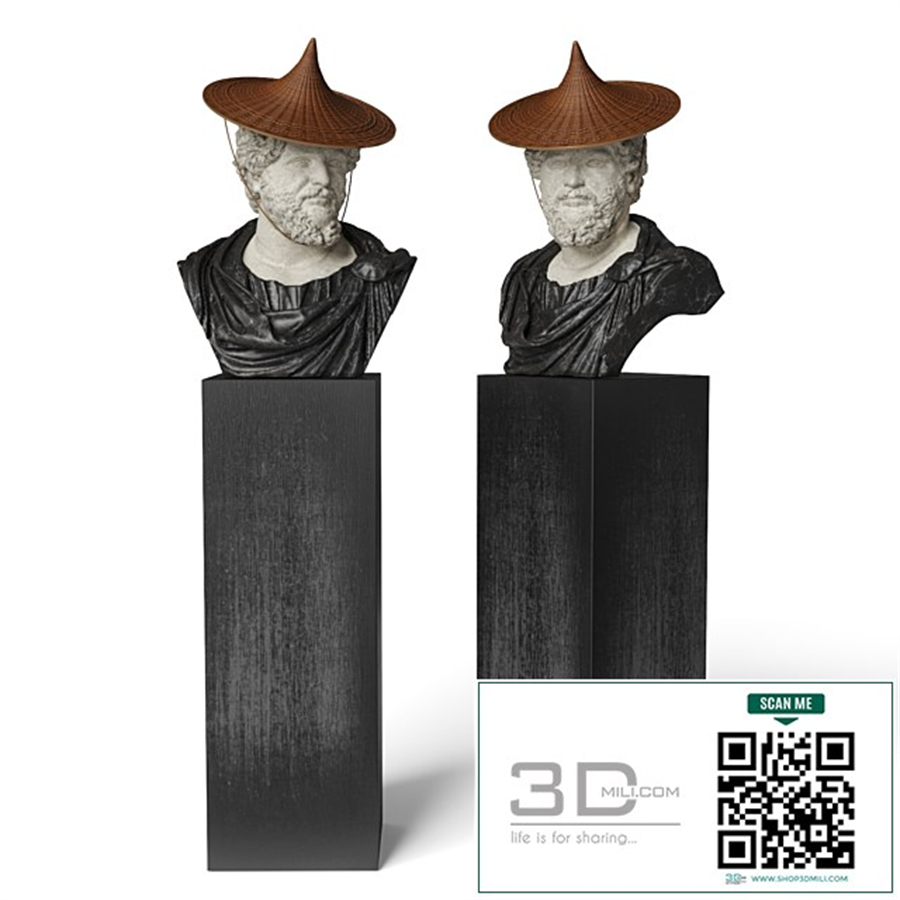
## The Septimius Severus Bust: A Study in Imperial Portraiture and the Power of the *Hat*
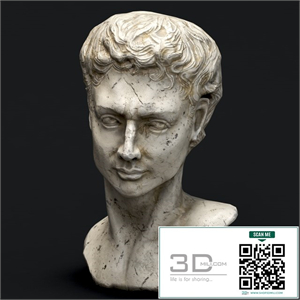
This essay delves into the fascinating world of Roman imperial portraiture, focusing specifically on the iconic depictions of Emperor Septimius Severus, with a particular emphasis on the intriguing and often overlooked detail of the *hat* he is frequently shown wearing. While the sculpted busts of Septimius Severus are numerous and well-studied, the consistent presence, and variations in the style, of his headwear offer a compelling lens through which to examine the emperor’s image-making strategies, his relationship with the *Roman army*, and the broader socio-political landscape of his reign (193-211 CE).
Part 1: Septimius Severus – A Ruler Defined by Pragmatism and Power
Septimius Severus's rise to power was far from conventional. He wasn't a member of the established *Roman elite*, but a pragmatic and ambitious military commander who seized the *imperial throne* through force. This *military background* profoundly influenced his reign and shaped his public image. Unlike emperors who sought to project an image of idealized classical beauty, Septimius Severus often presented himself in a more *realistic*, even *austere* manner. His portraits frequently showcase his strong features – a prominent nose, a determined jawline – reflecting a man of action, a soldier-emperor who had earned his position through *strength* and *military prowess*. This emphasis on *reality* over *idealization* is a crucial element to understanding the significance of the *hat* in his busts.
Part 2: Deconstructing the Hat: More Than Just Headwear
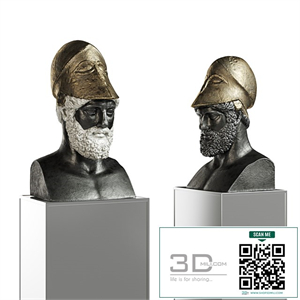
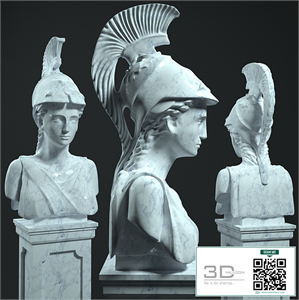
The *hat* worn by Septimius Severus in numerous busts is far from a mere fashion accessory. Its presence is deliberate, imbued with symbolic meaning that resonates with the emperor’s identity and his relationship with the *Roman populace*. The *hat* itself varies in depiction across different busts; sometimes it's a *simple cap*, other times a more elaborate *military-style helmet*. This variation is significant, showcasing the emperor's ability to project different facets of his persona to different audiences.
Part 3: The Symbolic Language of the Military Hat
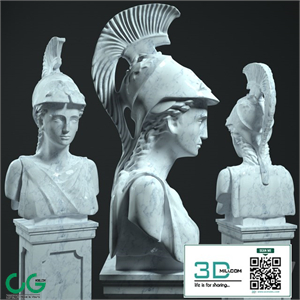
The presence of a *military-style helmet* in some busts directly links Septimius Severus to the *Roman army*, his bedrock of support. It underscores his military origins and his reliance on the army to maintain his power. The *helmet* isn't merely a costume; it’s a potent symbol of *authority*, *protection*, and *military might*. It speaks to his legitimacy as commander-in-chief and assures the army, and by extension the *empire*, of his continued ability to defend Roman interests, both domestically and abroad. This visual *language* was critical in a period marked by significant internal strife and external threats.
Part 4: The Simple Cap: A Gesture Towards Civility?
Contrasting the *military helmet*, the simpler *caps* depicted in other busts suggest a different aspect of Septimius Severus’ persona. These *caps*, while still suggesting authority, possess a less overtly aggressive visual impact. They might be interpreted as a gesture towards *civility*, a subtle acknowledgement of the emperor's role as a *civil administrator* alongside his military duties. The *subtlety* of this shift in headwear demonstrates a sophisticated understanding of visual communication and the strategic use of *iconography* to cultivate different *public perceptions*.
Part 5: Regional Variations and the Dissemination of Imperial Propaganda
The depictions of Septimius Severus, including the choice of headwear, also varied across the *Roman empire*. Busts commissioned in different provinces might exhibit subtle differences in the style of the *hat*, reflecting local preferences or even attempts to tailor the emperor's image to specific regional sensitivities. This *regional variation* underscores the vital role of imperial portraiture in disseminating *propaganda* and maintaining *political control* throughout the vast and diverse empire.
Part 6: The Hat as a Reflection of Power Dynamics
The *hat*, in its various forms, can also be viewed through the lens of *power dynamics*. The choice between a *military helmet* and a simple *cap* might have been calculated to convey a specific message about the emperor's relationship with particular groups within society. For instance, a *military helmet* might be used to emphasize his *control over the legions* to address potential threats, while a simpler *cap* might be preferred when interacting with civilian populations to project an image of *stability* and *order*. The choice was not arbitrary but strategically determined to reinforce the emperor's *authority* and secure his position.
Part 7: The Busts as a Source of Historical Evidence
The existing busts of Septimius Severus are not only artistic achievements but also important *historical sources*. They provide invaluable insights into the *emperor's self-presentation*, his interaction with the *Roman army*, and the challenges he faced during his reign. By analyzing the *detail*, the *style*, and the *variations* in these busts, particularly the significance of the *hat*, historians can reconstruct a more nuanced and complete understanding of this critical period in Roman history.
Part 8: Conclusion: The Enduring Legacy of a Carefully Constructed Image
The *hat* worn by Septimius Severus in his numerous busts is far more than a simple accessory. It's a key element in the *constructed image* of the emperor, reflecting his *military origins*, his relationship with the *army*, his efforts to project *authority*, and his understanding of the power of *visual communication*. By examining these subtle details, we gain a richer appreciation for the complex strategies employed by Septimius Severus to consolidate and maintain his power, shaping his enduring legacy within the annals of Roman history. The *subtleties* of his portraiture, particularly the nuanced use of his headwear, offer a compelling case study in the *art of imperial propaganda* and the enduring power of carefully crafted *visual messages*. Further research into the specific materials used to create these busts, the workshops where they were produced, and the contexts in which they were displayed will continue to refine our understanding of Septimius Severus and his skillful manipulation of his public image.