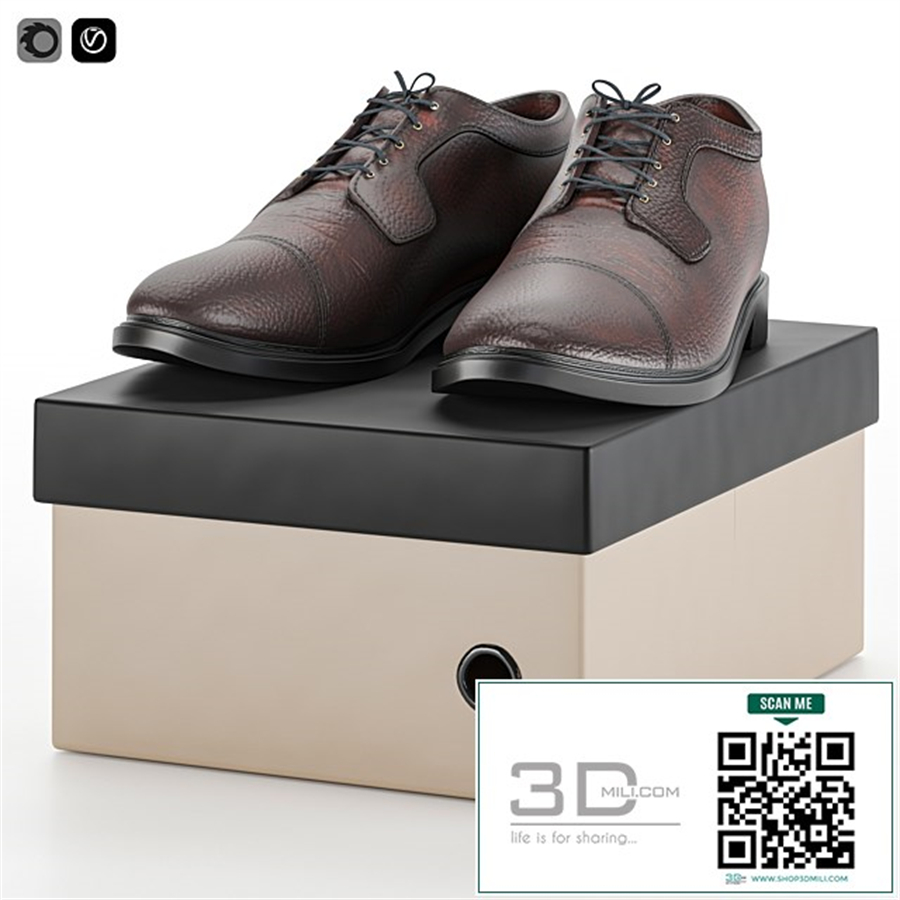
## The Anatomy of a *Shoe*: A Deep Dive into Design, Function, and Aesthetics (Part 1: Foundation & Materials)
The seemingly simple *shoe* is a marvel of engineering, a testament to human ingenuity, and a powerful statement of personal style. From the humble sandals of antiquity to the technologically advanced footwear of today, the *shoe* has continuously evolved, adapting to the demands of its wearer and the advancements in materials science. This exploration delves into the intricate world of *shoe* design, examining its foundational elements, the materials that bring it to life, and the considerations that go into crafting a comfortable, durable, and aesthetically pleasing *shoe*.
Part 1.1: The Foundation – Lasts and Patterns
Before any material is even considered, the *shoe's* design begins with the last. The last is a three-dimensional model of the human foot, acting as a template upon which the *shoe* is built. The shape and dimensions of the last directly influence the *shoe's* fit, comfort, and overall aesthetic. Different lasts cater to various foot shapes (e.g., narrow, wide, high arch), activities (e.g., running, walking, formal wear), and styles (e.g., pointed toe, round toe). The choice of last is crucial; a poorly chosen last can lead to discomfort, blisters, and even long-term foot problems.
The next critical stage is the pattern cutting. Experienced pattern makers translate the three-dimensional form of the last into two-dimensional patterns, meticulously crafted to ensure precise alignment and fit. This process requires an understanding of both the intricacies of the human foot and the draping properties of the materials used. *Pattern adjustments* are often made during this stage, refined through trial and error, to optimize comfort and style. Each component of the *shoe* – from the upper, to the insole, to the outsole – receives its own carefully constructed pattern. The precision of pattern cutting is directly proportional to the quality and performance of the finished *shoe*. Inaccurate patterns lead to ill-fitting, uncomfortable, and even structurally unsound *shoes*.
Part 1.2: Materials – The Heart of the *Shoe*
The selection of materials significantly impacts the *shoe's* performance, durability, comfort, and aesthetics. A careful balance must be struck between material properties, cost, and the intended purpose of the *shoe*.
* Uppers: The upper is the visible portion of the *shoe* that encloses the foot. A wide array of materials are used for uppers, each offering unique properties:
* Leather: A classic choice, *leather* offers breathability, durability, and a luxurious feel. Different types of leather (e.g., full-grain, top-grain, suede) offer varying levels of durability and water resistance. *Leather* requires proper care and conditioning to maintain its longevity.
* Synthetic Materials: These materials often provide cost-effectiveness, water resistance, and ease of cleaning. *Synthetic materials* such as PU (polyurethane) and PVC (polyvinyl chloride) are commonly used, and advancements in technology continue to improve their breathability and overall performance.
* Textiles: *Textiles* such as nylon, canvas, and mesh are often used for their breathability and lightweight properties. They are especially popular in athletic *shoes* where ventilation is crucial. Modern textile advancements offer improved durability and water resistance.
* Midsole: The *midsole* sits between the outsole and the insole, providing cushioning and support. Common materials include:
* EVA (Ethylene-Vinyl Acetate): A lightweight and cost-effective cushioning material. Different densities of EVA can be used to create different levels of cushioning.
* PU (Polyurethane): Offers superior cushioning and durability compared to EVA, but is often heavier and more expensive.
* TPU (Thermoplastic Polyurethane): A highly durable and abrasion-resistant material often used in the heel area for added support.
* Outsole: The *outsole* is the bottom layer of the *shoe*, providing traction and protection. Materials include:
* Rubber: A highly durable and versatile material that provides excellent traction in various conditions. Different rubber compounds offer varying levels of grip, durability, and flexibility.
* PU (Polyurethane): Offers good cushioning and abrasion resistance, although it may not provide the same level of traction as rubber.
* TPU (Thermoplastic Polyurethane): Used in high-performance *shoes* for superior durability and abrasion resistance.
Part 1.3: Construction Techniques – Bringing it All Together
The materials selected are then assembled using a variety of construction techniques, each impacting the *shoe's* durability, flexibility, and cost.
* Cement Construction: This common method uses adhesives to bond the upper to the midsole and outsole. It's cost-effective and allows for a variety of materials.
* Stitch-Down Construction: The upper is stitched directly to the welt, which is then attached to the outsole. This offers increased durability and flexibility.
* Goodyear Welt Construction: A more complex and durable method, it features a welt (a strip of leather or material) that separates the upper from the outsole, allowing for easy resoling and increased longevity. This construction is considered the most premium and durable.
* Injection Molded Construction: This method injects the midsole material directly onto the upper, creating a lightweight and streamlined *shoe*. It's common in athletic footwear.
The meticulous selection of materials and the careful execution of construction techniques are the cornerstones of quality *shoe* design. These elements, working in harmony, determine the *shoe's* overall performance, durability, and comfort.
(To be continued in Part 2: Upper Design & Aesthetics, focusing on *Shoe* styles, trends, and the interplay of form and function.)