## The Serpent's Design: A Multifaceted Exploration
This extended exploration delves into the multifaceted symbolism and practical applications of the *snake* as a design motif. From ancient mythology to modern aesthetics, the snake has captivated human imagination, evoking a complex range of emotions and interpretations. We will unpack its significance across diverse cultures and contexts, exploring its use in art, fashion, architecture, and even technology, ultimately aiming to understand the enduring power of the *snake* as a design element.
Part 1: The Archetypal Snake: Mythology and Symbolism
The *snake* occupies a central position in the mythology and folklore of numerous cultures worldwide. Its inherent ambiguity – a creature of both beauty and danger – lends itself to a wealth of symbolic interpretations. In some traditions, the *snake* is a symbol of *healing* and *rebirth*, associated with the shedding of its skin and its cyclical nature. The staff of Asclepius, the Greek god of medicine, famously features a *snake* entwined around it, a powerful visual representation of this association. The *snake*, therefore, embodies the transformative power of nature, the cyclical process of death and renewal, and the potent mysteries of the unknown.
Conversely, many cultures view the *snake* as a symbol of *temptation*, *evil*, and *destruction*. The biblical account of the Garden of Eden solidifies this negative connotation, portraying the *snake* as the instrument of deception and the fall of humankind. This duality inherent in the *snake*'s symbolism reflects its paradoxical nature – a creature capable of both immense good and devastating harm. This inherent contradiction is precisely what makes the *snake* such a compelling and endlessly fascinating design element. Consider the ancient Egyptian *snake* goddess Wadjet, protector and symbol of Lower Egypt, representing both nurturing motherhood and the potent threat of the desert. This duality is inherent to the enduring appeal of using the *snake* image in *design*.
Part 2: The Snake in Art and Architecture
Throughout history, artists and architects have harnessed the power of the *snake* to create visually striking and symbolically rich works. From the intricately carved *snake* motifs adorning ancient Mayan temples to the sinuous *snake* sculptures found in many indigenous cultures, the *snake* has served as a recurring theme in visual art. Its flowing lines and dynamic form lend themselves to both abstract and realistic representations, offering a wealth of creative possibilities.
The *snake* often appears in architectural details, representing protection, fertility, or a connection to the earth's primal energies. The *snake* motif can be subtly integrated into building design, as in decorative cornices or friezes, or it can serve as a prominent focal point, as in colossal *snake* statues or columns inspired by *snake* forms. The *snake*'s flexibility allows for adaptation to various architectural styles, seamlessly integrating into both classical and modern designs. Art Nouveau, in particular, drew heavily on natural forms, with the *snake*’s elegant curves frequently incorporated into its designs for furniture, jewelry, and posters. The use of the *snake* in these artistic movements demonstrates its enduring versatility and its capacity to transcend time and cultural boundaries.
Part 3: The Snake in Fashion and Jewelry
The *snake* has also made a significant impact on the world of fashion and jewelry design. Its captivating form lends itself to both delicate and dramatic adornments. *Snake* bracelets, necklaces, and rings, crafted from precious metals and gemstones, often symbolize sensuality, power, and healing. The sleek, sinuous lines of a *snake* create a dynamic and eye-catching visual effect, transforming a simple piece of jewelry into a statement of personal style.
High-fashion designers frequently incorporate *snake* motifs into their collections, employing the *snake*’s image in prints, embroideries, and even three-dimensional appliqués. The *snake* can represent seduction, mystery, or even a touch of rebellion, depending on the overall design aesthetic. The versatility of the *snake* motif allows for a wide range of interpretations, from elegant and understated to bold and provocative. *Snake*-skin handbags and shoes have also enjoyed periods of popularity, although ethical considerations surrounding the sourcing of *snake* skin have led to increased demand for alternative materials. This highlights the ongoing dialogue surrounding the ethical implications of using animal-derived materials in fashion design.
Part 4: The Snake in Contemporary Design and Technology
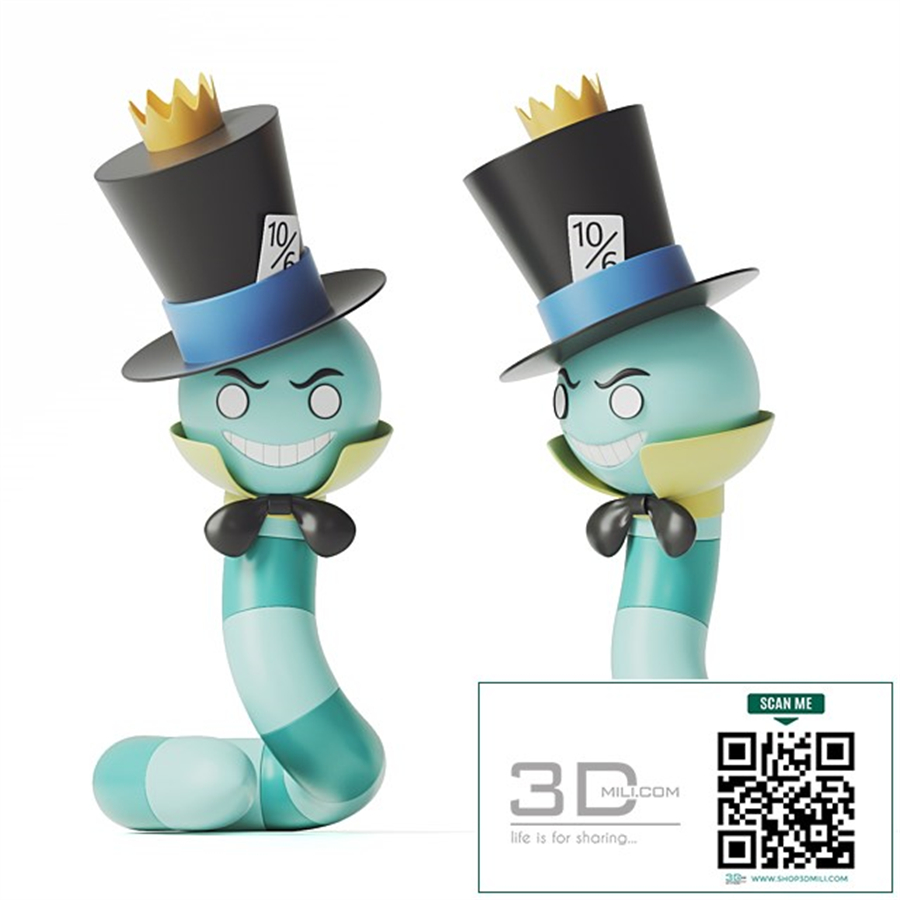
Beyond traditional applications, the *snake* continues to inspire contemporary designers and technologists. Its form, particularly its flexible and agile nature, has found applications in robotics and product design. The *snake*-like movements of certain robots, for example, allow for maneuverability in confined spaces, mimicking the *snake*'s natural ability to navigate complex environments. The elegance of a *snake*'s movement provides inspiration for the design of elegant and efficient mechanical systems.
The *snake*'s imagery also lends itself well to digital design and graphic design. Its smooth curves and flowing lines create visually appealing logos and brand identities, often conveying concepts of flexibility, adaptability, and transformation. The ambiguity of the *snake*’s symbolism can be cleverly harnessed to create designs that invite multiple interpretations and resonate with diverse audiences. The digital realm offers countless opportunities to reinterpret the *snake* in innovative and unexpected ways, pushing the boundaries of traditional design conventions.
Part 5: The Future of Snake Design
The enduring appeal of the *snake* in design lies in its inherent versatility and symbolic richness. As cultures continue to evolve and reinterpret ancient symbols, the *snake* will undoubtedly maintain its relevance in various creative fields. New technologies and design approaches will offer exciting possibilities for exploring the *snake*'s form and function in novel ways. The continued exploration of the *snake*'s symbolic meanings will enrich its use in *design*, creating new layers of interpretation and expanding its design capabilities. Whether subtle and understated or bold and dramatic, the *snake* remains a powerful and enduring motif in the ever-evolving landscape of design. Its capacity for both literal and metaphorical representation ensures that the *snake*'s influence on artistic and technological creations will continue far into the future. The ongoing evolution of *snake*-inspired design promises exciting innovations in the years to come.