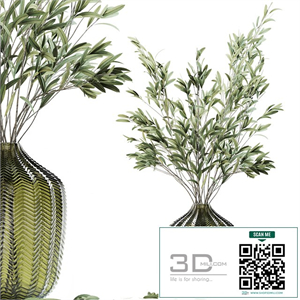
## Vase01: A Study in Form and Function
Vase01 isn't just a vessel; it's a *statement*. It's a culmination of design principles, material exploration, and a dedication to crafting an object that transcends its utilitarian purpose. This document explores the design process behind Vase01, delving into its *aesthetics*, *functionality*, and the *philosophical underpinnings* that shaped its creation.
### Part 1: Conceptualization and Inspiration
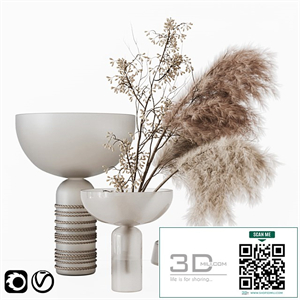
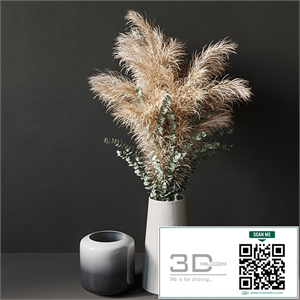
The genesis of Vase01 lies in a fascination with the *interplay between organic and geometric forms*. Many vases strive for a singular aesthetic – either purely organic, mimicking the natural world with flowing curves and irregular shapes, or rigidly geometric, adhering to precise lines and angles. Vase01, however, seeks a *harmonious synthesis* of these opposing elements. The initial sketches were driven by an exploration of *contrasting textures and volumes*, aiming to create a piece that feels both *natural and refined*.
*Inspiration* drew from several sources. The *subtle curves* of a riverbed informed the gentle swell of the vase's body. The *precise angles* of modernist architecture found expression in the crisp lines of its neck. The overall form strives for a sense of *equilibrium*, a balance between the gentle undulations and the sharp, defined edges. This balance is not simply visual; it's intended to create a *sense of quiet tension*, a subtle dynamism that captivates the eye. The *color palette*, initially envisioned in muted earth tones, reflects this desire for a balanced, understated elegance. Ultimately, the goal was to create a vase that feels both *timeless and contemporary*, capable of enriching any space without overpowering it.
This initial conceptual phase involved numerous *iterations and refinements*. Digital modeling played a crucial role, allowing for rapid prototyping and the exploration of different proportions and forms. The *feedback loop* between digital models and physical prototypes proved invaluable, allowing for adjustments based on tactile experience and visual assessment. This iterative process helped refine the *subtle nuances* of the design, ensuring a seamless transition between the organic and geometric elements.
### Part 2: Material Selection and Fabrication
The choice of *material* for Vase01 was a critical consideration. The design's inherent duality – the interplay between organic and geometric – demanded a material capable of expressing both aspects. Initially, several options were considered, including *ceramics*, *wood*, and *glass*. However, *polished concrete* ultimately emerged as the ideal candidate.
*Polished concrete* offered a unique combination of *strength and subtlety*. Its inherent texture, capable of being both smooth and raw, mirrored the design's aesthetic goals. The *process of polishing* allows for a fine-grained control over the surface finish, enabling the creation of a surface that is both *visually appealing and tactilely engaging*. The *subtle variations in color and texture* inherent in concrete add a layer of complexity and individuality to each piece, ensuring that no two vases are exactly alike. This inherent *uniqueness* contributes to the overall *artisan feel* of the design.
The *fabrication process* was meticulously planned to ensure the highest degree of precision and quality. A *complex mold* was created using advanced CAD/CAM techniques, ensuring the accurate reproduction of the design's intricate curves and angles. The *casting and curing* processes were carefully monitored to maintain consistent quality and to minimize the risk of imperfections. The *final polishing* required significant skill and patience, demanding numerous stages to achieve the desired level of smoothness and shine. The result is a vase that displays the *inherent beauty of concrete*, elevated to a level of refinement rarely associated with this often-overlooked material.
### Part 3: Functional Considerations and User Experience
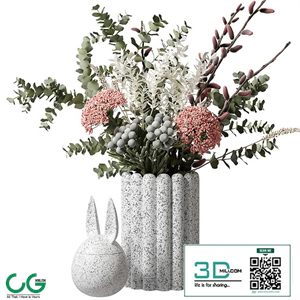
While Vase01 prioritizes aesthetic appeal, *functionality* remains a core consideration. The *vase's dimensions* are carefully calibrated to accommodate a variety of flower arrangements, from single stems to more elaborate bouquets. The *opening at the top* is designed to be wide enough for easy arrangement but narrow enough to prevent flowers from falling out. The *overall weight and stability* of the vase ensures that it remains upright and secure, even when filled with water and flowers. These *functional aspects* are not merely an afterthought but integral components of the design process.
The *user experience* was central to the design philosophy. The *smooth, polished surface* is both pleasing to the touch and easy to clean. The *weight and balance* of the vase make it comfortable to handle and reposition. The *overall sense of refinement and elegance* contributes to a positive and enjoyable interaction with the object. The vase is intended to be more than just a functional container; it's a *sensory experience*, engaging the visual, tactile, and even emotional senses. The goal is to create a piece that enhances its surrounding environment and inspires a feeling of calm and contemplation.
### Part 4: Sustainability and Ethical Considerations
The commitment to *sustainability* is an important aspect of the Vase01 design. The choice of *concrete* as the primary material reflects a commitment to using locally-sourced and readily available resources. Concrete, while often associated with large-scale construction, is a relatively *sustainable material* when produced responsibly. The *manufacturing process* has been optimized to minimize waste and maximize efficiency, contributing to a lower overall environmental impact.
Furthermore, the *durability* of concrete ensures a longer lifespan for the vase, reducing the need for frequent replacements. This *longevity* further contributes to its overall sustainability. The design also incorporates *ethical considerations*, prioritizing fair labor practices throughout the production process. The entire design process, from initial concept to final product, strives to minimize environmental impact and promote responsible manufacturing. This commitment to *sustainability and ethical production* reflects a holistic approach to design, recognizing the far-reaching consequences of every design decision.
### Part 5: Conclusion: A Legacy of Design
Vase01 represents more than a singular object; it's a testament to the power of *innovative design thinking*. It showcases the potential of seemingly unassuming materials like concrete, elevating them to a position of aesthetic prominence. The design's success lies in its *harmonious blend of contrasting elements*, resulting in a piece that is both visually striking and conceptually intriguing. It’s a design that aims to *transcend trends*, offering lasting appeal through its enduring elegance and subtle sophistication. This exploration of form, function, and materiality is intended to inspire further exploration into the potential of *sustainable and ethical design*, paving the way for future innovations that prioritize both beauty and responsibility. The legacy of Vase01 is not merely its aesthetic appeal but its embodiment of a mindful and responsible approach to design itself.