## Acer circinatum | Vine Maple 01: An Introduction to a Remarkable Species
Acer circinatum, commonly known as the *Vine Maple*, is a captivating species of maple native to the Pacific Northwest region of North America. This isn't your typical, stately maple; instead, it's a remarkably *versatile* and *adaptable* tree, shrub, or even vine, displaying an *unparalleled* range of forms and exhibiting a unique charm that sets it apart from its taller, more imposing relatives. This exploration delves into the fascinating world of *Acer circinatum*, exploring its morphology, ecology, cultural significance, and practical applications.
Part 1: Morphology and Identification
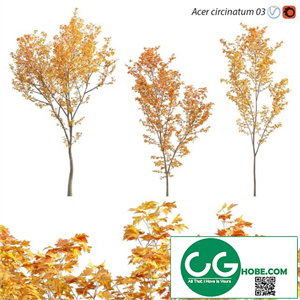
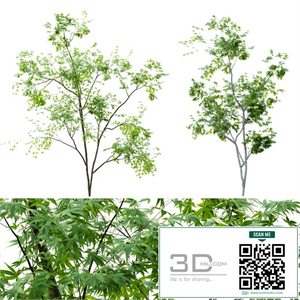
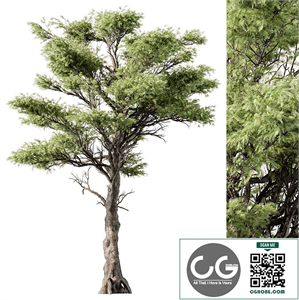
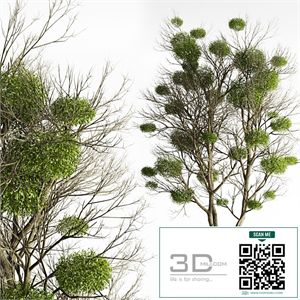
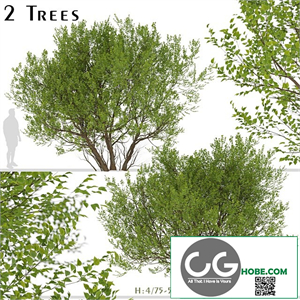
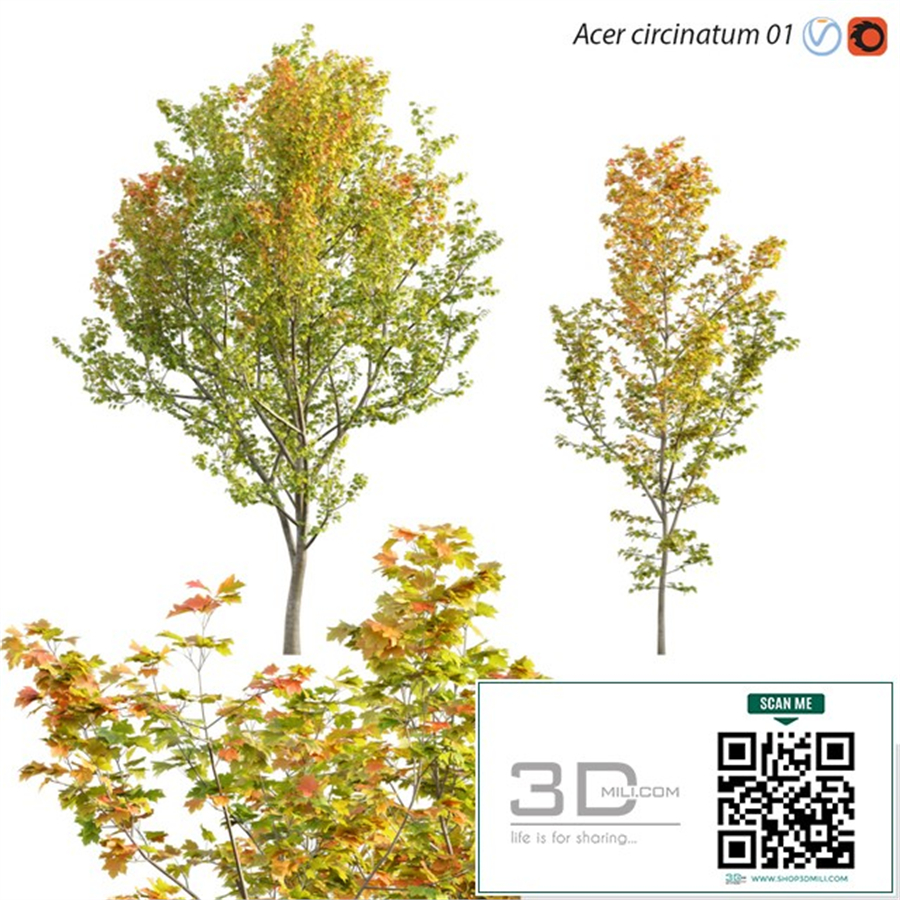
The *Vine Maple*'s most striking characteristic is its *remarkable plasticity*. Unlike many trees that adhere to a relatively fixed growth habit, *Acer circinatum* readily adapts its form to its environment. It can exist as a *small, spreading tree*, reaching heights of up to 15 meters (50 feet) under ideal conditions, or as a *dense, sprawling shrub* in more shaded or competitive environments. In particularly challenging locations, it may even take on a *vine-like* form, scrambling over other vegetation.
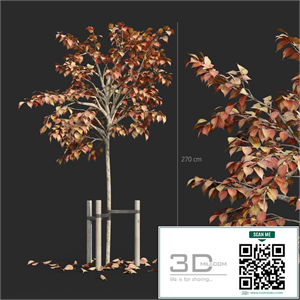
This adaptability is reflected in its *leaves*, which are typically *seven-lobed*, although variations in the number of lobes are common, sometimes ranging from five to nine. These *palmate leaves* are *thin* and *delicate*, with serrated edges, and boast a vibrant *bright green* color in the summer, transforming to stunning hues of *yellow*, *orange*, and *red* in autumn. This *brilliant fall foliage* is a significant attraction for many who appreciate the beauty of the species.
The *bark* of younger *Vine Maples* is typically smooth and gray-brown, often with noticeable *lenticels* (small pores). As the tree matures, the bark develops furrows and becomes darker, acquiring a more textured appearance. The *flowers* are small and inconspicuous, yellowish-green in color and arranged in drooping racemes. They appear in spring, preceding the new leaf growth. The *fruit* consists of paired *samaras* (winged seeds) which are dispersed by the wind. These samaras exhibit a distinctive *obtuse angle* between the wings, a key feature for identification.
Distinguishing *Acer circinatum* from other maple species is usually straightforward due to its unique combination of features, including the *palmate leaves with typically seven lobes*, the *plastic growth habit*, and the *characteristic samara angle*. However, careful observation is essential for accurate identification, especially when dealing with juvenile specimens or those exhibiting unusual growth forms due to environmental conditions.
Part 2: Ecology and Habitat
*Acer circinatum* thrives in a variety of habitats within its native range, which extends from southern British Columbia and Alberta, Canada, southward along the Pacific Coast to central California. It is a *characteristic species* of riparian zones and moist forests, often found along streams, rivers, and in shady, damp areas. While it tolerates a range of soil types, it generally prefers *well-drained, moist soils* rich in organic matter.
The *Vine Maple's* ecological role is significant. Its dense foliage provides *cover and habitat* for a wide array of wildlife, including birds, small mammals, and invertebrates. The tree’s *shallow root system* helps prevent soil erosion, particularly along stream banks. Furthermore, its *rapid growth rate* contributes to the overall productivity of the ecosystem. It is considered a *pioneer species*, often colonizing disturbed areas and playing a vital role in forest succession.
The *Vine Maple* demonstrates a remarkable level of *tolerance to shade*. This adaptability allows it to thrive in the understory of denser forests, where light is limited. However, it also benefits from increased sunlight, particularly when young, leading to faster growth and more vigorous development. The species' ability to thrive in a wide range of light conditions significantly contributes to its wide distribution and ecological success.
The *Vine Maple's* *interaction with other species* is complex and multifaceted. It can form *symbiotic relationships* with mycorrhizal fungi, enhancing its nutrient uptake. It also competes with other plants for resources like water and nutrients, particularly in densely vegetated areas. Understanding these interactions is crucial for comprehending the *Vine Maple*'s ecological role within the Pacific Northwest ecosystems.
Part 3: Cultural Significance and Traditional Uses
*Acer circinatum* holds a *significant place* in the traditional cultures of the Indigenous peoples of the Pacific Northwest. Different First Nations groups have utilized the tree for a variety of purposes throughout history. The *wood*, being relatively pliable and strong, has been used in crafting *tools*, *weapons*, and *household items*. The *inner bark* has been used for *cordage* and *weaving*. Its *sap* has been utilized for making *sugar* and *syrup*. Beyond practical uses, the *Vine Maple* also holds *spiritual and symbolic significance* within many Indigenous cultures.
In contemporary society, *Acer circinatum* is valued for its *aesthetic qualities*. Its *vibrant fall foliage* adds to the scenic beauty of the region, drawing tourists and outdoor enthusiasts alike. The *tree's adaptable form* also makes it a desirable species for landscaping and horticulture, finding applications in various garden settings. Its ability to thrive in shaded areas makes it particularly suitable for urban environments, helping contribute to creating a more naturally vibrant urban landscape.
The increasing appreciation for the *Vine Maple*'s beauty and ecological importance is leading to efforts aimed at its conservation. Protecting the *Vine Maple's* habitats, particularly riparian zones, is crucial for ensuring the long-term survival of this remarkable species. Education and outreach initiatives aimed at raising awareness of the *Vine Maple's* ecological significance and cultural value are critical components of these conservation efforts.
Part 4: Horticultural Uses and Future Research
The *Vine Maple*'s adaptability makes it an increasingly popular choice among horticulturists. Its tolerance to shade, its beautiful foliage, and its relatively small size make it suitable for a range of garden settings, from large woodlands to small urban gardens. Cultivars are being developed to select for specific traits, such as *enhanced fall color*, *improved disease resistance*, and *more compact growth habits*.
However, despite its wide distribution and relatively common occurrence, there is still a *significant amount of research* to be conducted on this species. Areas requiring further study include a more detailed understanding of its genetic diversity, its responses to climate change, and its potential for use in restoration ecology projects. Further research on the *Vine Maple*'s potential applications in areas like *phytoremediation* (using plants to remove pollutants from the environment) is also needed.
As increasing pressures from *climate change*, *habitat loss*, and *invasive species* threaten the *Vine Maple*'s survival, further research is crucial for the implementation of effective conservation strategies. A deep understanding of this species' biology, ecology, and genetics will inform the development of effective management techniques and ensure the *preservation of this unique and beautiful tree* for generations to come. The continued study of *Acer circinatum* is therefore not only of scientific interest but also holds critical importance for the ecological health and cultural heritage of the Pacific Northwest.