## The Enduring Allure of the *Bonsai Tree*: A Journey into Miniature Worlds
The art of *bonsai*, far from being a mere horticultural hobby, represents a profound connection between human creativity and the natural world. For centuries, practitioners have meticulously shaped and nurtured miniature trees, transforming them into living works of art that capture the essence of their full-sized counterparts in breathtaking detail. This exploration delves into the multifaceted world of *bonsai*, examining its history, techniques, and the profound philosophical implications embedded within its practice.
Part 1: A History Rooted in Ancient Traditions
The origins of *bonsai* are deeply intertwined with the ancient Chinese practice of *penjing*, the art of creating miniature landscapes in containers. While the exact origins remain somewhat shrouded in mystery, *penjing's* influence is undeniable. These early miniature landscapes, often featuring trees alongside rocks and other elements, were seen as microcosms of nature, reflecting the larger world within a contained space. They were highly valued for their aesthetic beauty and spiritual significance, often displayed in scholarly settings and temples.
The art of *penjing* traveled eastward, eventually taking root in Japan sometime during the Kamakura period (1185-1333). It was here that *penjing* evolved into the distinctive style we recognize today as *bonsai*. While maintaining the emphasis on miniature representation, the Japanese focused more intensely on the individual tree, refining techniques to achieve greater realism and aesthetic sophistication. The emphasis shifted from the broader landscape to the detailed representation of a single tree, perfectly capturing its form and spirit.
Part 2: The Art of Shaping: Techniques and Principles
Creating a *bonsai* is not simply a matter of planting a small tree in a pot. It's a continuous process of careful cultivation and shaping, requiring patience, skill, and a deep understanding of the tree's natural growth patterns. Several crucial techniques are employed to achieve the desired aesthetic:
* *Pruning*: This is fundamental to *bonsai* cultivation. Regular pruning controls the size and shape of the tree, removing unwanted branches and encouraging the development of a strong, well-balanced structure. Different pruning techniques are employed depending on the desired style and the species of the tree. Precise cuts are vital to avoid damaging the tree and to promote healthy growth.
* *Wiring*: This technique involves carefully wrapping thin wires around branches to guide their growth and shape them into the desired form. The wire is strategically positioned to bend and curve the branches, creating elegant curves and angles. It's a delicate process that requires considerable skill and patience, as improper wiring can damage the tree. The wires are eventually removed once the branches have held their new shape.
* *Repotting*: Periodic repotting is crucial for the health and longevity of a *bonsai*. It allows for the renewal of the soil, the pruning of roots, and the adjustment of the tree's position within the pot. Repotting is a delicate process, requiring care to avoid damaging the delicate root system.
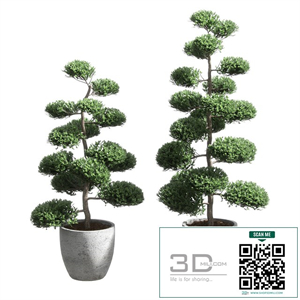
* *Styling*: The style of a *bonsai* is crucial to its overall aesthetic appeal. Numerous styles exist, each with its own set of characteristics and principles. Some popular styles include the *formal upright*, *informal upright*, *cascade*, and *semi-cascade*. Choosing the appropriate style for a particular tree depends on its inherent characteristics and the artist's vision.
Part 3: Beyond Aesthetics: The Philosophical Significance of Bonsai
The art of *bonsai* transcends mere aesthetics; it embodies a profound philosophical and spiritual dimension. The act of cultivating a *bonsai* fosters patience, discipline, and a deep appreciation for the natural world. It's a process that demands mindfulness and a connection to the rhythms of nature.
The *bonsai* itself becomes a reflection of the artist's journey, a living testament to their dedication and perseverance. Each carefully sculpted branch, each meticulously positioned leaf, represents a moment of contemplation and interaction with the living organism. The process encourages a profound understanding of growth, decay, and the cyclical nature of life. The *bonsai* becomes a microcosm of existence, reflecting both the fragility and resilience of life itself.
Part 4: Choosing Your *Bonsai*: Species and Care
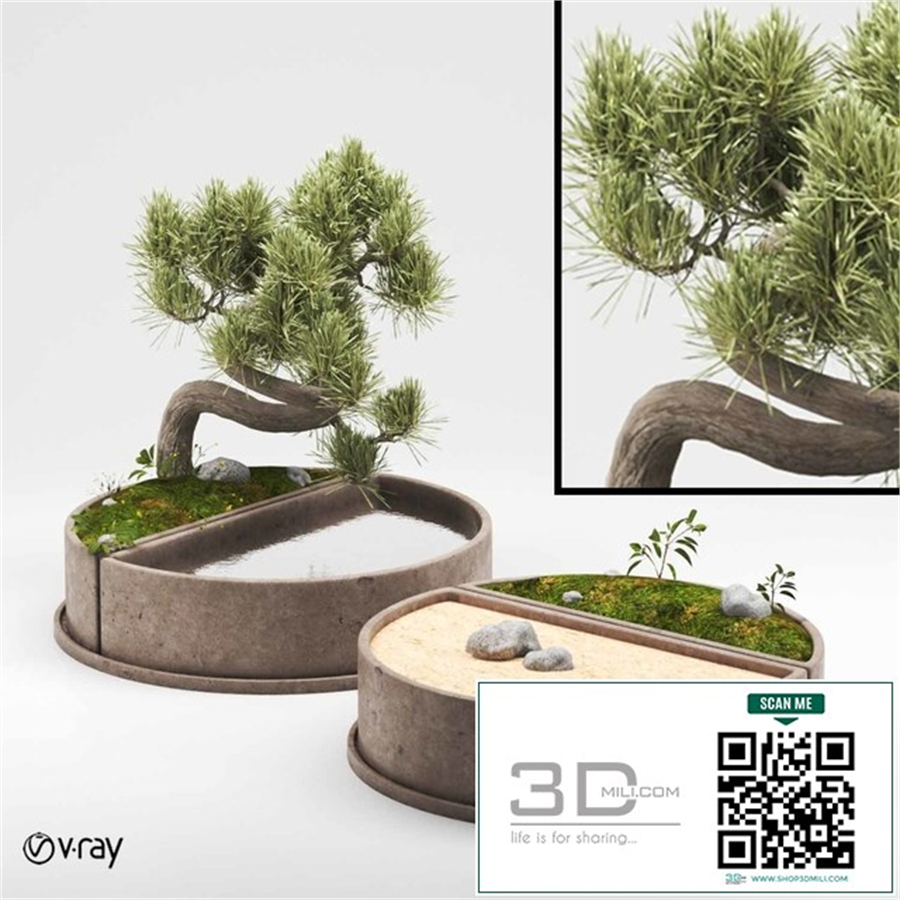
The world of *bonsai* offers a vast array of tree species, each with its own unique characteristics and requirements. Popular choices include *Japanese maples*, *jades*, *ficus*, and *pines*. Selecting a species depends on your experience level and the resources available to you.
Caring for a *bonsai* requires consistent attention and a commitment to understanding its specific needs. This includes providing adequate sunlight, water, and fertilizer. The soil type, pot size, and overall environment play crucial roles in the tree's health and longevity. Regular inspections are necessary to identify and address any potential problems, ensuring the *bonsai's* continued well-being.
Part 5: The *Bonsai* Journey: A Lifelong Pursuit
The art of *bonsai* is not a destination but a journey. It’s a lifelong pursuit that demands constant learning, adaptation, and a willingness to embrace the challenges that come with nurturing a living work of art. Every *bonsai* is unique, with its own personality and quirks, requiring individual attention and care. The relationship between the artist and the tree is dynamic and ever-evolving, reflecting the constant interplay between nature and human intervention.
As you embark on your own *bonsai* journey, remember that patience and persistence are key. Embrace the challenges, celebrate the successes, and savor the profound connection that develops between you and your miniature world. The *bonsai* you cultivate will become more than just a plant; it will become a reflection of your own personal growth and a testament to the enduring beauty of the natural world, captured and refined through the art of *bonsai*. The time, effort, and dedication invested will reward you with not only a beautiful object but also a deep and enriching experience. The *bonsai* is a constant reminder of the beauty of patience, the power of perseverance, and the profound connection between humanity and the natural world.